You've seen the ads. Pristine lakes, soaring mountains, and empty beaches that look too good to be true. Here's the thing about New Zealand tourism campaigns – they're not lying. The landscapes are that stunning. But a glossy 30-second video doesn't tell you how to actually navigate the place, where the crowds hide, or how to plan a trip that doesn't feel like you're just ticking off a checklist. That's where most guides fall short. They repeat the same top 10 lists. I've spent months driving both islands, and the magic often lies in the detours, the local cafes, and understanding the rhythm of the seasons. This isn't just about where to go; it's about how to experience New Zealand on your terms, with all the practical nitty-gritty the brochures leave out.
Your Quick Guide to This Article
When is the Best Time to Visit New Zealand?
Forget just "summer" or "winter." The best time depends entirely on what you want to do and, crucially, what kind of crowd you can stomach. Peak season (December to February) has fantastic weather, but it also has fantastic numbers of people. Queenstown feels like a festival, and accommodation prices skyrocket.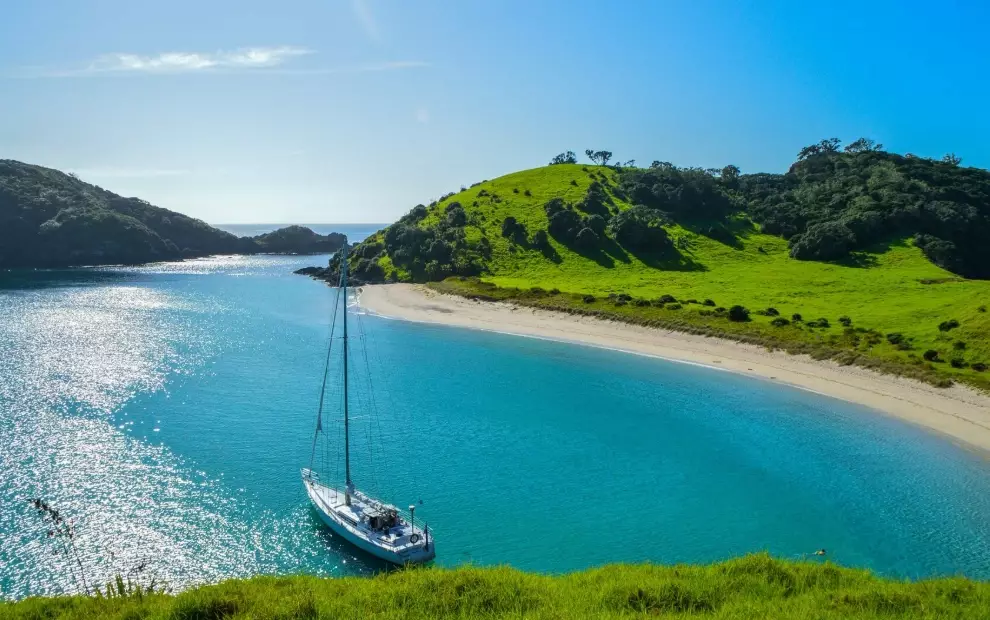
My personal sweet spot? Late February through April. The summer crowds have thinned, the weather is still largely settled and warm, the water is at its warmest for swimming, and you get those stunning autumn colours in places like Arrowtown and Central Otago. It's a photographer's dream.
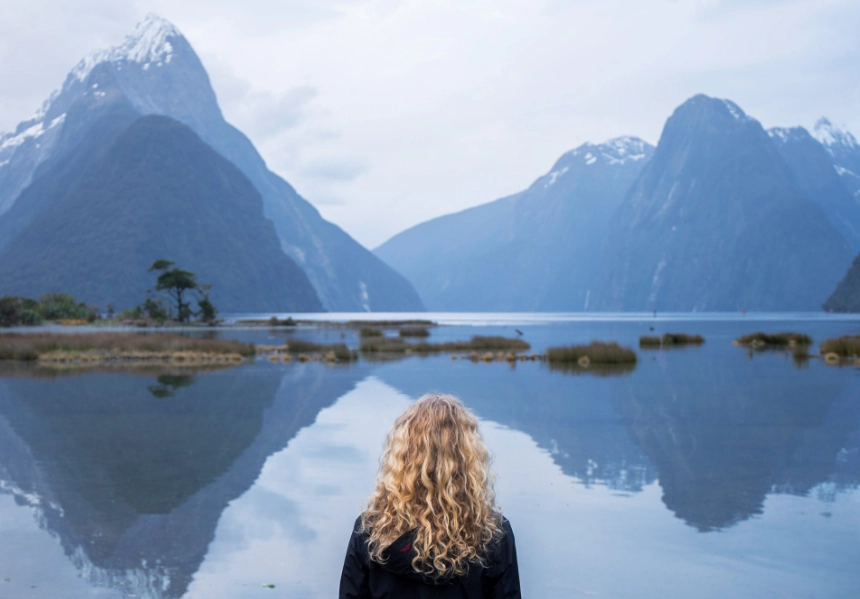
A Local's Tip on Seasons: Don't write off winter (June-August). Yes, some hiking tracks close, but the Southern Alps are breathtaking under snow. The ski fields in Queenstown and Wanaka are world-class, and you can have places like Milford Sound almost to yourself – just pack for cold, wet weather. Spring (September-November) is unpredictable but beautiful, with newborn lambs everywhere and explosive lupin blooms along the South Island's canals.
How to Plan Your New Zealand Itinerary
This is the biggest puzzle for most visitors. The country looks small on a map, but the roads are winding and slow. Trying to cram both islands into 10 days is the #1 mistake I see. You'll spend more time in the car than anywhere else.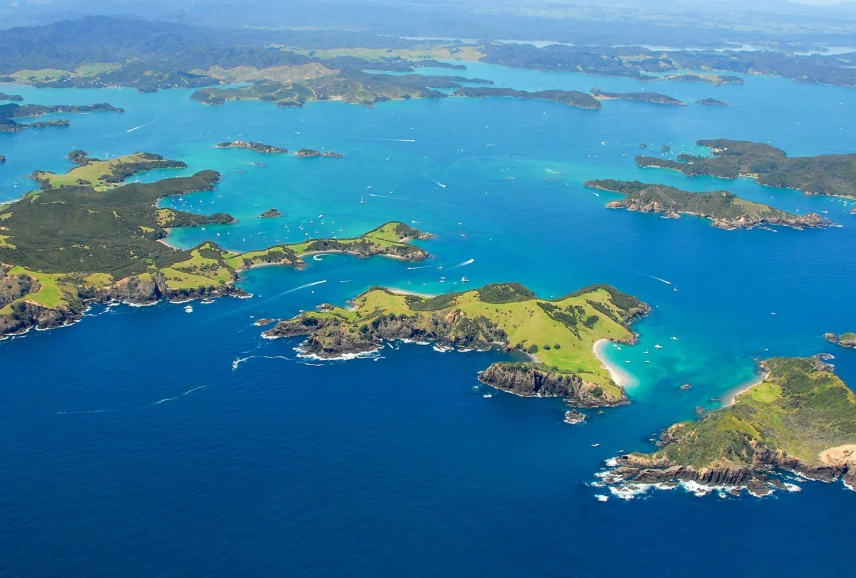
For a first trip, I strongly recommend focusing on one island. If you have 14 days or more, you can do a highlights loop of both, but you need to be strategic.
A Sample 14-Day South & North Island Highlights Loop
This is a fast-paced but achievable route for those who want a taste of everything.
| Day | Location & Focus | Key Activity / Travel Note |
|---|---|---|
| 1-3 | Auckland & Bay of Islands | Arrive, recover. Day trip to Waiheke Island for wine. Drive north to Paihia for dolphin watching and history at Waitangi Treaty Grounds. |
| 4 | Fly to Queenstown | Internal flight saves time. Pick up rental car in Queenstown. Evening: Fergburger (yes, it's worth the hype). |
| 5-6 | Queenstown & Wanaka | Adrenaline activities or scenic gondola. Drive to Wanaka (1hr). See #ThatWanakaTree. Hike Roy's Peak (hard) or Diamond Lake (easier). |
| 7-8 | Drive to Franz Josef | Scenic drive via Haast Pass. Book a heli-hike on the glacier (weather-dependent) or a serene kayak on Lake Mapourika. |
| 9-10 | Christchurch & Kaikōura | Drive east to Christchurch. Next day, head north to Kaikōura for whale watching (book ahead). |
| 11 | Interislander Ferry to Wellington | A 3.5-hour scenic cruise across Cook Strait. Book ferry for car in advance. |
| 12-13 | Wellington & Tongariro | Explore the capital's cafes and Te Papa museum. Drive to Tongariro National Park. |
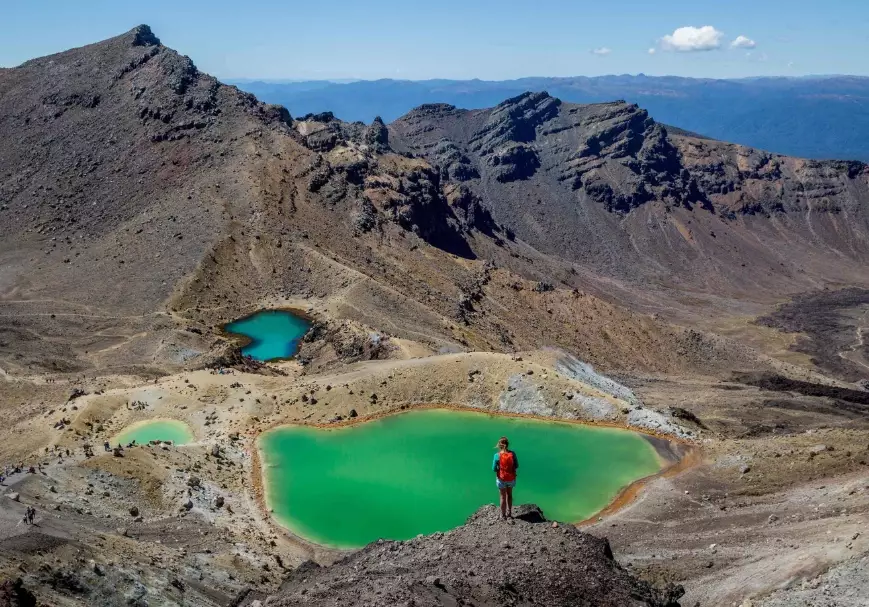
| 14 | Tongariro Alpine Crossing & Depart | Hike the epic one-day track (shuttles required). Drive to Auckland (4.5hrs) for evening flight. |
See how packed that is? If you prefer a slower pace, cut either the glaciers/Kaikōura leg or the Tongariro leg and add those days to Queenstown/Wanaka or the Coromandel (which I'll get to).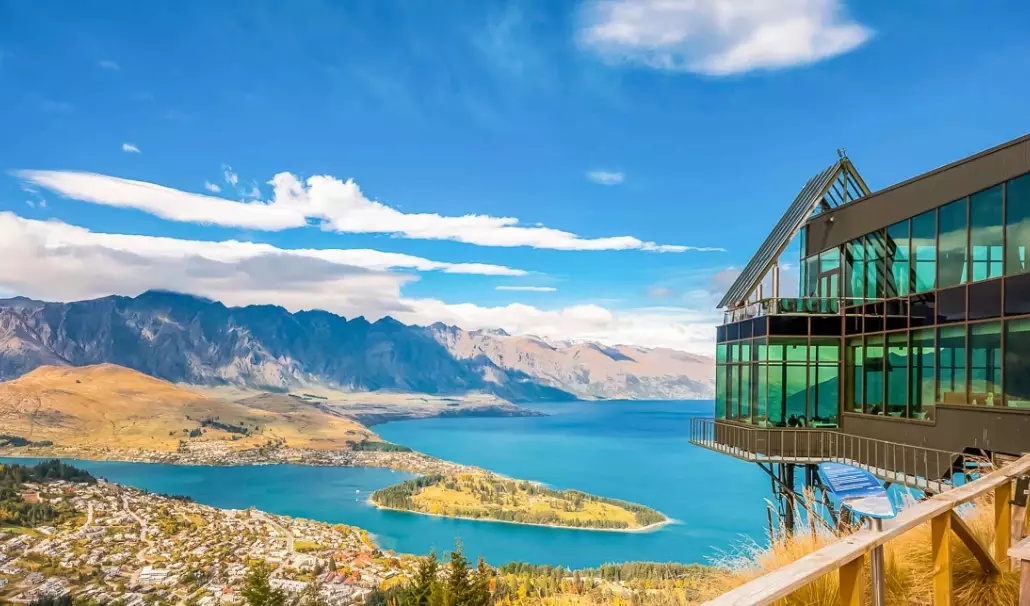
Going Beyond the Tourist Trail
Rotorua's geothermal parks are incredible, but the smell of sulphur can be overwhelming. Hobbiton is a must for fans, but it's a structured tour. Where do you find the quieter magic?
The Coromandel Peninsula: A short drive from Auckland, but a world away. Hot Water Beach is famous (dig your own spa pool at low tide), but go a bit further to New Chums Beach, often ranked among the world's best. The walk in takes 30 minutes, keeping the crowds light.
Abel Tasman by Sea Kayak: Everyone does the walk. Renting a kayak for a day or joining an overnight guided trip lets you access secluded beaches and see the park from a completely different, peaceful perspective. You're almost guaranteed to see seals.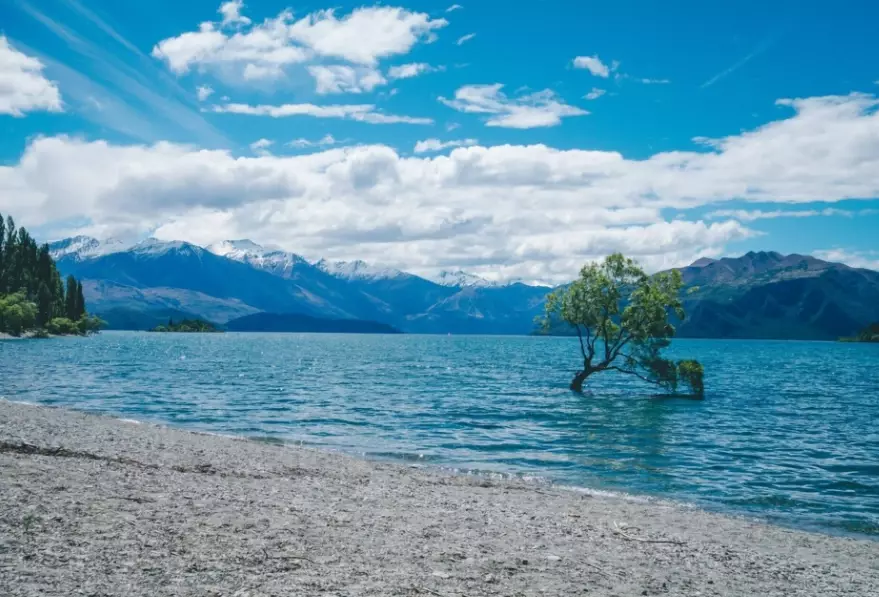
Central Otago's Backroads: Instead of just driving from Queenstown to Wanaka via the main highway (SH6), take the Crown Range Road (check for ice in winter) and then detour through the Carrick Winery region near Bannockburn. Small cellar doors, stunning arid landscapes, and zero tour buses.
Catlins Coast (Southland): This is the real hidden gem. At the bottom of the South Island, it's wild, remote, and requires time. You'll find waterfalls right by the road (Purakaunui Falls), a petrified forest, and the most reliable place to see yellow-eyed penguins come ashore at dusk – Nugget Point. Stay in a cottage in Owaka. You'll feel like you have the country to yourself.
The Logistics: Eating, Sleeping & Getting Around
This is where your trip is made or broken.
Getting Around: The Car vs. Campervan Debate
You need your own wheels. Public transport won't cut it for the places you want to see.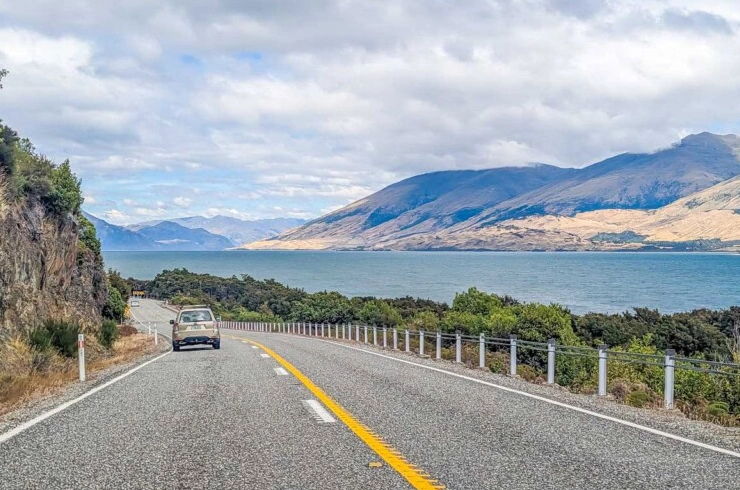
Rental Car & Motels/Hotels: More flexible for parking, uses less fuel, and you can stay in a wider variety of places. Booking.com and Airbnb work well. Look for motels with kitchenettes to save on meal costs.
Campervan: The iconic Kiwi experience. Offers ultimate freedom and saves on accommodation. But. They are expensive to rent, thirsty on fuel, a pain to park in towns, and you must stay in designated holiday parks or freedom camping spots (with a self-contained vehicle only). Freedom camping rules are strict – dumping waste illegally carries huge fines. Be honest with yourself: do you really want to deal with emptying a toilet cassette every few days?
Where to Stay: A Few Standouts
Forget generic chains. Seek out places with character.
- The Sherwood, Queenstown: An eco-focused design hotel with an amazing restaurant sourcing from its own garden. It's a bit out of the town centre, which is a good thing. Rooms from NZ$250/night.
- Fossil Bay Lodge, Waiheke Island: Stunning views, modern, and peaceful. A perfect splurge for a night or two after landing. From NZ$400/night.
- Old Bones Backpackers, Dunedin: Don't be put off by "backpackers." This is a beautifully restored villa with a mix of dorms and private rooms. Impeccably clean, friendly, and has a great vibe. Private room around NZ$90/night.
Eating Well (Without Going Broke)
New Zealand food has evolved massively. It's not just lamb and pavlova.
Must-Try: A traditional Māori Hāngī (earth oven feast), best experienced at a cultural performance like Tamaki Māori Village in Rotorua. Fresh Bluff oysters when in season (March-August). A proper meat pie from a local bakery – look for award-winning ones.
Save Money: Cook your own breakfasts and lunches. Hit the local supermarket (Countdown or New World) for amazing local cheese, fruit, and wine. Dinner is where to spend. Look for early-bird specials in cities.
My Favourite Unassuming Spot: Fleming's Creamery just outside Ashburton (South Island). It looks like a simple roadside stop. They make ice cream from their own dairy herd. The passionfruit flavour is life-changing. Address: 409 Wills Street, Allenton, Ashburton. Open 9 am - 5 pm daily.


Comments
Join the discussion