Jump to What Matters
Let's cut to the chase. A tourist visa for Fiji costs between FJD 200 and FJD 400, depending on your nationality and how you apply. That's roughly USD 90 to USD 180. But here's the thing—most travelers from countries like the US, UK, Canada, Australia, and the EU don't even need a visa for stays up to 4 months. You get a visa on arrival for free. I know, it sounds too good to be true, but it's the official rule from the Fiji Immigration Department. If you're from a visa-required country, though, the fee is where it gets interesting. I've helped dozens of friends navigate this, and the biggest mistake I see is people overpaying by using third-party services when they could do it themselves cheaply.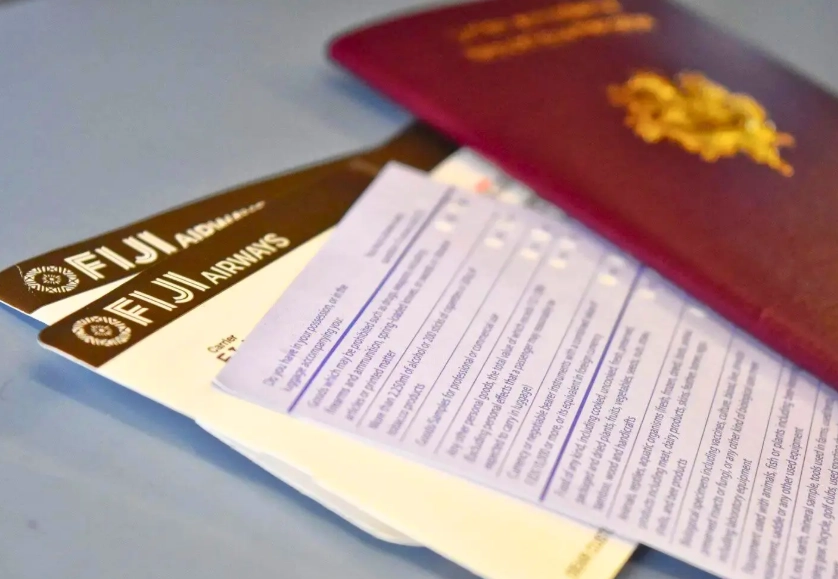
Fiji Tourist Visa Cost Breakdown
The core cost for a Fiji tourist visa is straightforward, but it varies. For nationals of countries that require a visa in advance, the standard fee is FJD 200 (about USD 90) for a single-entry visa valid up to 3 months. If you need multiple entries, it jumps to FJD 400 (around USD 180). Now, here's a detail many blogs miss: these fees are for the visa application itself, paid to the Fiji government. But if you apply through an embassy or consulate, there might be additional service charges. I once applied from Japan and paid an extra ¥3,000 as a handling fee—something not listed on the official site.
For visa-exempt travelers, it's free on arrival. But you still need to meet certain conditions: a passport valid for at least 6 months, proof of onward travel, and sufficient funds (around FJD 1,000 per person per week). I've seen tourists get tripped up by the funds part; they assume credit cards are enough, but immigration officers sometimes ask for cash or bank statements.
Let's break it down in a table for clarity:
| Visa Type | Cost (FJD) | Cost (USD approx.) | Who It Applies To | Notes |
|---|---|---|---|---|
| Visa on Arrival | Free | Free | Citizens of visa-exempt countries (e.g., US, UK, AU) | Valid for up to 4 months; must show proof of funds and return ticket |
| Single-Entry Tourist Visa | 200 | 90 | Nationals of visa-required countries (e.g., India, China) | Applied in advance; processing takes 5-10 working days |
| Multiple-Entry Tourist Visa | 400 | 180 | For frequent travelers to Fiji | Allows multiple entries within validity period; good for business trips |
| Visa Extension | 200 | 90 | If you want to stay longer | Applied within Fiji; requires valid reason and additional documents |
Hidden costs? Yeah, they exist. If you use a visa agency, they might charge an extra USD 50 to USD 100. I'd avoid that unless you're really short on time. Also, consider courier fees for sending documents if applying by post. From my experience, applying online through the Fiji Immigration e-Visa system is the cheapest and fastest, but it's only available for certain nationalities. Check the official Fiji Immigration website for the latest list.
Step-by-Step Application Process
Applying for a Fiji tourist visa isn't rocket science, but missing a step can delay your trip. Here's how to do it right, based on my own application from Canada last year.
First, figure out if you need a visa. Use the Fiji Immigration Department's online tool—it's updated regularly. If you do need one, gather your documents. I'll cover that in the next section.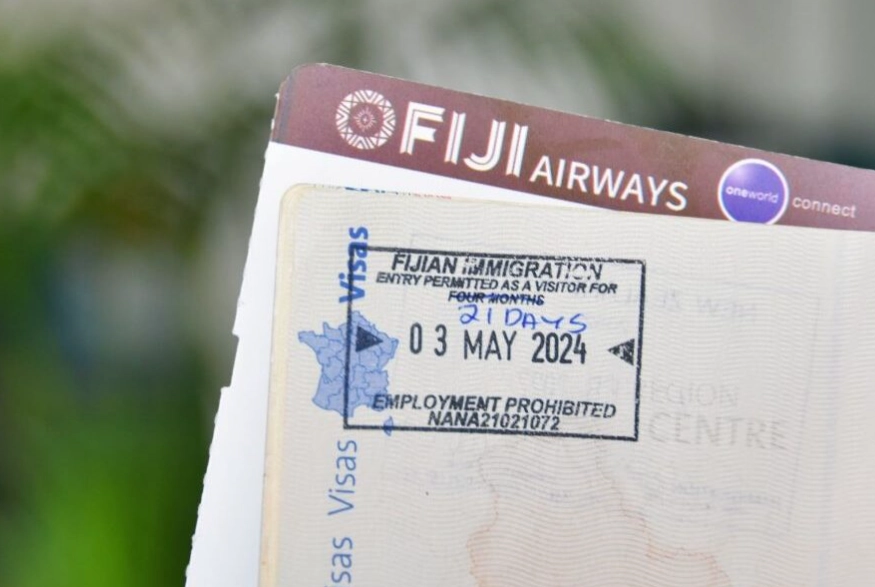
Then, choose your application method:
- Online (e-Visa): Available for select countries. Go to the Fiji e-Visa portal, fill the form, upload scans, and pay online. You'll get an approval via email in about 5 days. Easy peasy.
- In-person at Embassy: Find the nearest Fiji embassy or consulate. Book an appointment, submit documents, and pay fees. This can take longer due to travel time.
- By Mail: Send your application package to the embassy. Include a prepaid return envelope. I don't recommend this unless you have no other option—it's slow and risky if documents get lost.
The form itself is straightforward. But here's a pro tip: when stating your purpose of visit, be specific. Don't just write "tourism." Say "10-day vacation to explore Nadi and the Mamanuca Islands." Immigration officers appreciate details; it shows you're a genuine traveler.
Payment is usually by bank draft or credit card. If paying online, ensure your card allows international transactions. I once had my card declined because of fraud alerts—call your bank beforehand.
Common Mistakes to Avoid
People mess up on small things. Photo requirements: it must be recent, passport-sized, with a white background. I've seen applications rejected because the photo was too old or had shadows. Also, ensure your passport has blank pages. Fiji requires at least one blank page for the stamp.
Another gotcha: if you're traveling with kids, they need their own visas, even infants. Include birth certificates and consent letters if one parent isn't traveling. It's a hassle, but better than being denied boarding.
Required Documents for Fiji Visa
You'll need these documents ready. I keep a checklist on my phone for every visa application.
- Passport: Valid for at least 6 months beyond your stay. Copy of the bio page.
- Completed Application Form: Download from the Fiji Immigration site. Sign it—sounds obvious, but I've forgotten before.
- Passport Photos: Two recent ones, 45mm x 35mm, white background.
- Proof of Onward Travel: Flight itinerary showing entry and exit from Fiji. A booked ticket is best, but a reservation from a site like Expedia can work if it's confirmed.
- Proof of Funds: Bank statements for the last 3 months, showing a balance of at least FJD 1,000 per week. If someone is sponsoring you, include a letter and their bank statements.
- Accommodation Details: Hotel bookings or an invitation letter from a host in Fiji. For my trip, I used Airbnb and printed the confirmation.
- Travel Insurance: Not always mandatory, but highly recommended. It covers medical emergencies—Fiji's healthcare can be expensive for tourists.
For business visas, add a letter from your employer. If visiting family, include an invitation letter with their contact info. Double-check everything. I once submitted an old bank statement and had to redo the application, wasting a week.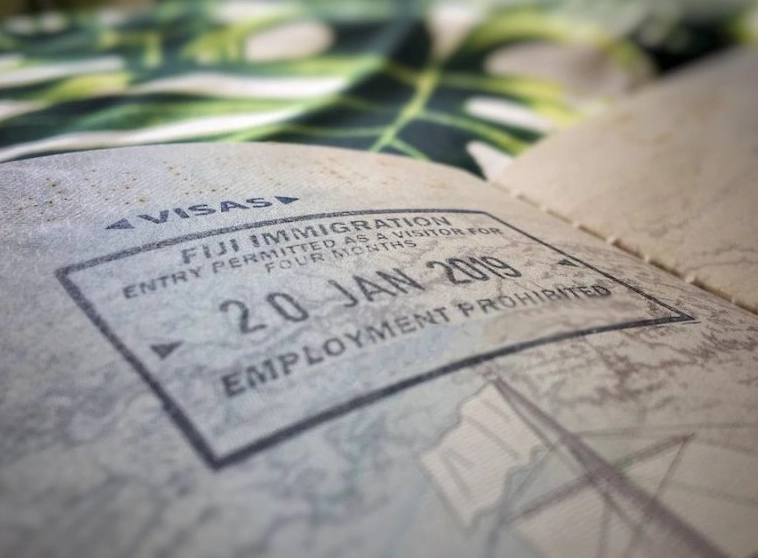
Insider Note: The Fiji Immigration Department is strict on document authenticity. Don't fake anything—they do spot checks, and getting caught means a ban. I've heard stories of travelers being turned away for dubious bank statements.
Processing Time and Money-Saving Tips
Processing time for a Fiji tourist visa is typically 5 to 10 working days if applied in advance. For e-Visas, it can be as fast as 3 days. But during peak seasons like December holidays, add a buffer. I applied in November and got it in 7 days, but a friend who applied in December took 12 days.
To save money:
- Apply Directly: Skip agencies. The official fee is all you pay if you do it yourself.
- Use e-Visa if Available: It's cheaper and faster—no courier or embassy visit costs.
- Plan Ahead: Last-minute applications might require expedited processing, which costs extra. Some embassies charge a rush fee of up to FJD 100.
- Check for Fee Waivers: Certain groups, like diplomats or children under 12, might get reduced fees. Always verify on the official site.
Also, consider your travel dates. If you're visa-exempt, you can just show up, but ensure your passport is valid. I met a traveler who had to pay for an emergency passport renewal because theirs expired in 5 months—Fiji requires 6 months validity.
For extensions, apply at the Immigration office in Suva or Nadi at least a week before your visa expires. The fee is FJD 200, and you'll need a good reason, like medical issues or unexpected travel delays. From experience, they're lenient if you have documentation.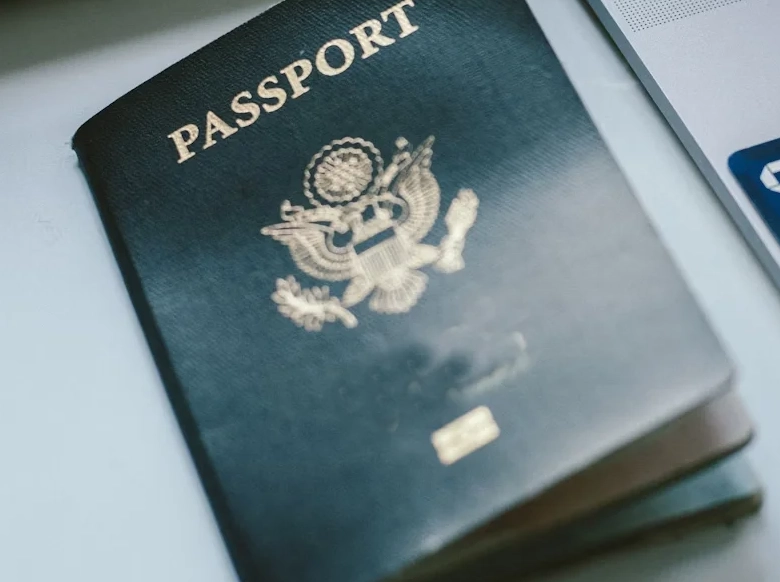
Common Questions Answered
Wrapping up, the cost of a Fiji tourist visa is more than just a fee—it's about planning smart. Whether you're visa-exempt or need to apply, focus on the details: documents, timing, and hidden costs. Use official sources like the Fiji Immigration Department website for updates, as rules can change. I've traveled to Fiji five times, and each trip taught me something new about visas. Start early, double-check everything, and you'll be sipping kava on the beach without a worry.

Comments
Join the discussion