Let's cut straight to it. If your idea of a perfect trip involves following your nose down a bustling alley, deciphering a menu you can't read, and tasting flavors that rewire your brain, then you're already dreaming of the Asian cuisine countries. This isn't just about eating; it's about immersive travel where food is the primary language, the main attraction, and the deepest connection to culture. Forget the generic top 10 lists. We're mapping a practical, sensory-driven pilgrimage to the heartlands of flavor, giving you the exact details—addresses, prices, can't-miss dishes—to turn that dream into an itinerary. I've spent over a decade chasing these tastes, and the biggest mistake I see? Travelers treating famous food streets like checklists, missing the quieter, more profound meals just a few blocks away.
Your Quick Bite-Sized Guide
The Core Pilgrimage Route: Five Unmissable Food Nations
Think of this as a choose-your-own-adventure menu. You can't go wrong, but each country offers a distinct flavor profile and dining ritual.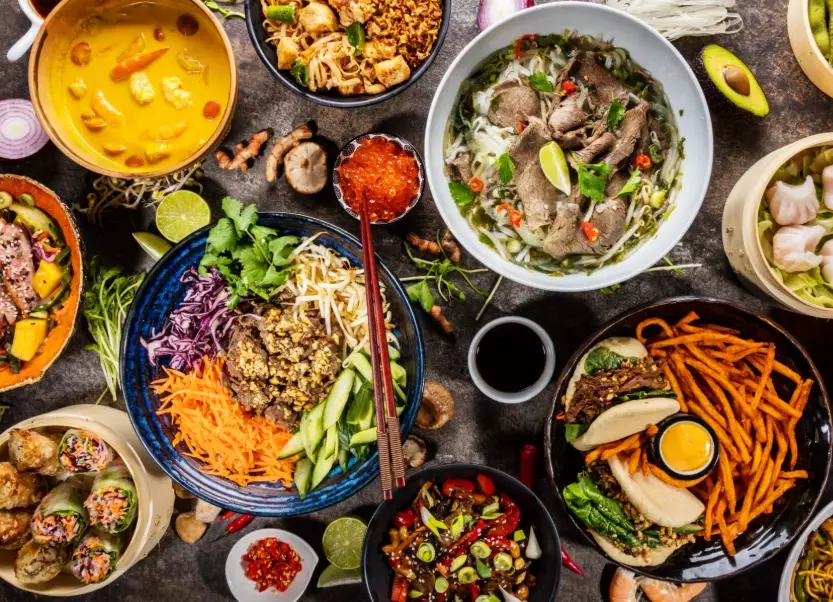
1. Thailand: The Symphony of Street Food
Thailand is culinary bootcamp for the senses. Balance is everything: sweet, sour, salty, spicy, creamy. Bangkok's Yaowarat (Chinatown) and the Michelin-recognized street food of Jay Fai's crab omelette are legendary, but the crowds are too. My non-consensus take? For a more authentic, less frantic experience, head to a local neighborhood market like Or Tor Kor Market near Chatuchak. It's clean, organized, and the quality is outstanding.
2. Japan: The Precision of Perfection
From the $300 omakase sushi counter to the $8 ramen bowl, Japan treats every meal with reverence. Tokyo's Tsukiji Outer Market is a morning ritual, but for sushi, skip the tourist-packed inner market remnants. Dive into the backstreets of Ginza or visit a standing sushi bar in Shinjuku. In Kyoto, kaiseki is the ultimate expression of seasonality, but it's pricey. A fantastic and more accessible alternative is obanzai—home-style cooking served in small, traditional restaurants.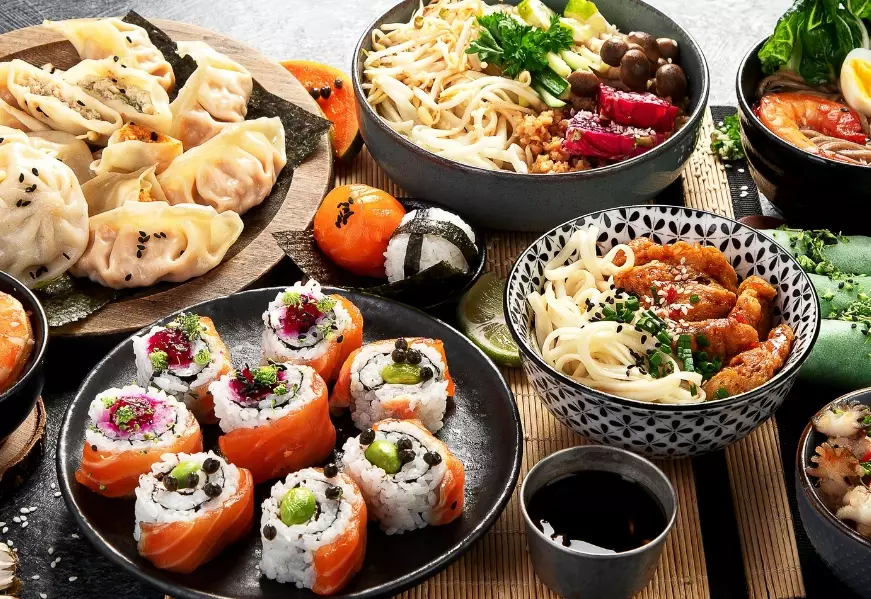
3. Vietnam: The Art of the Fresh and Fragrant
Vietnamese food is a masterclass in herbs and texture. Hanoi's Old Quarter is a maze of culinary treasures. For pho, Pho Thin Lo Duc (13 Lo Duc, Hai Ba Trung) is an institution, serving a unique stir-fried beef version for about 60,000 VND ($2.50). In Hoi An, the real magic isn't just cao lau; it's taking a cooking class that starts at the morning market. You'll learn that the water from the local Ba Le well genuinely makes the noodles different—it's not a myth.
4. India: The Continent of Spices
Calling it "Indian food" is like calling European food "European." It's vast. Up north, the rich curries and breads of Delhi's Paranthe Wali Gali contrast sharply with the lighter, coconut-based dishes of Kerala in the south. A major, rarely mentioned pitfall? Ordering everything "medium spicy." Spice levels are integral to a dish's identity. A "medium" butter chicken is an abomination. Embrace the local heat level, have lassi (yogurt drink) on standby, and your palate will adjust.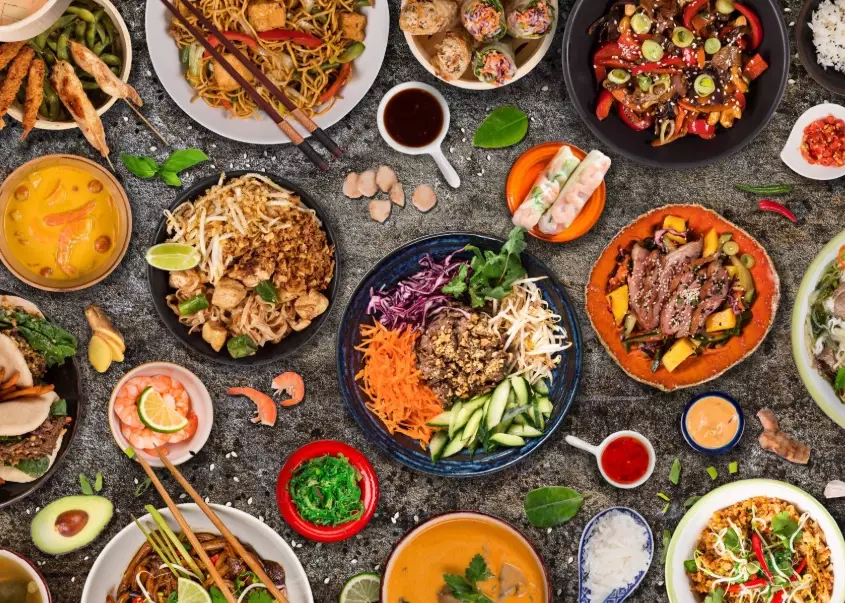
5. China: The Empire of Regional Cuisine
Sichuan (numbingly spicy), Cantonese (delicate and steamed), Shanghainese (sweet and braised)—they're different worlds. In Chengdu, skip the fancy places for a local hotpot joint like Chuan Jiang Hao Zi (multiple locations). Expect smoky, loud, and delicious. Budget about 100-150 RMB ($15-$22) per person. In Hong Kong, the dichotomy is thrilling: a morning at a chaotic dim sum hall like Lin Heung Tea House, followed by a meticulously crafted cocktail at a speakeasy bar.
| Country | Must-Try Dish | Spot Recommendation & Address | Approx. Cost per Person | Key Experience |
|---|---|---|---|---|
| Thailand | Khao Soi (Northern Curry Noodles) | Khao Soi Lam Duan (Faham, Chiang Mai) | $3-$5 | Lunch at a family-run shop, crispy & soft noodles in one bowl. |
| Japan | Ramen (Soy Sauce / Tonkotsu) | Ichiran (Nationwide chain, solo booths) | $10-$15 | The focused, customizable solo dining ritual. |
| Vietnam | Banh Mi (Sandwich) | Banh Mi 25 (25 Hang Ca, Hanoi) | $1.50-$2 | The perfect fusion snack, crispy baguette with pate & herbs. |
| India | Hyderabadi Biryani | Bawarchi (RTC Cross Roads, Hyderabad) | $6-$10 | Aromatic, layered rice and meat dish, best eaten messy. |
| China | Xiaolongbao (Soup Dumplings) | Jia Jia Tang Bao (90 Huanghe Road, Shanghai) | $5-$8 | The delicate art of not spilling the hot soup. |
How to Plan Your Asian Culinary Trip (The Realistic Way)
Dreaming is easy. Logistics are where trips falter. Here’s a framework.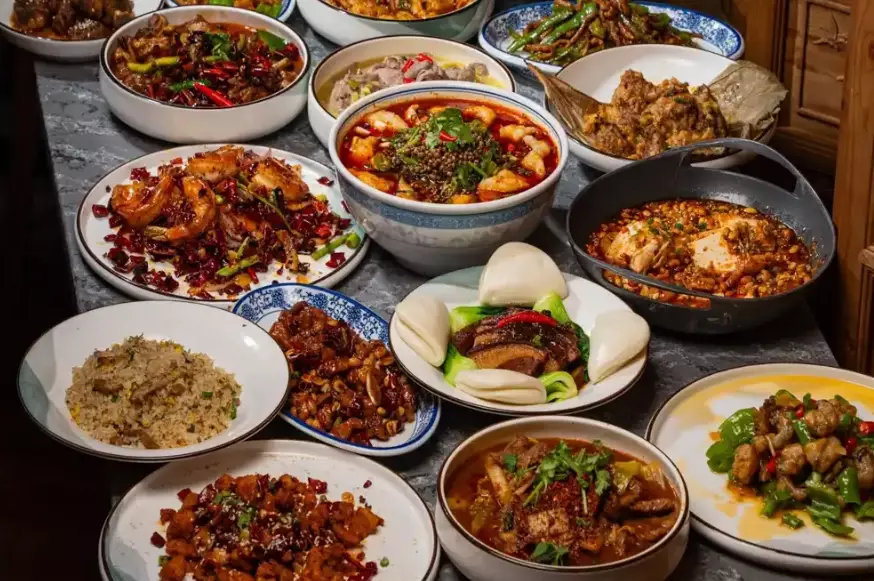
Budgeting: Street Food vs. Splurges
You can eat magnificently for $15 a day in Vietnam or Thailand if you stick to street food and local canteens. In Japan or Singapore, that's tougher. I allocate a daily food budget with a 70/30 split: 70% for amazing, affordable local finds, 30% for one or two memorable splurges per week—a renowned sushi meal, a rooftop bar, a high-end cooking class. Always have a cash stash; many of the best places don't take cards.
Timing & Seasonality
Food is seasonal. Going to Japan in autumn? It's mushroom and persimmon season. Thailand in April? It's hot as hell, but it's also peak mango season—get ready for the best mango sticky rice of your life. Check local festival calendars too. Being in Taiwan during the Matsu Pilgrimage means incredible street food setups you won't find any other time.
Navigation & Communication
Google Maps is your friend, but Maps.me works offline. For menus, Google Lens can translate in real-time. Learn five key phrases: "Thank you," "This is delicious," "One more, please," "No spice" (if needed), and "Check, please." A smile and pointing works wonders. I often take a photo of a dish I like from another table to order.
Going Beyond the Bite: Food as Cultural Immersion
Eating is just the start. To truly connect, you need to engage.
Take a Cooking Class, But Choose Wisely. Avoid the large, generic hotel classes. Look for small, market-based classes. In Bali, I learned more about local life from my instructor Ketut at the market than I did in a week of temple tours. We touched ingredients, bargained with vendors, and cooked in his family compound.
Visit a Wet Market at Dawn. This is the unfiltered pulse of Asian food culture. The sounds, the smells, the organized chaos—it's where chefs and grandmothers shop. It's not always pretty, but it's 100% real. Don't just walk through; buy a strange fruit and ask the vendor how to eat it.
Understand the Dining Rules. In South Korea, don't pour your own drink. In Thailand, don't use your fork to put food in your mouth (use it to push food onto your spoon). In India, eat with your right hand. These small acts of respect open doors and smiles.
Your Food Travel FAQs Answered (By Someone Who's Messed Up)
I have dietary restrictions (vegetarian/gluten-free/halal). Is a food-focused trip to Asia still feasible?
What's a realistic budget for a two-week food-centric trip to, say, Thailand and Vietnam?
How do I avoid food poisoning? Is street food really safe?
What's one piece of advice you wish you had before your first Asia food trip?




Comments
Join the discussion