Let's be honest. Spain is incredible. The food, the history, the sheer vibrancy of life. But between the dreamy Instagram posts and the glowing guidebooks, there's a reality that often gets glossed over. The Spain tourism problems that can turn a dream vacation into a stressful ordeal.
I've lived here for years, watched the crowds swell, and seen the same mistakes made by visitors again and again. This isn't about scaring you off. It's about arming you with the kind of local knowledge that most travel blogs don't give you. Because knowing the problems is the first step to completely avoiding them.
What You'll Find in This Guide
The Overtourism Headache: It's Worse Than You Think
You've heard about the crowds. But the data from sources like the European Cities Marketing reports shows it's not just a summer thing anymore. It's a year-round pressure cooker in specific zones. The problem isn't Spain being full; it's that everyone is going to the same five spots at the same time.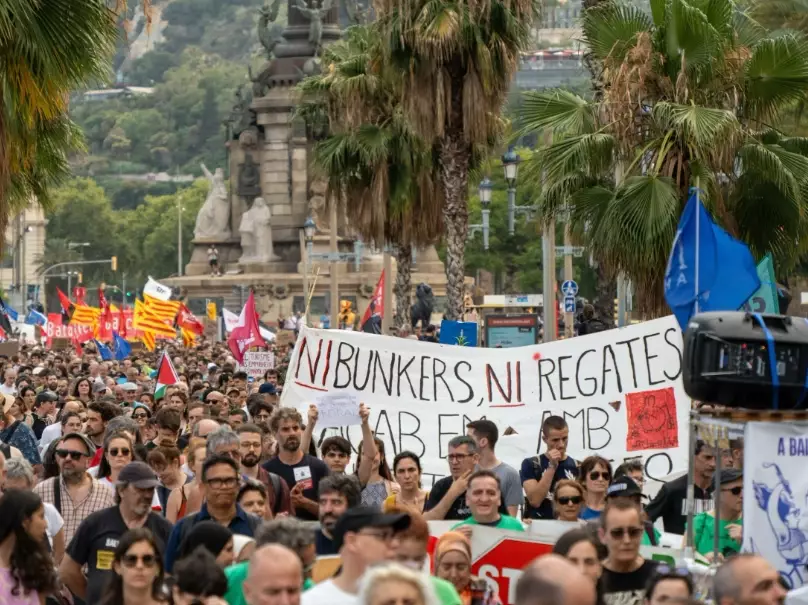
Take Barcelona's Sagrada Familia. Sure, book online. Everyone says that. But the real issue is the ecosystem around it. The clogged sidewalks, the tour groups that block entire streets, the cafes that have doubled prices because they know you have no other option in that immediate radius. You'll spend 45 minutes just navigating the eight-block radius around the cathedral, not enjoying it.
In Seville, the queue for the Real Alcázar can literally eat half a day of your trip during peak season. I've seen people give up and leave. Madrid's Prado Museum has a similar vibe on free entry hours – a scrum that makes appreciating Goya impossible.
The subtle impact? A loss of authenticity. When a neighborhood like Madrid's La Latina or Barcelona's Gothic Quarter has more souvenir shops selling plastic flamenco dolls than actual grocery stores, something's off. Residents get frustrated, and the local character you came to see gets diluted.
How Overtourism Manifests (Beyond the Queue)
It's not just lines. It's:
Impossible Photography: Getting a clean shot of Park Güell's famous terrace without 50 people in it requires a 7 AM arrival.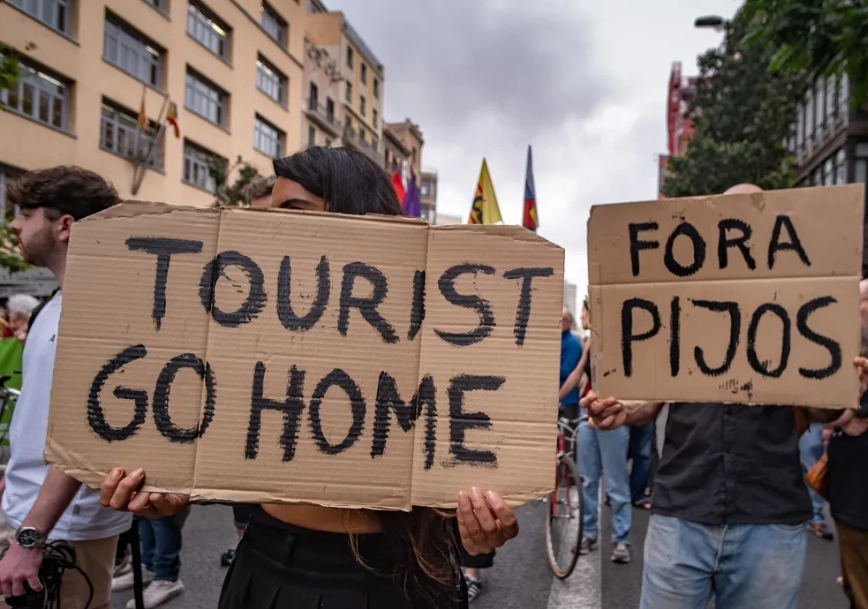
Transport Strain: The Barcelona metro at Plaça de Catalunya at 9 AM is not for the claustrophobic. Buses to Alhambra in Granada are packed solid.
Dining Disappointment: Restaurants in prime tourist zones prioritize turnover. That means microwaved paella, rushed service, and a menu in six languages with pictures.
Pickpockets and Scams: Beyond Basic "Keep Your Wallet Safe"
If I had a euro for every time I've seen the "distraction duo" work Las Ramblas, I could retire. The problem with most advice is it's too generic. "Be aware of your surroundings." Okay, but how?
Let's get specific. The current top scams aren't just about bumping into you.
The "Friendly Local" Scam: This is big in Madrid's Plaza Mayor. Someone approaches, asks if you speak English, praises your country, and then offers you a sprig of rosemary "for good luck" as a "gift." The moment you take it, they demand money aggressively, often while their partner picks your pocket from behind. The trick? Never accept anything from a stranger's hand. A firm "No, gracias" and walking away is the only solution.
The Restaurant Menu Switch: You sit down, see a reasonable price for paella (say, €18). When the bill comes, it's €25 per person. They claim the price was "per person" and the asterisk was on the menu you didn't scrutinize. Always, always ask "¿Es el precio total o por persona?" before ordering any shared dish.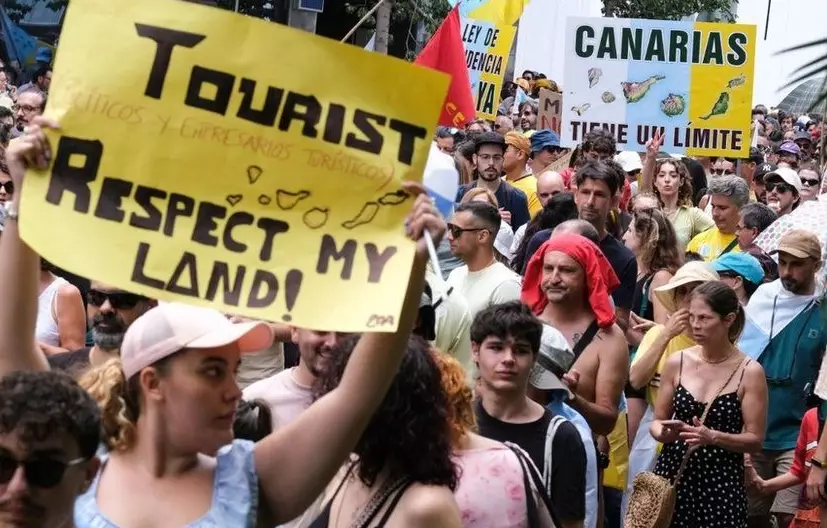
Taxi Long-Hauling: Especially from Madrid's Barajas Airport or Barcelona's El Prat to the city center. Some drivers take the scenic, congested route. Use the taxi meter (it's the law), and have a rough map on your phone. Knowing the main highway names (M-14/M-30 in Madrid, B-10/B-20 in Barcelona) helps.
Pickpockets are professionals. They work in teams. One creates a commotion (a fake fight, spilling a drink on you), while two others clean out your bag, backpack, or even your front pocket if you're distracted enough. A cross-body bag worn in front, under a jacket, is the gold standard. Backpacks should be worn on your chest in crowded metros.
Soaring Prices and the "Two-Tier" System
Inflation hit Spain hard, and tourism hotspots bear the brunt. But there's a hidden structure. There's the precio para turistas (tourist price) and the normal price.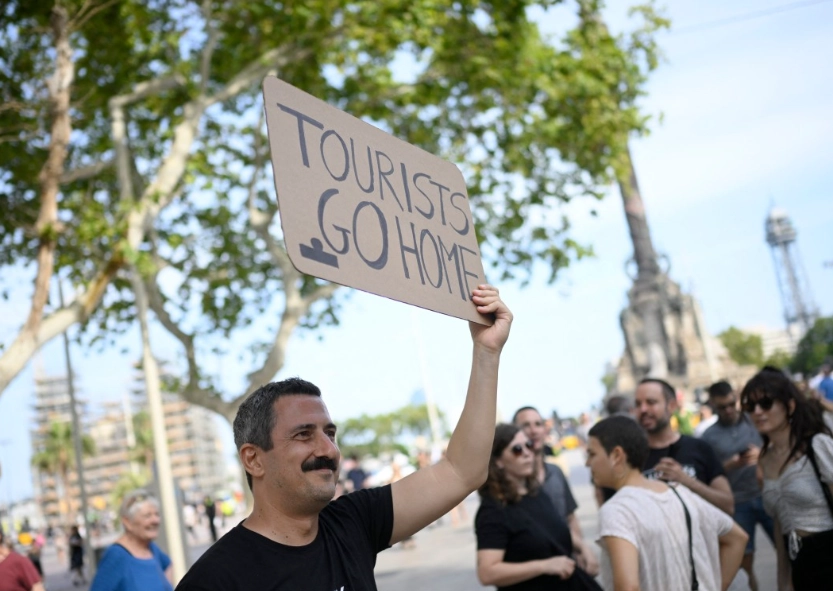
You see it in:
Tapas Bars in Granada vs. Madrid: In Granada, you still get a free tapa with your drink in most local bars. In Madrid's Puerta del Sol area, you'll pay €4 for a single, mediocre patata brava.
Accommodation: A basic hotel room in central Barcelona in August can easily hit €300/night. Move 3 metro stops out to a neighborhood like Gràcia or Sants, and you might find a cleaner, quieter place for €130.
"Tourist Menus" vs. "Menú del Día": The tourist menu is a fixed, often overpriced and low-quality meal. The Menú del Día (Menu of the Day) is a Spanish institution for workers: a starter, main course, dessert, drink, and bread for €12-€18. It's served at lunchtime (1:30-4 PM) in local restaurants, often not in the main square. This is your single best tool for eating well and cheaply.
The key is geography. Step 10 minutes away from the absolute epicenter of any attraction, and prices for food, drink, and sometimes even souvenirs normalize dramatically.
Practical Solutions: Your Action Plan for a Better Trip
Knowing the problems is useless without a battle plan. Here's mine, refined from years of living here and guiding friends.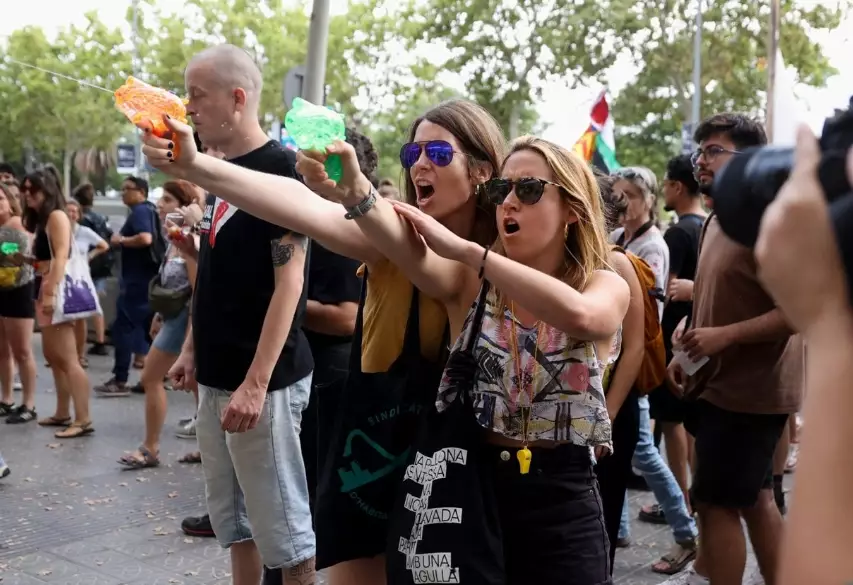
Beating the Crowds: A Strategic Approach
Forget just "going off-season." Spain's off-season is shrinking. Think strategic substitution and time-shifting.
- Swap the Mega-City for the Second City: Instead of Barcelona, consider Valencia or Girona. Instead of Seville, consider Córdoba or Granada (though Alhambra needs booking). Instead of Madrid, consider vibrant Toledo (a short train ride away) as a base.
- Radical Timing: The most popular sites have a 90-minute "golden hour" at opening. Be at the gate 30 minutes before it opens. You'll get 60 minutes of relative peace. Alternatively, book the last entry slot of the day. Crowds thin out significantly.
- Pre-book Everything, But Correctly: Book directly on the attraction's official website (.es domain). Third-party sites often charge more and have less flexible cancellation. This includes Alhambra, Sagrada Familia, Prado, Mezquita, etc.
Building a Scam-Proof Daily Routine
Make these habits automatic:
- Wallet in front pocket, phone on a wrist strap or in a zipped bag. Never place your phone on an outdoor cafe table.
- Use a money belt for backup cash/Passport, but keep a day's worth of cash in a separate, accessible place so you're not digging into the belt in public.
- Learn five key phrases beyond "hola" and "gracias": "No, gracias" (firmly), "¿Cuánto cuesta?" (How much?), "La cuenta, por favor" (The bill, please), "¿Acepta tarjeta?" (Do you take card?), "¿Dónde está el baño?" A little Spanish effort shuts down 80% of scam attempts.
Eating and Sleeping Like a Local
Your accommodation and food strategy defines your budget.
Sleep: Look for hostales (family-run guesthouses, not party hostels) or small hotels in residential neighborhoods connected by metro. In Barcelona, think Eixample or Sants. In Madrid, Chamberí or Argüelles.
Eat: Follow the workers at 2 PM. If a place is full of Spaniards chatting loudly, it's good. Look for the handwritten Menú del Día board outside. For dinner, Spaniards eat late (9-11 PM). Go where the locals go at 9:30 PM. Avoid places with giant color photos of food outside.
Buy a local SIM card or an eSIM for reliable data. Google Maps is your friend for navigating public transport, which is excellent. In cities, get a 10-trip transit pass (T-casual in Barcelona, Multi in Madrid) for massive savings.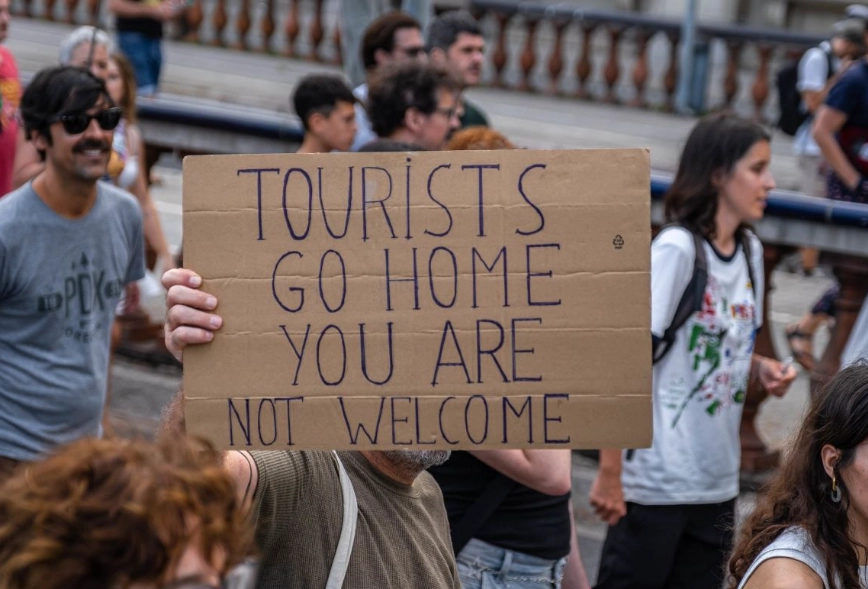



Comments
Join the discussion