So it's your first time heading to New Zealand. Good choice. You've probably seen the photos—the insane mountains, the crazy blue lakes, the sheep everywhere. But figuring out where to actually go with limited time can feel overwhelming. Do you chase glaciers or geothermal pools? Focus on one island or try to cram it all in? I've been there, planned that, and made a few mistakes along the way. Let's cut through the noise. For a first trip, you want the greatest hits, the iconic experiences that give you the full spectrum of what makes this country special. This isn't about seeing everything; it's about seeing the right things.
Your First NZ Trip at a Glance
The North Island Essentials: Volcanic Wonders and Maori Culture
The North Island is where you'll feel the earth's pulse. It's greener, more populous, and steeped in Maori history. Don't just fly into Auckland and rush south. These spots are worth your time.
Auckland: The Gateway City (But Don't Stay Long)
You'll likely land here. It's a fine city, but it's not why you came to New Zealand. Spend a day, maybe two, to shake off the jet lag. Climb or take the ferry to Devonport for classic views of the skyline. For a real local vibe, head to the West Coast beaches like Piha or Muriwai—black sand, massive waves, and gannet colonies. It's a 45-minute drive and gives you a raw taste of the coast immediately. Then get out. The real magic is elsewhere.
Waitomo Caves: The Glowworm Galaxy
A 2.5-hour drive south of Auckland. This is non-negotiable. You can do a simple boat tour through the Glowworm Grotto, which is magical enough—floating in silence under a ceiling of thousands of tiny blue lights. But if you're even slightly adventurous, book the "Black Water Rafting" tour. You'll float through caves on an inner tube, abseil down waterfalls, and yes, see the glowworms. It's a 3-hour activity that blends adventure with sheer natural beauty. Tours start around NZD $75. Book ahead, especially in summer.
Rotorua: Where the Earth Bubbles and Steams
The smell hits you first. That's the sulphur, and it means you've arrived. Rotorua is the heartland of geothermal activity and Maori culture. You have to see one major geothermal park. Wai-O-Tapu Thermal Wonderland is my pick for the most visually stunning, with the famous Champagne Pool and the Lady Knox Geyser that erupts daily at 10:15 AM (yes, they induce it, but it's still impressive). Entry is NZD $32.50. For culture, visit a living Maori village like Whakarewarewa, not just a performance dinner. You'll see how the community has lived alongside the geothermal forces for centuries, cooking in hot pools and using the steam vents. It feels authentic.
Tongariro Alpine Crossing: The Best Day Hike in NZ
Often called the best one-day hike in the country. It's a 19.4km trek across a volcanic landscape that stood in for Mordor in Lord of the Rings. You'll pass emerald lakes, active craters, and vast lava fields. It's challenging—allow 7-8 hours. You need to organize a shuttle from the nearby town of National Park or Taupo, as it's a point-to-point walk. Check the weather forecast religiously; it's an alpine environment and can turn dangerous quickly. If you're fit and the weather gods smile, do it. If not, the views from the base are still epic.
The South Island Highlights: Mountains, Fjords, and Pure Adventure
This is the postcard. Dramatic, rugged, and sparse. This is where you'll want most of your time.
Christchurch & the Transition to Scenery
Your South Island gateway. The city is still rebuilding from the earthquakes, which gives it a resilient, creative energy. Visit the Botanic Gardens and the innovative Cardboard Cathedral. But use it as a base to explore the Canterbury region. A day trip to Akataroa Harbour to see the rare Hector's dolphins is a perfect start. Then, point your car towards the mountains.
Lake Tekapo & Mount Cook: The Iconic Blue
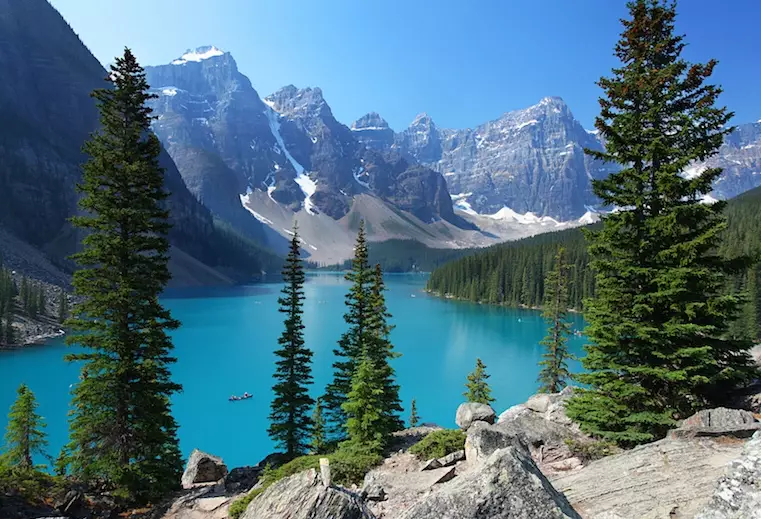
The drive from Christchurch into the Mackenzie Country is when you'll start pinching yourself. Lake Tekapo is that unbelievable milky-turquoise color, thanks to glacial "rock flour." The tiny Church of the Good Shepherd here is famously photogenic. Stay a night. The stargazing here is world-class because it's in an International Dark Sky Reserve. From Tekapo, it's about an hour to Aoraki / Mount Cook National Park. You don't need to be a climber to appreciate it. The Hooker Valley Track is an easy 3-hour return walk that takes you right up to the terminal lake of the Hooker Glacier, with floating icebergs and the sheer face of Mount Cook looming above. It's one of the most accessible and rewarding alpine experiences you can have.
Queenstown: The Adventure Capital (and More)
Yes, it's touristy. Yes, you should go. It's not just about bungy jumping (though the original Kawarau Bridge Bungy is here). The setting is absurdly beautiful, on the shores of Lake Wakatipu surrounded by The Remarkables mountain range. My advice? Spend one day on adrenaline (jet boating, skydiving, the incredible luge at the Skyline Gondola). Spend the next day being chill. Drive 20 minutes to Glenorchy, the gateway to the Dart River and multiple Lord of the Rings filming sites. The road there is one of the most beautiful drives in the world. For a special meal, try Fergburger—it's a queue, but it's a rite of passage—or for a sit-down dinner, Rata offers fantastic modern Kiwi cuisine.
Milford Sound / Piopiotahi: The Eighth Wonder
It's a long drive from Queenstown (about 4 hours one way), but it's a journey through Fiordland National Park that's part of the experience. You'll pass mirror lakes and ancient rainforests. The sound itself is breathtaking—waterfalls cascading down sheer cliffs, seals on the rocks. You must get on the water. A standard 2-hour nature cruise (from NZD $55) gets you up close. Opt for a smaller boat or a kayak tour if you can; it's quieter and you feel the scale more. A major tip: book the earliest cruise of the day. The tour buses arrive en masse around 11 AM. Being on the first boat means having the fjord almost to yourself. Consider staying the night before in Te Anau (a lovely town in its own right) to break up the drive.
Dunedin & the Otago Peninsula: Wildlife and Victorian Charm
Often overlooked by first-timers rushing from Queenstown to the glaciers, Dunedin is worth a detour. It feels like a slice of Scotland with its Victorian and Edwardian architecture. The real draw is the Otago Peninsula. Here you can see rare yellow-eyed penguins (Hoiho) coming ashore at dusk, and the world's only mainland breeding colony of Royal Albatross at Taiaroa Head. Book a guided wildlife tour for the best, most respectful viewing. It's a completely different side of New Zealand's natural world.
How to Get Around New Zealand?
This is the biggest practical decision. Public transport between cities exists but is limited. To see the places above freely, you need wheels.
| Option | Best For | Key Considerations | Approx. Cost (10 days) |
|---|---|---|---|
| Rental Car/Campervan | Maximum flexibility, couples, groups, following your own schedule. | Book months ahead for peak season (Dec-Feb). Understand insurance excess. NZ roads are winding; take your time. Campervans must use designated holiday parks. | NZD $600 - $1500+ |
| Domestic Flights | Covering long distances quickly (e.g., Auckland to Queenstown). Saving time on a short trip. | Can be cost-effective if booked early. You miss the scenery in between. Still need local transport at destinations. | NZD $150 - $300 per sector |
| Coach Tours (e.g., InterCity, GreatSights) | Solo travelers, those who don't want to drive, social travel. | Fixed schedules. You see the highlights from the bus with commentary. Can book flexi-passes for hop-on/hop-off. | NZD $300 - $700 for passes |
For a first trip spanning both islands, I recommend a rental car, combined with a one-way flight between islands (e.g., Auckland to Christchurch). This saves you the long ferry crossing with the car (which is an experience, but time-consuming) and lets you focus on scenic drives within each island.
Putting It Together: A Sample 12-Day Itinerary for First-Timers
Here’s a balanced, clockwise loop that hits the icons without being a brutal marathon.
Days 1-3: The North Island's Volcanic Heart
Day 1: Arrive Auckland, recover, visit a west coast beach.
Day 2: Drive to Waitomo (2.5h), do a glowworm cave tour. Continue to Rotorua (1.5h).
Day 3: Explore Rotorua—Wai-O-Tapu geothermal park in the morning, Maori cultural experience in the afternoon.
Days 4-5: Crossing to the South Island Scenery
Day 4: Fly from Rotorua (via Auckland) to Christchurch. Pick up rental car. Explore Christchurch.
Day 5: Drive to Lake Tekapo (3h). Visit the church, walk the lakeshore. Drive on to Aoraki/Mount Cook Village (1h). Do the Hooker Valley Track. Stay near the park.
Days 6-9: The Southern Lakes and Fjords
Day 6: Drive to Queenstown (3.5h). Stop at viewpoints. Afternoon in Queenstown, ride the gondola.
Day 7: Queenstown day. Choose adventure or a relaxed day trip to Glenorchy.
Day 8: Day trip to Milford Sound. Stay in Te Anau the night before or prepare for a very long day from Queenstown.
Day 9: Drive from Queenstown to Dunedin (3.5h). Afternoon exploring the city or Otago Peninsula wildlife tour.
Days 10-12: Departure
Day 10: Drive from Dunedin back to Christchurch (4.5h). Return car.
Day 11: Buffer day for weather or a missed activity. Or, depart from Christchurch.
Day 12: International departure.
Local's Tip: This itinerary involves driving, but none of the days are excessively long behind the wheel (max ~4.5 hours). The key is to stop often—at fruit stalls, lookout points, random beaches. The journey is the destination here. If you have more time, add a night in Wellington (the cool capital) on the North Island, or explore the glaciers (Franz Josef/Fox) on the South Island's west coast.
First-Timer Practical Tips: Beyond the Destinations
Budget Realistically: New Zealand isn't a cheap destination. Accommodation and activities are the big costs. A mid-range trip for two, excluding international flights, can easily run NZD $300-$500 per day. Hostels and campsites can cut this down significantly.
Book Key Things Early: This isn't a place to wing it in peak season (December to February). Rental cars, campervans, popular hikes (like the Tongariro Crossing shuttle), Milford Sound cruises, and specific tours (glowworm caves, wildlife tours) can sell out. Book these a few months in advance.
Weather is Everything: You can experience four seasons in one day, especially in the South Island. Pack layers—a waterproof jacket is non-negotiable. Even in summer, mountain areas can be cold.
Respect the Environment (Tikanga): This is a huge part of traveling responsibly here. Stick to marked tracks, don't litter (take your rubbish with you), and clean your shoes if you've been hiking to stop the spread of invasive species like didymo. The Department of Conservation (DOC) website is your best friend for track conditions and rules.
Your Burning Questions Answered
Your first trip to New Zealand is about setting the hook. You don't need to see it all. You need to see enough of its incredible diversity—the volcanic earth, the deep Maori culture, the towering alps, the serene fjords—to know you'll be back. Start with these places, travel slowly, and let the landscape do the talking. You'll understand why they call it Aotearoa, the land of the long white cloud.

Comments
Join the discussion