Let's cut to the chase. Asking if Iceland is expensive is like asking if the ocean is wet. The short, blunt answer is yes, Iceland is one of the most expensive countries you can visit as a tourist. But that's only half the story. The real question you should be asking is: "How can I experience Iceland without going bankrupt?" Because it's absolutely possible. I've planned trips there for friends, made my own costly mistakes, and found the sweet spots where value meets the unforgettable. This isn't about scaring you off; it's about giving you the honest numbers and the real strategies so you can plan smart.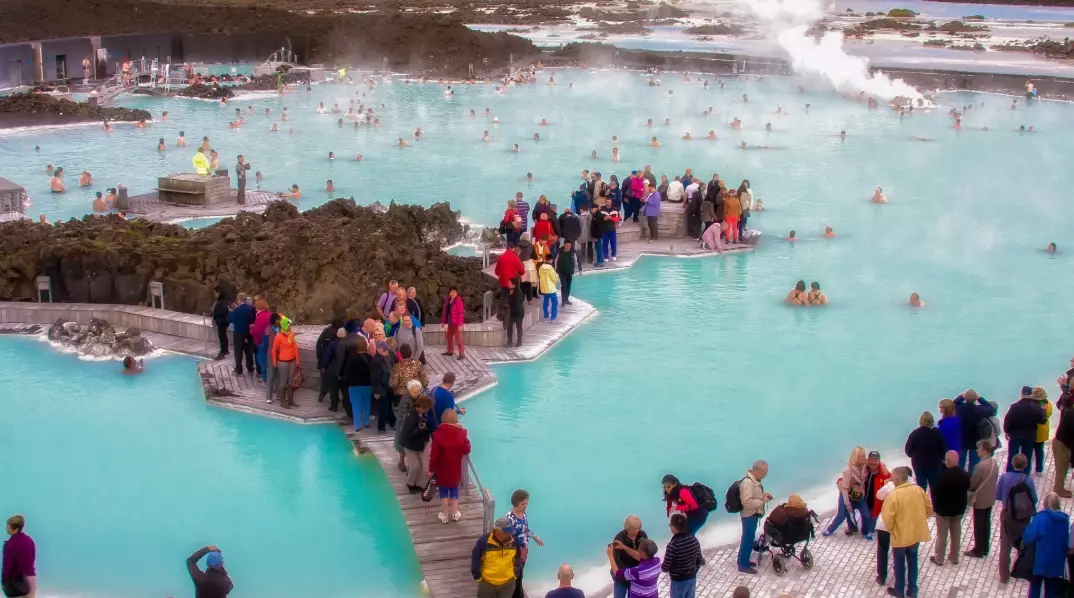
What’s Inside: Your Iceland Budget Guide
The Short Answer: Yes, But It’s Manageable
Iceland's high cost of living, reliance on imports, and small population all contribute to the price tag. A simple sit-down meal for two with no alcohol can easily hit $80-$100. A beer in a Reykjavik bar? Expect $12-$15. It's a shock if you're not ready.
But here’s the perspective shift you need: Iceland's greatest attractions are often free. The landscapes—the waterfalls, the black sand beaches, the geothermal areas—don't charge admission. Your budget battle is won or lost on logistics: transport, sleep, and food. Master those, and you unlock the country.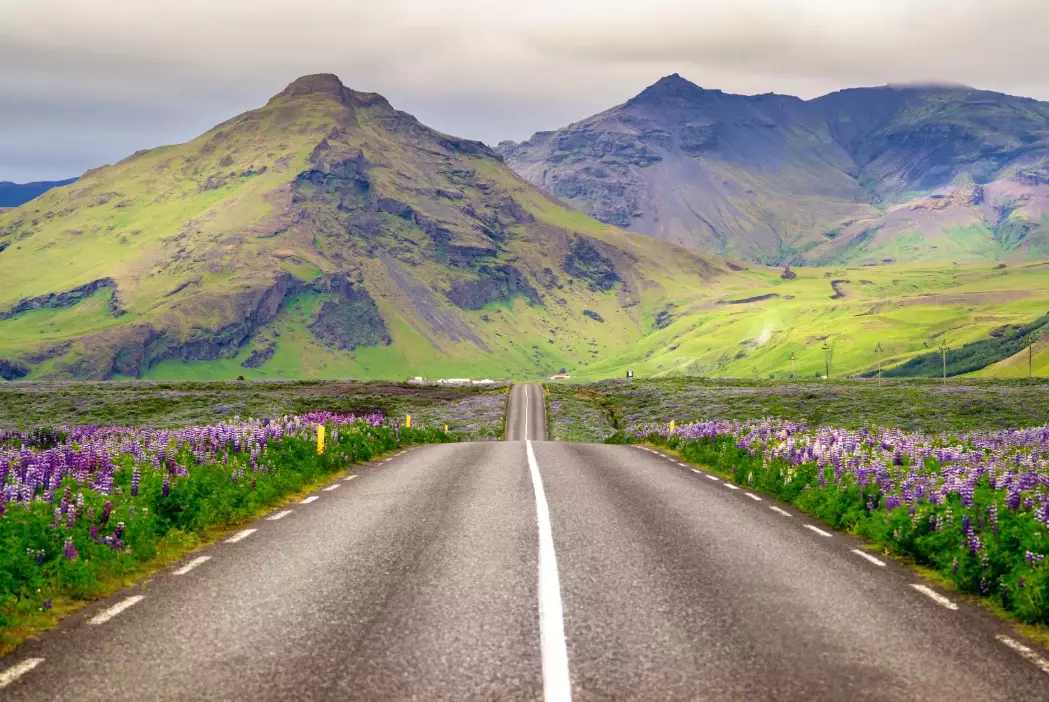
The Non-Consensus Viewpoint: Most guides talk about cost, but few stress the volatility. Your biggest budget risk isn't the known expense of a hotel; it's the unplanned $50 "convenience" meal at a remote gas station because you mis-timed your drive and everything else is closed. Meticulous daily planning isn't optional here; it's your primary financial defense.
Breaking Down the Costs: Where Your Money Actually Goes
Let's get specific. These are 2024 estimates based on current trends and my own tracking.
1. Transportation (Your Biggest Variable)
Flights: This is the good news. From major US and European hubs, you can find round-trip tickets for $400-$700 if you're flexible. Budget airlines like Play have changed the game. The flight might be your smallest expense.
Car Rental: This is the shocker. A small 2WD car in summer averages $80-$120 per day. A 4x4 for the Highlands or winter? $150-$250/day. Insurance (gravel, ash, sand) is non-negotiable and adds 20-30%. Petrol is around $2.20-$2.50 per liter (roughly $8.30-$9.50 per gallon).
Alternative: Public buses like Straeto are cheaper but limit you immensely. Guided multi-day tours remove driving stress but cost a premium ($1000+ for a 3-day tour).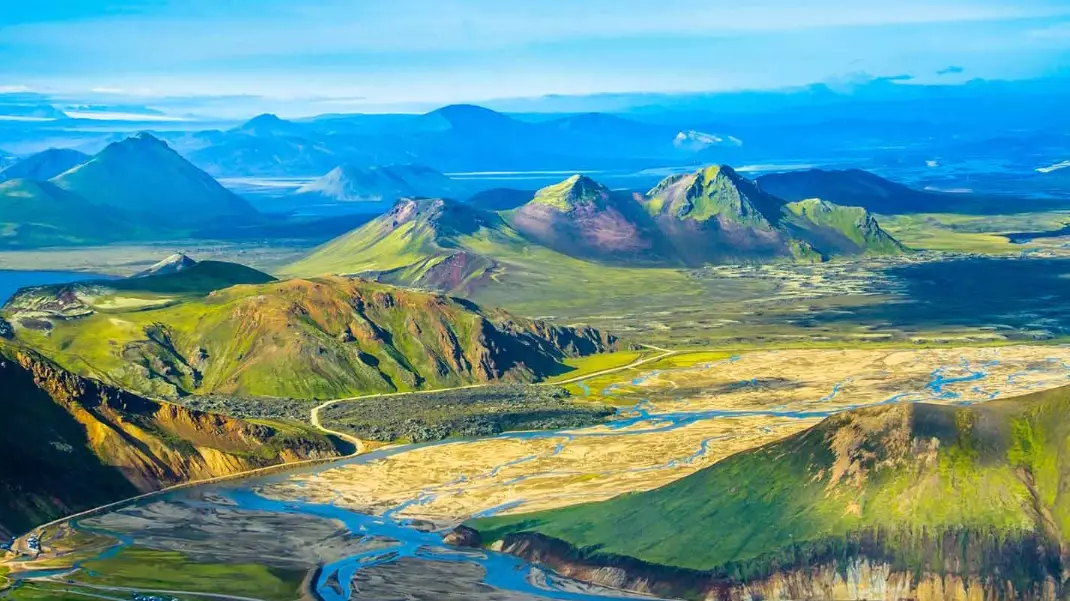
2. Accommodation
Reykjavik Hotels: A standard double room in a mid-range hotel: $200-$350/night in peak season (June-August).
Guesthouses & Farmstays: The sweet spot. A private room with a shared bath outside the capital: $120-$200/night. Often includes breakfast, which is a huge saving.
Hostels: A dorm bed: $40-$70/night. A private hostel room: $100-$160/night.
Camping: Official campsites are $15-$25 per person per night. You must have a proper sleeping bag and tent. The weather is no joke.
3. Food & Drink
This is where budgets crumble. A bottle of Coke in a gas station is $4. A hot dog (the famous Bæjarins Beztu) is a relative bargain at $6.
| Item / Meal | Average Cost (USD) | Budget-Friendly Alternative |
|---|---|---|
| Restaurant Lunch (main course) | $25 - $40 | Soup of the day ($15-$20) or gas station sandwich ($8-$12) |
| Restaurant Dinner (3 courses, no wine) | $70 - $100 per person | Guesthouse communal dinner ($35-$50) or self-cooked meal |
| Beer (0.5L draft in bar) | $12 - $15 | Buy from Vinbuðin (state liquor store) for ~$3-$5 per can |
| Coffee (latte/cappuccino) | $6 - $8 | Free at many guesthouses, or use a thermos |
| Groceries (per day, per person) | $25 - $40 | Focus on basics: Skyr, bread, cheese, fruit, pasta |
4. Activities & Attractions
Free: Thingvellir National Park, Seljalandsfoss & Skógafoss waterfalls, Reynisfjara black sand beach, most hiking trails, Reykjavik city walk.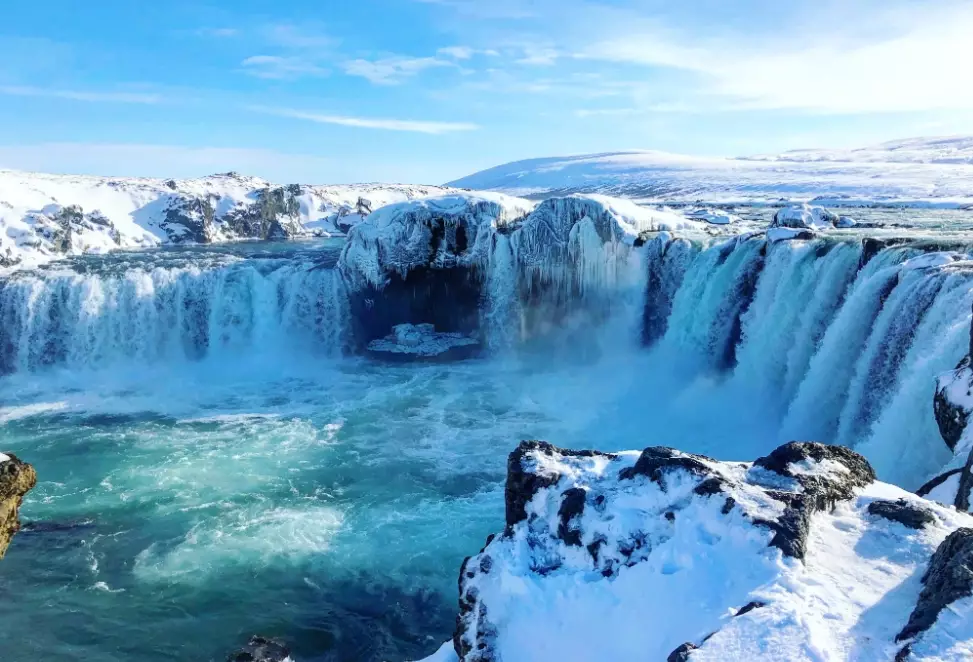
Paid & Worth It (Sometimes):
- Blue Lagoon: Comfort package starts at ~$70. Consider Sky Lagoon ($60) or local pools ($10) instead.
- Glacier Hike: $120-$180 per person. A splurge, but genuinely unique.
- Whale Watching: $90-$120 from Reykjavik or Husavik.
- Ice Cave Tour: $150-$250 (winter only).
How to Travel Iceland on a Budget: Real Strategies That Work
Forget generic "save money" tips. These are tactical moves.
Transport Hacks
Rent a Campervan. Seriously. It combines your car and accommodation into one cost. A basic van for two in summer runs $150-$250/day. Split that, and you're at $75-$125 each for transport AND a bed. Cook your own meals in it. Use campsites ($25/night for the van + people). The math works, especially for the Ring Road. Companies like CampEasy and Go Campers are reliable.
Travel in a Group of Four. The per-person cost of a 4x4 and a large Airbnb plummets. This is the single most effective cost-cutting measure.
Book Your Car 6+ Months in Advance. Prices double as you get closer.
Food & Drink Mastery
Live by the Bonus and Kronan supermarkets. Plan your main meal as a picnic lunch by a waterfall. Dinner is pasta, soup, or a simple grill at your accommodation. A classic tourist mistake is thinking you'll "find" cheap food on the road. You won't. You must bring it with you.
Never buy bottled water. Icelandic tap water is the best in the world. Bring a reusable bottle.
Embrace the local swimming pools. For $8-$12, you get a geothermal pool, hot pots, and a shower. It's a cultural experience and your daily shower spot if camping.
Accommodation & Activity Smarts
Prioritize guesthouses with kitchen access. Look for this filter on booking sites. It's more valuable than a TV or free wifi.
Visit in the shoulder seasons (May or September). Prices for cars and rooms drop 20-40%. The weather is still decent, and you avoid the worst crowds.
Focus on free sights and one big paid activity. Don't try to do every paid tour. Pick one—a glacier hike or a whale watch—and build the rest of your days around the endless free landscapes. The official Visit Iceland website has excellent lists of free natural attractions.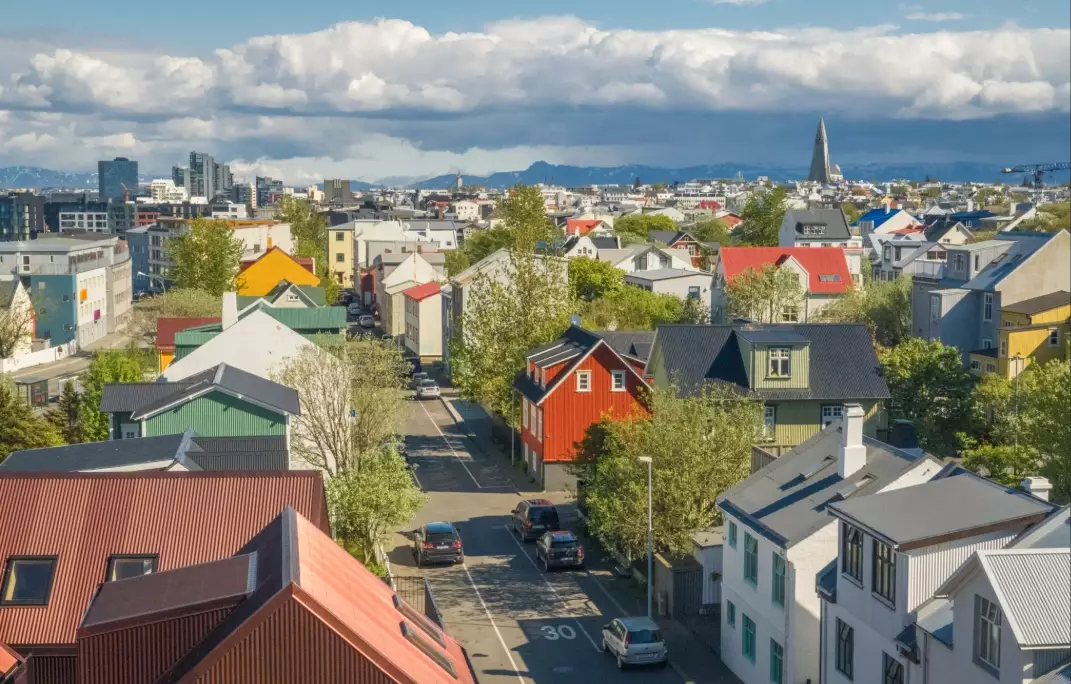
Sample Budgets: From Shoestring to Comfortable
Let's put this into practice for a 7-day Ring Road trip for one person. Assumes summer travel.
The Budget-Conscious Traveler (~$1800-$2200)
- Flights: $500
- Car Rental (split 4 ways): $250 (share of a 4x4)
- Petrol (split 4 ways): $120
- Accommodation (hostels/guesthouse dorms): $70/night x 6 = $420
- Food (90% groceries, 1-2 cheap meals out): $35/day x 7 = $245
- Activities (1 glacier hike): $150
- Misc (pools, parking, coffee): $150
Total: ~$1835. This requires a group, cooking, and no frills, but it's doable.
The Comfort-Seeker (~$3000-$4000)
- Flights: $650
- Car Rental (2 people sharing a small SUV): $600 (your half)
- Petrol (split 2 ways): $250
- Accommodation (private rooms in nice guesthouses): $180/night x 6 = $1080
- Food (mix of grocery lunches, guesthouse dinners, 3-4 restaurant meals): $70/day x 7 = $490
- Activities (Blue Lagoon, glacier hike, whale watch): $350
- Misc: $250
Total: ~$3670. This gets you privacy, flexibility, and a taste of iconic paid experiences.
See the difference? The core costs (car, bed, fuel) dominate. Your lifestyle choices on food and activities then define your final number.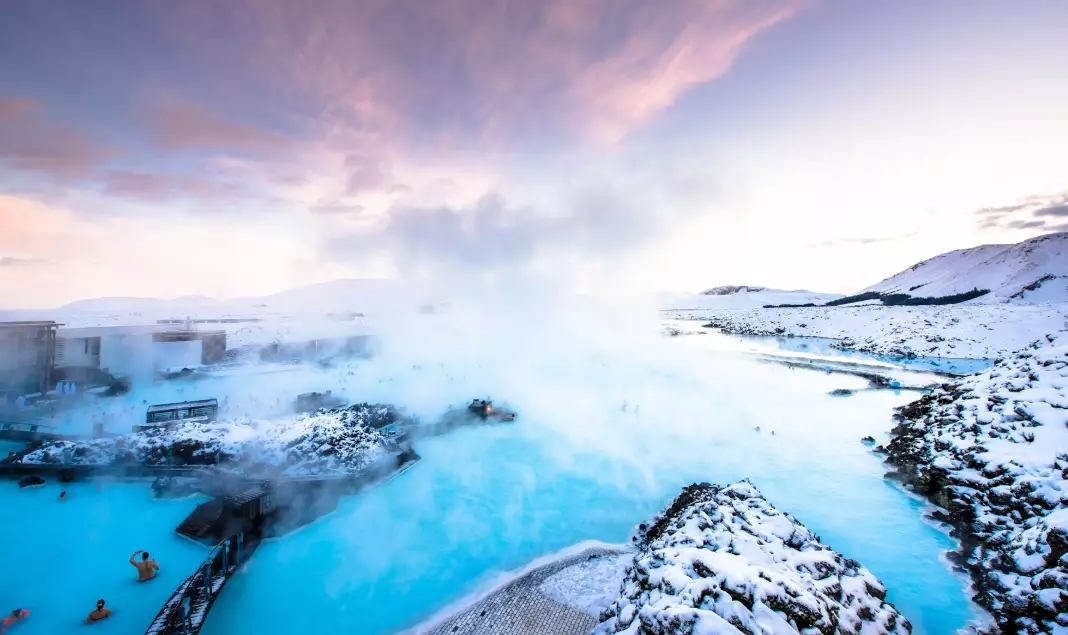
FAQs: Your Iceland Budget Questions Answered
Is food in Iceland really that expensive?
Restaurant food is, yes. But ingredients in supermarkets are only 20-30% more than in the US or UK. The disconnect is the cost of service, rent, and wages in the hospitality sector. A pizza that costs $15 to make at home sells for $40 in a restaurant. The fix is to shift your mindset: dining out is a special occasion, not a daily necessity.
Can I use credit cards everywhere, or do I need cash?
You can use contactless credit/debit cards literally everywhere, even for a $2 coffee at a remote farm stand. I didn't touch Icelandic cash on my last two trips. Bring a card with no foreign transaction fees. Cash is essentially obsolete for tourists.
What's the one expense most first-timers forget to budget for?
Two things, actually. First, parking fees at popular sites like Jökulsárlón glacier lagoon or Seljalandsfoss (approx. $5-$10). Have some small-change on your card ready. Second, the cost of being cold and wet. If you skimp on a proper waterproof jacket and hiking boots, you'll be miserable and end up buying overpriced gear in Reykjavik. That's a $200 mistake. Pack right the first time.
Is the Blue Lagoon worth the high price?
It's a classic tourist trade-off. The Blue Lagoon is a unique, visually stunning geothermal spa. It's also crowded, expensive, and out of the way. For a more local, affordable, and still fantastic alternative, try the Sky Lagoon in Reykjavik (with its epic ocean-view infinity edge) or the Secret Lagoon in the Golden Circle. Or, just go to a local municipal pool in any town for under $15. You'll get the same geothermal soak without the Instagram crowds.
How much should I budget per day for a road trip?
Excluding pre-booked flights and car rental, plan for a daily spend of $80-$150 per person for food, accommodation (budget to mid-range), fuel (if splitting), and minor activities. This assumes you're cooking some meals and staying in guesthouses. A "do anything" daily budget is more like $250+.
So, is Iceland expensive? Absolutely. But the price is a gatekeeper, not a lock. With research, smart planning, and a willingness to adapt your travel style—trading some restaurant meals for epic picnic views—you can experience the raw, staggering beauty of Iceland without financial regret. It's about valuing the experience over the luxury. And in Iceland, the experience is priceless.

Comments
Join the discussion