If you're an American with a map and a dream, staring at the long haul across the Pacific, you're probably asking: Is New Zealand actually good for tourists from the USA? The short, enthusiastic answer is a resounding yes. Having spent months there myself, I can tell you it's one of the most seamless and rewarding international trips an American can take. But that "yes" comes with some crucial footnotes about distance, cost, and a few cultural quirks that travel brochures often gloss over. This guide cuts through the marketing to give you the real picture, from visa logistics to finding a decent flat white.
What's Inside
Why New Zealand is a Fantastic Choice for American Travelers
Let's start with the good stuff. New Zealand rolls out the welcome mat for Americans in ways many other destinations don't.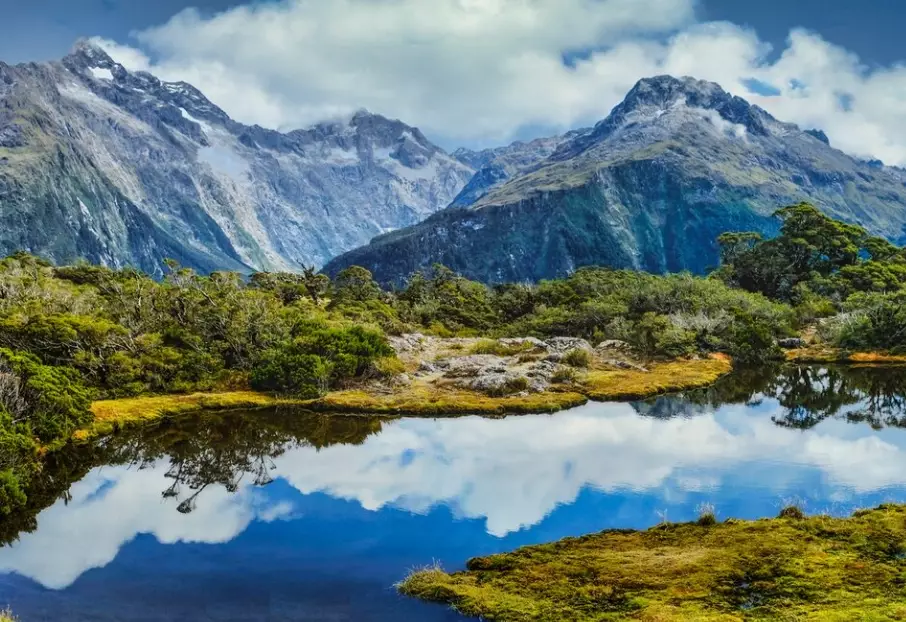
Language is a non-issue. Everyone speaks English, albeit with charming accents and slang like "jandals" (flip-flops) and "bach" (holiday home). You'll have zero communication barriers, which removes a huge layer of travel stress.
It feels incredibly safe. Crime rates are low, and the general atmosphere is one of trust. I never felt uneasy walking alone, even in cities at night. This is a big deal for families and solo travelers alike.
The scenery is unreal, and it's all close together. You can go from hiking on a glacier (Franz Josef) to walking through a rainforest to staring at a dark sky reserve in a single day. The scale is manageable. Unlike the vastness of the American West, NZ's wonders are packed into a relatively small area, making road trips incredibly efficient.
Adventure is built into the culture. This is the birthplace of commercial bungy jumping. Whether you want to jet boat through canyons, heli-hike, or tackle one of the Great Walks, the infrastructure for adventure tourism is top-notch and safety-conscious.
Kiwi hospitality is genuine. People are friendly, helpful, and often curious about the States. The service culture is less about forced cheer and more about straightforward, kind assistance.
The Realities & Challenges: What to Know Before You Go
Now, the honest part. It's not all hobbits and rainbows. A successful trip means understanding the hurdles.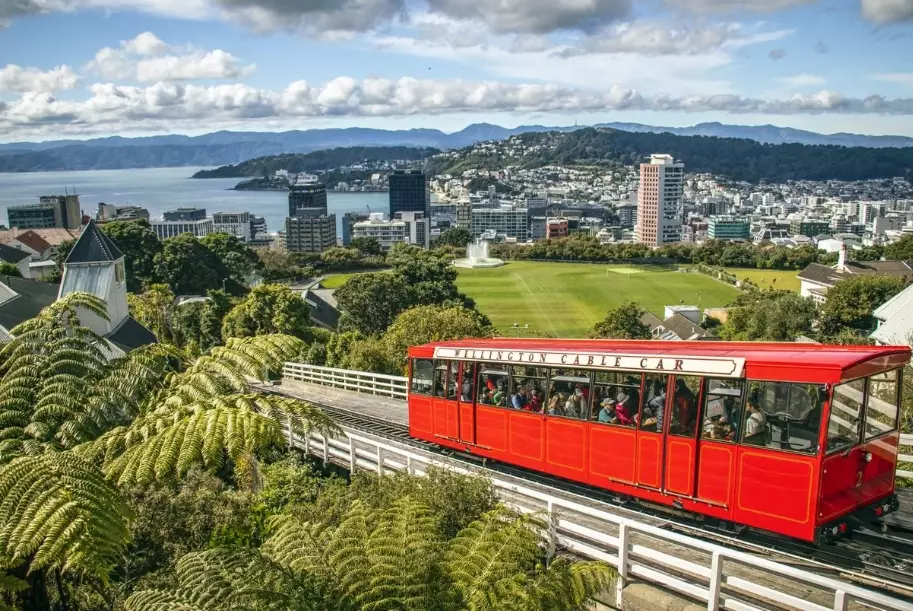
The distance is brutal. From Los Angeles, it's a 12-13 hour flight non-stop. From the East Coast, you're looking at 16+ hours with a connection. Jet lag is a real beast. Budget a full day on arrival just to feel human again.
It is expensive. Let's be real: the distance is no joke. Getting there costs a lot. Once you land, prepare for prices similar to or higher than major US cities. A main course at a mid-range restaurant will run you NZD $30-$40 (approx. USD $18-$25). Gas is pricier. Activities like guided tours or helicopter flights are significant investments.
You drive on the left. This seems obvious, but the mental adjustment is real, especially at roundabouts (which are everywhere) and when making turns. Renting an automatic transmission car is worth the extra cost for most Americans.
The weather is changeable. "Four seasons in one day" is a cliché for a reason. The South Island can be chilly even in summer. You need layers and a good waterproof jacket, not just shorts and t-shirts.
Planning Your NZ Trip: A Step-by-Step Guide for Americans
Here’s how to tackle the logistics, broken down into actionable steps.
Step 1: Entry Requirements & Visas
US passport holders do NOT need a visa for tourist stays of up to 90 days. You do need an NZeTA (New Zealand Electronic Travel Authority). Apply online via the official Immigration New Zealand website or their app. It costs NZD $23 via the app and is valid for multiple visits for up to 2 years. Get this done at least 72 hours before you fly—it's not instant.
Step 2: Booking Flights
Air New Zealand and United offer direct flights from several US gateways (LAX, SFO, IAH, ORD). Qantas, American, and others offer one-stop services via Australia. Use flight search engines, but also check airline sites directly for deals. The shoulder seasons (April-May, September-October) often have better prices and fewer crowds.
Step 3: Budgeting Realistically
Forget the backpacker myths of cheap travel. Here’s a rough daily budget table for different styles:
| Travel Style | Accommodation | Food & Drink | Activities/Transport | Estimated Total Per Person (USD) |
|---|---|---|---|---|
| Budget | Hostel dorm / Campervan | Supermarket meals, occasional cafe | Public transport, free hikes | $70 - $100 |
| Mid-Range | Motel/Airbnb, rental car | Mix of cafes & restaurant meals | 1-2 paid tours per week | $150 - $250 |
| Luxury | Boutique lodges, hotels | Fine dining regularly | Helicopter tours, guided walks | $400+ |
Step 4: Crafting Your Itinerary
Don't try to see both islands in 10 days. You'll just drive. For a first trip, pick one island and explore it deeply. I'd argue the South Island has the more dramatic "wow" scenery, while the North Island offers more culture (Maori experiences), geothermal wonders, and easier logistics.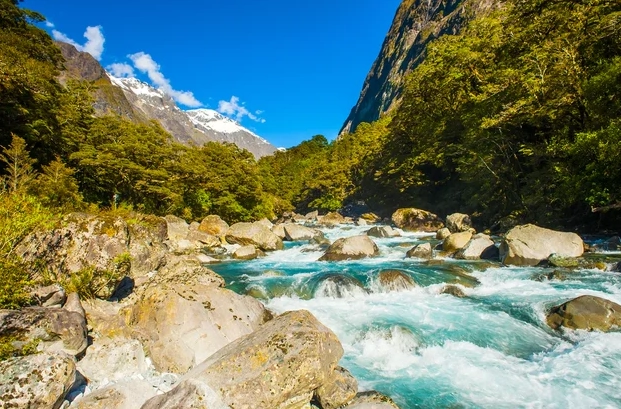
Top Experiences & Itinerary Ideas for US Visitors
Here are two focused itineraries that work brilliantly for Americans with limited time.
South Island Classic (10-14 Days)
Fly into Christchurch (CHC), out of Queenstown (ZQN).
Christchurch: See the innovative post-earthquake rebuild. Visit the Canterbury Museum (free entry, donations welcome).
Drive to Lake Tekapo: Visit the Church of the Good Shepherd. At night, join a stargazing tour with Earth & Sky at the Mount John Observatory (adult NZD $95).
Aoraki/Mt. Cook National Park: Do the Hooker Valley Track (3-4 hrs return, easy, free). Stay at the Aoraki Court Motel in Mt. Cook Village for basic but stunning-location rooms (from NZD $180).
Wanaka: That famous #ThatWanakaTree. Hike Roy's Peak for insane views (5-6 hrs, strenuous).
Queenstown: The adventure capital. Even if you don't bungy, take the gondola (NZD $46) for the view. Eat a legendary Fergburger (42 Shotover St, open 21 hours).
Milford Sound: Drive or take a coach/cruise combo from Queenstown. The cruise is essential (operator like RealNZ, from NZD $99). It's a long day but worth it.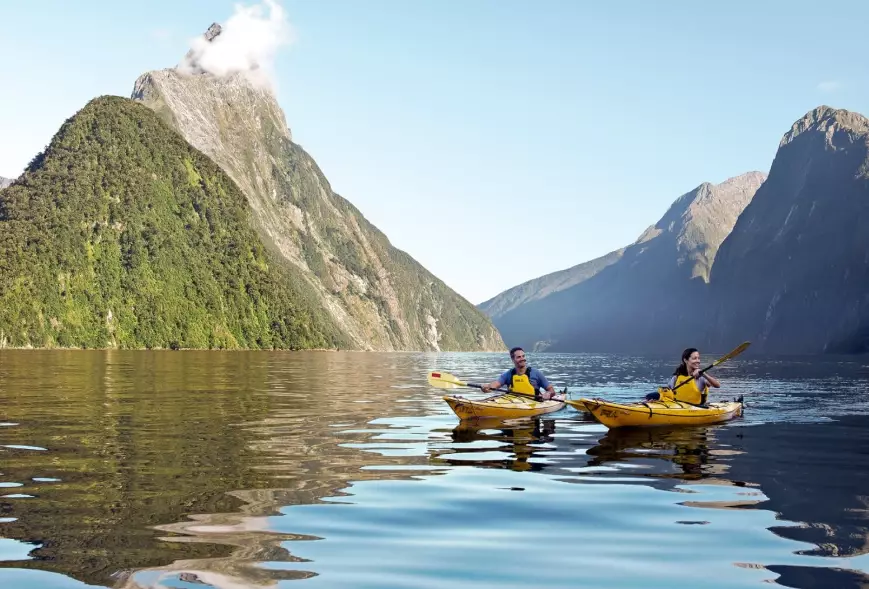
North Island Culture & Volcanoes (7-10 Days)
Fly into Auckland (AKL), out of Wellington (WLG).
Auckland: Climb Mount Eden for 360-degree views (free). Skip the Sky Tower if you're short on time.
Rotorua: The geothermal heart. Visit Te Puia (Hemo Rd, Tihiotonga) to see geysers and a Maori cultural performance (NZD $70). The smell of sulphur is part of the experience!
Taupo: See Huka Falls. Do the Tongariro Alpine Crossing if you're fit (19.4km, one-day hike, shuttle required).
Wellington: The cool little capital. Visit Te Papa Museum (free entry, Cable St). Ride the historic cable car (NZD $6 one-way) to the Botanic Garden.
Accommodation & Dining: Where to Stay and Eat
NZ doesn't have massive chain hotels everywhere. The accommodation scene is dominated by motels, holiday parks (with cabins), and B&Bs. Booking.com and Airbnb work well.
A classic mistake is booking a place that looks central on a map but is up a steep hill—common in Wellington and Queenstown. Check the topography in street view.
For food, embrace the cafe culture. The flat white was perfected here. Cafes do excellent breakfasts and lunches. Dinner is often an early affair, with many kitchens closing by 9 PM.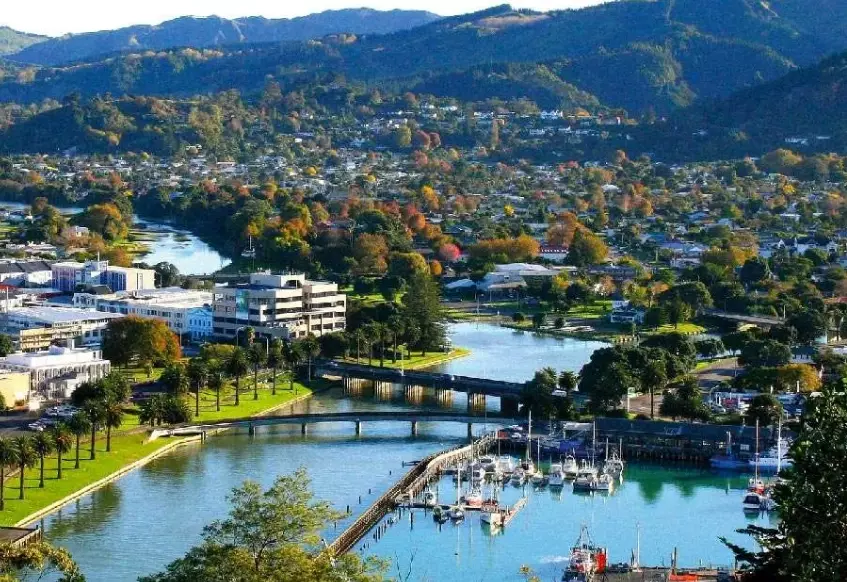
Practical Tips from a Local Perspective
These are the things you learn by doing it wrong first.
Tipping is not expected. Don't feel pressured to add 15-20%. If you get exceptional service, rounding up or leaving 5-10% is a nice surprise, but it's truly optional. This takes a lot of mental calculation out of meals.
Get a SIM card at the airport. Spark, Vodafone, and 2degrees have kiosks. A prepaid tourist plan with data is cheap (e.g., NZD $30 for 5GB). Having Google Maps and the ability to check DOC (Department of Conservation) trail statuses is crucial.
You can't buy over-the-counter cold medicine with pseudoephedrine. It's banned. Bring your preferred decongestant from the US if you're prone to colds.
When shopping, the price you see is the price you pay. GST (sales tax) of 15% is always included. No surprise additions at the register.
Power outlets are Type I. You need an adapter. The voltage is 230V, so check if your devices (like hair dryers) are dual-voltage.
Frequently Asked Questions (FAQ)
Is New Zealand expensive compared to the US?
What's the best time of year for Americans to visit New Zealand?
Do I need an international driver's license to rent a car?
How easy is it to find vegetarian/vegan food in New Zealand?
Is the tap water safe to drink?


Comments
Join the discussion