Let's cut straight to the point. If you're asking about the cheapest time to visit New Zealand, you're likely balancing a dream trip with a real-world budget. The good news? It's absolutely possible to experience Aotearoa's stunning landscapes without breaking the bank. The short answer is the shoulder seasons—specifically, the months of May to early June and September to October. During these windows, you'll find a sweet spot where prices drop significantly for flights and accommodation, the crowds thin out, and the weather, while cooler, is often still very manageable for most activities. But simply naming the season isn't enough. This guide will dive deep into why it's cheaper, exactly what you can expect to save on, and how to maximize every dollar during your visit.
Your Quick Guide to Saving Money in NZ
- When is the Cheapest Time to Visit New Zealand?
- A Detailed Season-by-Season Cost Breakdown
- How to Save Money During Shoulder Season: A Practical Plan
- A Sample 7-Day Budget-Friendly South Island Itinerary
- Common Budget Travel Mistakes to Avoid in New Zealand
- Your New Zealand Budget Travel Questions Answered
When is the Cheapest Time to Visit New Zealand?
Forget the vague advice. The cheapest period falls squarely in the shoulder seasons, which bookend the peak summer (Dec-Feb) and winter ski season (Jul-Aug in Queenstown/Wanaka).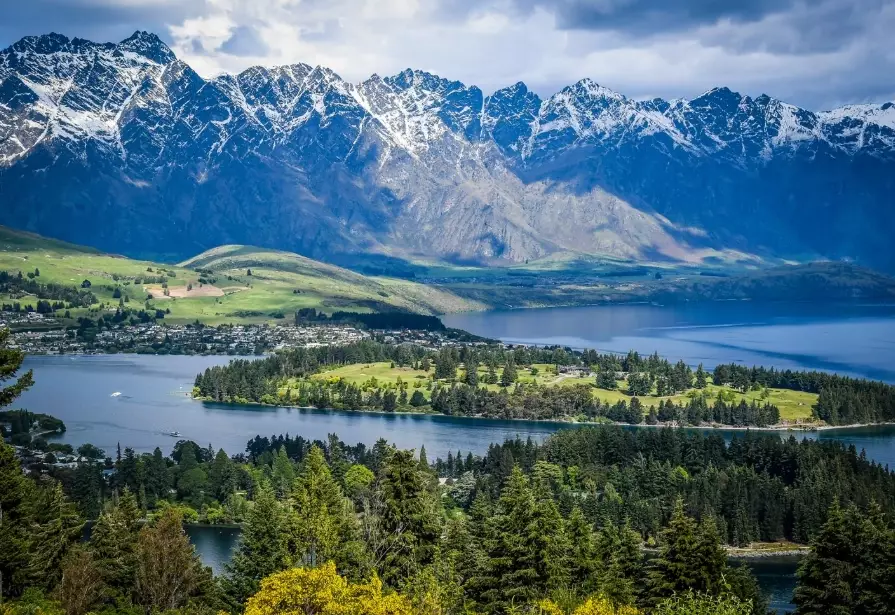
Top Money-Saving Window: Late Autumn to Early Winter (May - Early June). This is the gold standard for budget travelers. The summer rush is over, but the deep winter chill hasn't fully set in across the country. I've personally snagged return flights from the US West Coast for under $800 NZD during this time, a saving of nearly 40% compared to December. Accommodation hosts are eager for bookings, so you'll see discounts on everything from hostel dorms to holiday parks.
Secondary Window: Spring (September - October). This is a close second. The snow is melting in the Alps, wildflowers are blooming, and lambing season brings a cute factor to the countryside. The key here is to avoid the last two weeks of October, which can see a price bump as it leads into the Labour Day long weekend and the start of the warmer weather anticipation.
Expert Tip: Don't sleep on the first two weeks of November. Many still consider it shoulder season, but the weather is markedly warmer and more stable than October. It's a little-known hack for better conditions without the peak summer price tag.
A Detailed Season-by-Season Cost Breakdown
Here’s a clear comparison of what you’re really signing up for in each season, financially and experientially.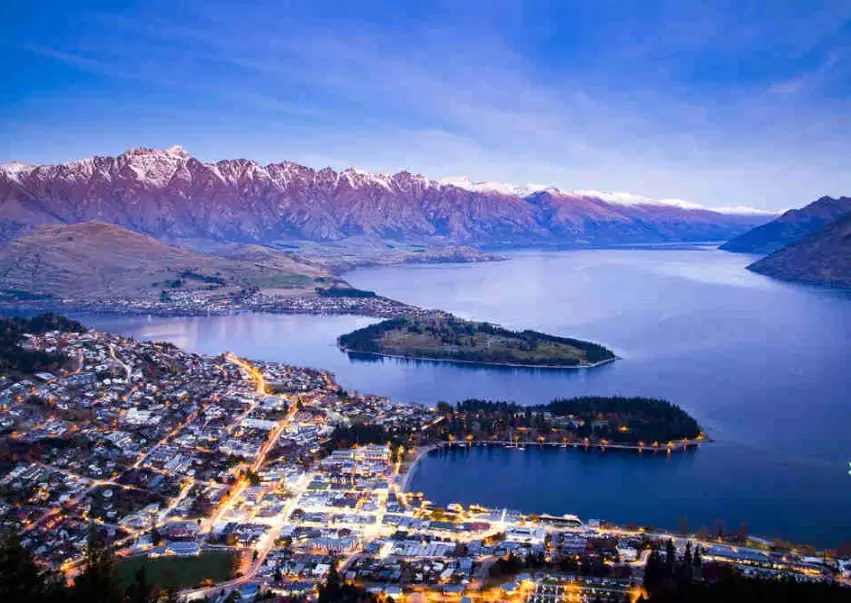
| Season | Months | Cost Level | What You Save On | The Trade-Off |
|---|---|---|---|---|
| Peak Summer | Dec, Jan, Feb | Very High | Nothing. You pay a premium for guaranteed weather. | Crowds, booked-out activities, higher stress. |
| Autumn Shoulder | Mar, Apr | Medium-High | Some late-summer deals appear. Great weather. | Still relatively busy, especially around Easter. |
| Low Season / Winter Shoulder | May, Jun | Low (Best Value) | Flights, accommodation, rental cars. Biggest discounts. | Cooler temps, shorter days, some alpine passes may close. |
| Peak Winter (Ski) | Jul, Aug | High (in ski areas) | Nothing in Queenstown/Wanaka. Good deals elsewhere. | Sky-high prices in resort towns. Cold everywhere. |
| Spring Shoulder | Sep, Oct | Low-Medium | Flights, pre-summer accommodation. | Unpredictable, often rainy weather. Can be windy. |
How to Save Money During Shoulder Season: A Practical Plan
Knowing the season is half the battle. Here’s how to execute a budget trip.
Flights: Use flight aggregators like Google Flights or Skyscanner with flexible date searches centered on May or September. Be open to flying into Auckland instead of Christchurch or Queenstown; it's often cheaper, and you can find affordable domestic flights with carriers like Jetstar. I once saved $300 NZD by landing in Auckland and taking a $79 domestic flight to Christchurch the next day.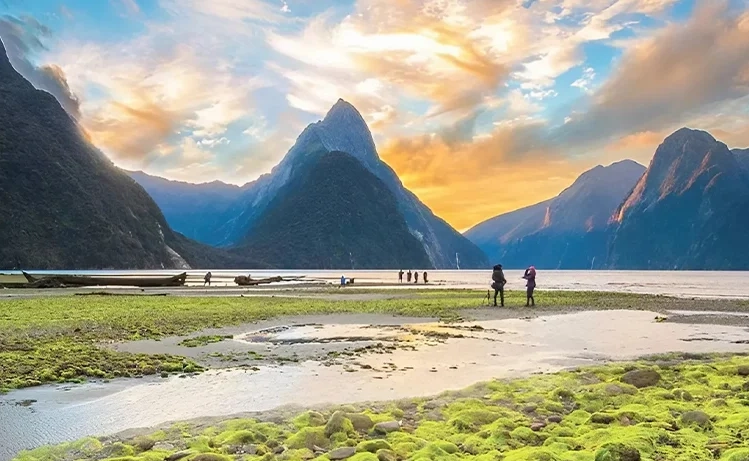
Accommodation: This is where you win big.
- Holiday Parks & Top 10 Holiday Parks are a Kiwi institution. They offer powered sites for campervans, cabins, and often communal kitchens. A cabin in May can cost as little as $80-$120 NZD per night for two, versus $180+ in summer.
- Hostels (YHA, BBH): The quality of hostels in NZ is excellent. YHA Wellington City, for example, has stunning harbor views from its kitchen. Booking directly on their website often yields a 5-10% discount, especially in shoulder season.
- Motels: Don't overlook older, independently-owned motels. They are clean, often include a kitchenette, and are desperate for business in the quiet months. Look for "Last Minute" deals on their websites.
Transport: Rental car prices fluctuate wildly. In shoulder season, you can often book a compact car for around $35-$50 NZD per day. Compare prices on a local aggregator like Rentalcars.com and book early, even if you pay later. The other champion of budget travel is the InterCity bus network. Their Flexipass or Travel Pass offers hop-on-hop-off travel between major towns and national parks at a fixed, low cost. It's slower, but you see the scenery without the driving stress.
Activities & Food: This is critical. Major activities (Milford Sound cruise, Fox Glacier heli-hike, Hobbiton tour) rarely have seasonal price drops. However, you save money by not having to book months in advance. You can often decide the day before based on the weather. Use the Bookme website or app. It's the go-to for last-minute activity discounts across the country, offering up to 50% off. For food, cook your own meals using produce from local supermarkets (Pak'nSave is the cheapest chain). When you do eat out, opt for lunch specials at cafes, which are significantly cheaper than dinner.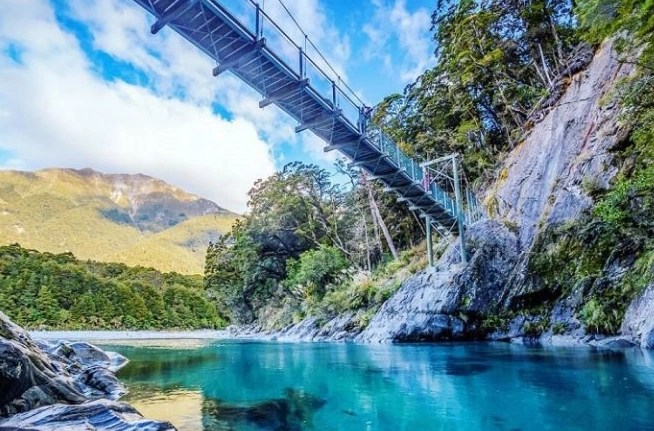
A Sample 7-Day Budget-Friendly South Island Itinerary (May/September)
Here’s a realistic, cost-conscious week focusing on the stunning South Island.
Day 1-2: Christchurch & Arthur's Pass
Arrive in Christchurch. Stay at a central hostel like YHA Christchurch. Rent a car from here (cheaper than Queenstown). Next day, drive to Arthur's Pass National Park. Hike the short, stunning Avalanche Peak track or the Devils Punchbowl Waterfall. Stay at the basic but iconic Arthur's Pass Alpine Motel & Lodge. Cost-saving move: Pack lunch from Christchurch.
Day 3-4: West Coast to Franz Josef
Drive down the wild West Coast. Stop at Hokitika Gorge and the pancake rocks at Punakaiki. Base yourself in Franz Josef. Instead of the expensive helicopter hike (which is weather-dependent anyway), do the free Roberts Point Track or the cheaper guided valley walk. Stay at the Rainforest Retreat, which has affordable cabins. Check Bookme for last-minute deals on the glacier valley walk.
Day 5-6: Wanaka via Haast Pass
Drive through Haast Pass (check road conditions in May). In Wanaka, hike the famous Roy's Peak (free, but strenuous) for iconic views. Skip the expensive Puzzling World and enjoy the lakeside. Stay at the Wanaka YHA or a holiday park cabin. Eat at the famous food trucks by the lake for an affordable, delicious dinner.
Day 7: Queenstown & Departure
Drive to Queenstown. Park the car and explore on foot. Take the public transport bus to Glenorchy ($20 return) for breathtaking views instead of an expensive scenic cruise. Fly out of Queenstown or drive back to Christchurch (a 6-hour scenic journey).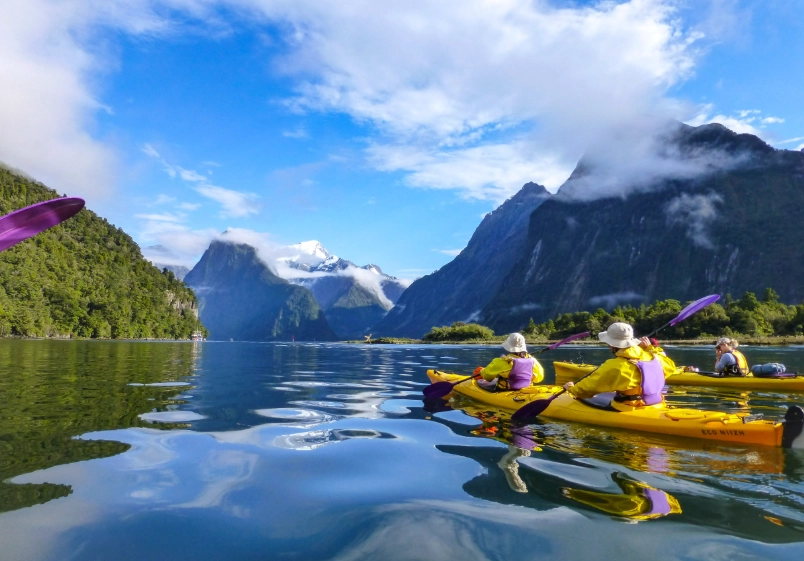
Common Budget Travel Mistakes to Avoid in New Zealand
I've seen travelers blow their budget on avoidable errors.
Mistake 1: Underestimating Driving Distances & Fuel Costs. NZ roads are winding and slow. A 200km drive can take 3.5 hours. Plan shorter daily distances. Fuel is expensive; use the Gaspy app to find the cheapest petrol stations in town.
Mistake 2: Paying Full Price for Activities at the Gate. Never, ever book a major activity like the Milford Sound cruise or a bungy jump by just rocking up. You will pay the maximum retail price. Always check Bookme, the activity's own website for "web specials," or your accommodation for discount vouchers first.
Mistake 3: Relying Solely on Card for Small Purchases. While card is king, having $20-$50 in cash is wise for farmers' market stalls, small donation boxes for DOC (Department of Conservation) tracks, or buying fresh fruit from a roadside honesty box—a delightful Kiwi experience.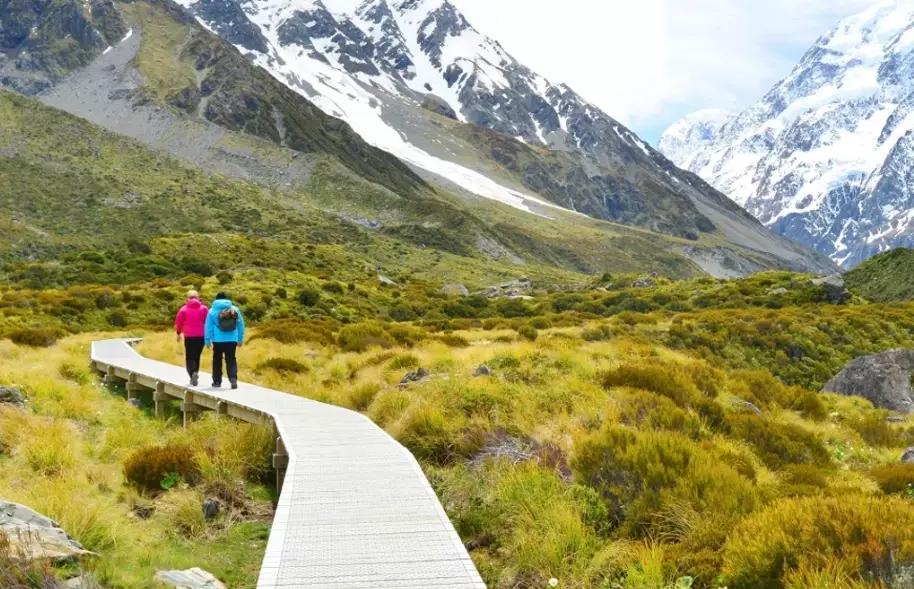
Your New Zealand Budget Travel Questions Answered
Is winter (July-August) actually the cheapest time if I don't ski?
It's a mixed bag. Outside of the ski resort towns (Queenstown, Wanaka, Mt. Ruapehu), July and August can be very cheap for accommodation. However, it's the least pleasant time for hiking, camping, or coastal exploring due to cold, rain, and very short daylight hours. The shoulder months of May/June and September/October offer a better balance of low cost and tolerable conditions for general sightseeing.
Can I still visit Milford Sound and see the glaciers on a shoulder season budget?
Absolutely. Milford Sound is a year-round destination, and the cruises operate daily. In fact, seeing it with snow-capped peaks in May or September is spectacular. The key is booking the cruise on Bookme for a discount. For Franz Josef and Fox Glaciers, the terminal faces have retreated, making the free walks to the viewing points less impressive. The paid guided valley walks are still worthwhile, but the helicopter hikes are the premium, weather-permitting option. Have a backup plan (like the nearby Lake Matheson walk) in case weather cancels flights.
What's the one thing I should splurge on, even in the cheapest season?
A good quality, waterproof jacket and hiking shoes. The weather in shoulder seasons is changeable, especially in the South Island. Being cold, wet, and miserable will ruin your trip faster than anything else. This isn't a place for fashion sneakers. A solid investment in gear will let you enjoy the free and low-cost hikes that make New Zealand special, regardless of a passing shower.
Are there any hidden costs I should budget for in the shoulder season?
Two main ones: heating and road safety. Accommodation, even hostels, may charge extra for heating during colder months, or it may be coin-operated. Ask when booking. Secondly, in May and early June, check the NZTA Journey Planner for alpine pass conditions (like Arthur's Pass, Lindis Pass, the Desert Road). You may need to carry or hire snow chains for your rental car, which is an added cost and responsibility.
I want to see the Southern Lights. Is the cheapest season a good time for that?
Yes, but with a major caveat. The aurora australis is most active during the winter months (May-August) due to longer, darker nights. So, visiting in May or June theoretically increases your chances. However, you need clear, dark skies and a strong solar event. It's a gamble. Your best bet is to head to the southernmost parts of the South Island (Stewart Island, Invercargill, The Catlins) and monitor aurora forecast apps. Don't build your entire itinerary around it, but consider it a potential bonus night-time activity.

Comments
Join the discussion