Let's cut to the chase. Mexico isn't just a single destination; it's a continent packed into one country. You've got Caribbean beaches that look photoshopped, ancient pyramids poking out of jungles, colonial cities painted in outrageous colors, and food that will ruin all other food for you. The problem? Most lists of Mexico tourism places just scratch the surface. They tell you to go to Cancun and Chichen Itza (and you should), but they miss the soul. This guide is different. We'll cover the iconic spots with the nitty-gritty details you need to plan, then dive into the places that will make your trip unforgettable.
What's Inside This Guide?
Why Mexico Should Be Your Next Destination
Forget any single image you have. Mexico's power is in its absurd diversity. You can watch the sunrise over a Mayan temple, eat lunch in a 500-year-old hacienda, and watch the sunset with your feet in the sand of a world-class beach—all in the same day if you're really ambitious. The cost of travel here still offers incredible value compared to many other destinations. The infrastructure for tourism is mature, making it easy to get around, whether you're a first-timer or a seasoned traveler looking to go deeper.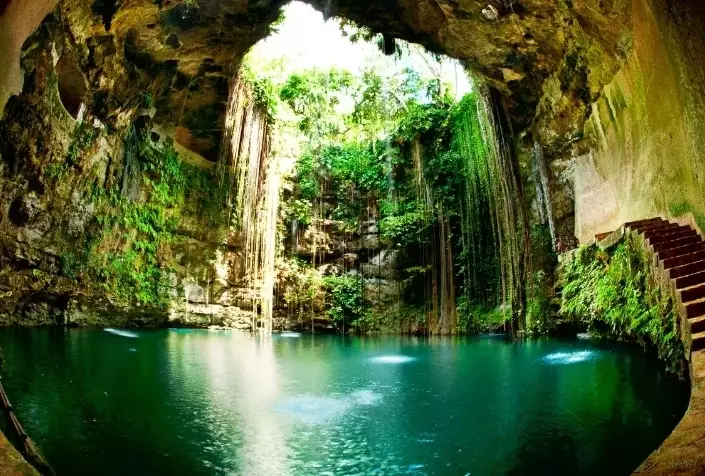
But here's the thing most blogs don't say: Mexico rewards the curious. The difference between a good trip and a great one is often just turning down a side street, saying yes to the taco stand with no English menu, or spending an extra night in a small town.
Mexico's Must-See Tourist Attractions: A Detailed Breakdown
These are the heavy hitters, the places you've seen in pictures. They're popular for a reason. Let's talk about how to see them right.
Chichen Itza: The Iconic Wonder
Address: Carretera Mérida - Puerto Juárez Km. 120, Yucatán. Opening Hours: 8:00 AM - 5:00 PM daily (last entry 4:00 PM). Admission: Approx. 614 MXN (about $35 USD) for foreigners. This includes both the federal and state fees. Buy tickets online from the official INAH website or at the gate.
Everyone goes to Chichen Itza. The pyramid of Kukulcan is mind-blowing. The mistake 90% of visitors make? They arrive at 11 AM on a tour bus, walk the main path in the brutal midday heat with a thousand other people, and leave after two hours feeling cooked and crowded.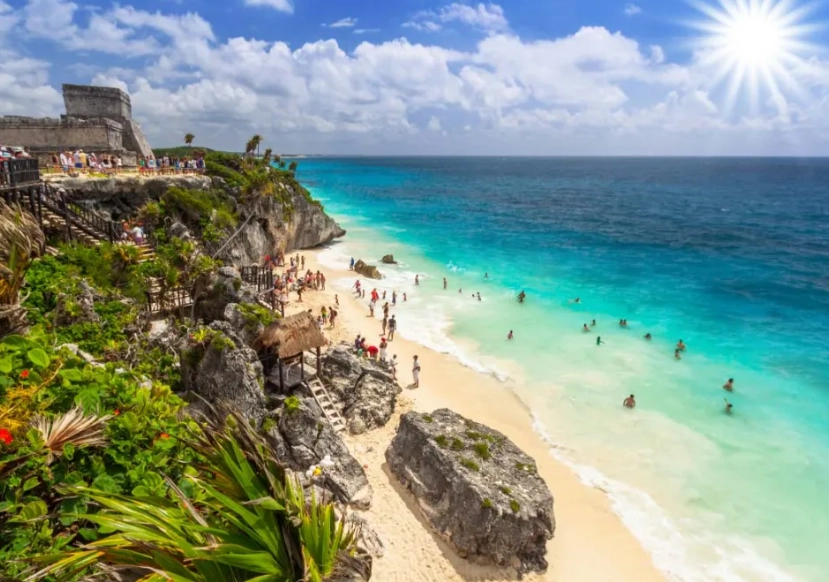
Pro Tip for Beating the Crowds at Chichen Itza
Get there the minute it opens at 8 AM. I'm serious. Be in line by 7:45 AM. You'll have the place almost to yourself for the first glorious hour. The light is better for photos, and the temperature is humane. By 10:30 AM, when the hordes descend, you'll be ready for a cool drink and a nap. Hire a certified guide at the entrance—they bring the stones to life with stories you'd never get from a guidebook.
Getting There: Most people visit from Cancun (2.5-hour drive) or Merida (1.5-hour drive). Renting a car gives you flexibility. ADO buses also run regularly from both cities to the nearby town of Piste, where you can take a short taxi to the site.
Tulum: The Bohemian Cliffside Ruins
Address: Carretera Federal, Cancun - Tulum, Zona Hotelera, Tulum. Hours: 8:00 AM - 5:00 PM. Admission: Around 90 MXN (about $5 USD).
Tulum is unique. It's the only major Mayan city built right on the coast. The view of the Castillo perched above the turquoise Caribbean is iconic. It's smaller than Chichen Itza, so it gets packed. The same early-bird rule applies. Afterwards, walk down to the public access beach below the cliffs for a swim—it's one of the best beaches in Mexico.
The town of Tulum itself has exploded. The beach road is now a strip of trendy, expensive hotels and restaurants. It's beautiful, but it's lost a lot of its rustic charm. For a more authentic and affordable stay, consider the town center ("El Pueblo") and bike or taxi to the beach.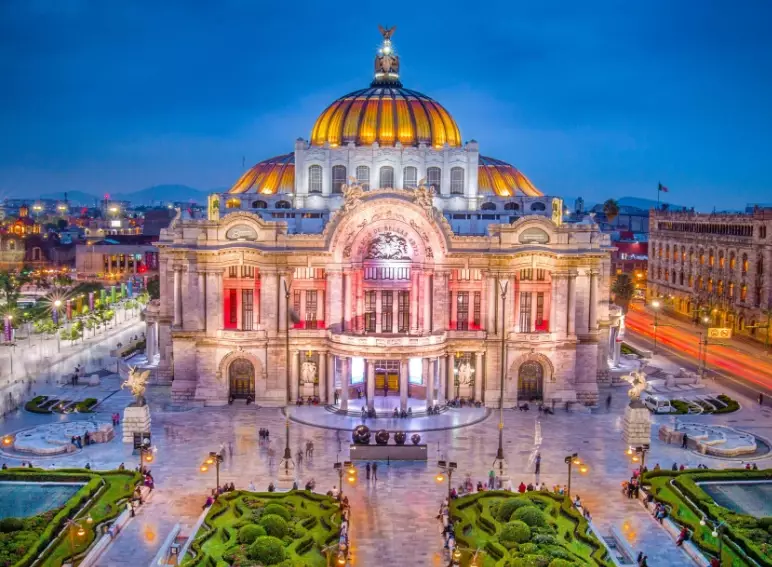
Mexico City's Historic Center & Teotihuacan
You can't talk about Mexico tourism places without its colossal capital. The Zocalo (main square) is one of the largest in the world, flanked by the Metropolitan Cathedral and the National Palace (home to Diego Rivera's epic murals). Just wander. Get lost in the streets. Eat at a fonda.
An hour outside the city lies Teotihuacan, the "City of the Gods." Climbing the Pyramid of the Sun is a workout, but the view over the Avenue of the Dead is worth it. Go on a weekday if you can. Many tours combine it with the Basilica of Guadalupe. I'd recommend doing it independently—take an Uber or a bus from the Terminal del Norte. It gives you control over your time.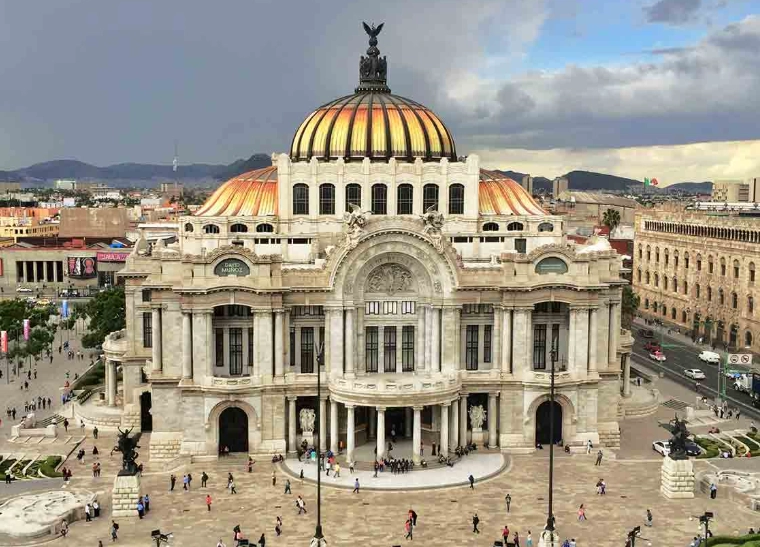
Cancun & The Riviera Maya: The Beach Base
Let's be real. The beaches here are spectacular. Powder-soft white sand, water in shades of blue you didn't think were real. Cancun's Hotel Zone is a master-planned resort strip. It's perfect if you want an easy, all-inclusive vacation with zero fuss. But it feels a bit like a beautiful bubble, disconnected from Mexico.
For more character, head south down the Riviera Maya to Playa del Carmen. It's more walkable, with a lively main street (Quinta Avenida). It's a great base for day trips to Cozumel for diving, to Akumal for swimming with turtles, or to the countless cenotes (natural sinkholes) inland.
Guanajuato: The Storybook City
A personal favorite. This isn't just a pretty place; it's an experience. The city is built in a steep valley, so houses are stacked in a rainbow cascade. There are almost no traffic lights downtown because a network of historic tunnels handles all the cars. You explore on foot. Get the funicular up to the Monumento al Pipila for the postcard view. At night, join the callejoneada—a wandering student-led musical parade through the alleyways. It's pure, joyful magic. Stay in a boutique hotel in the center. The airport is in nearby Leon (BJX).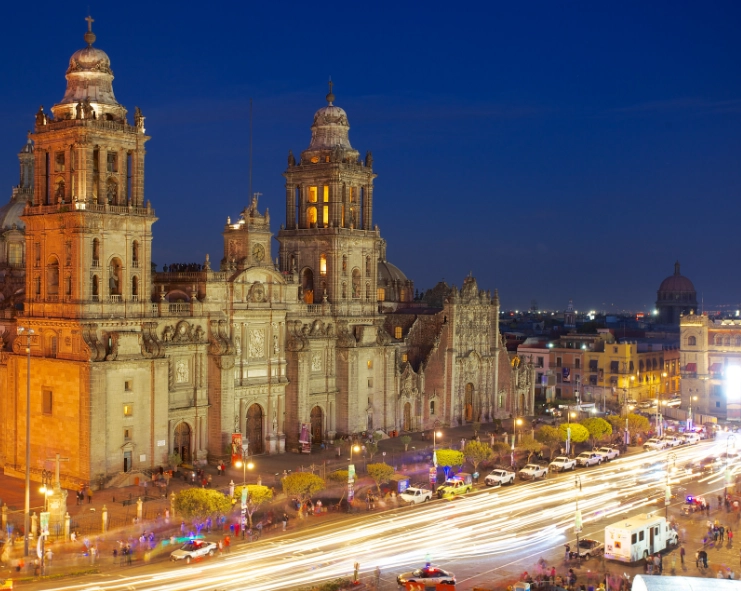
Planning Your Mexico Trip: A Practical Guide
Okay, you're sold on the destinations. Now, how do you actually make it happen?
When to Go & How Long to Stay
High season is December to April (dry, sunny, crowded, expensive). Shoulder seasons (May-June, Oct-Nov) are ideal. Rainy season (July-Sept) brings afternoon showers but lush greenery and lower prices, though watch for hurricanes on the Caribbean side. For a first trip covering highlights (CDMX, a ruins site, and a beach), you need at least 10 days. A week forces you to rush.
Budgeting Realistically
Mexico can be as cheap or as expensive as you make it.
Accommodation: Hostel dorm: $10-20/night. Nice mid-range hotel: $70-120/night. Luxury resort: $300+/night.
Food: Street taco: $1-2. Comida corrida (set lunch): $5-8. Nice restaurant dinner: $25-40 per person.
Transport: Local bus: under $1. Intercity ADO bus (luxury): $20-50 depending on distance. Rental car: $30-50/day.
Activities: Major ruin entry: $20-35. Guided tour: $50-100 per person.
How to Get Around Mexico Efficiently
Domestic flights are cheap and connect major hubs. For ground transport, Mexico's first-class bus network (ADO, ETN) is fantastic—comfortable, reliable, and with WiFi. For the Yucatan Peninsula or exploring colonial towns, renting a car is the ultimate freedom. Roads are generally good. Just get full insurance. In cities, Uber operates in most major places and is safer and cheaper than hailing random taxis.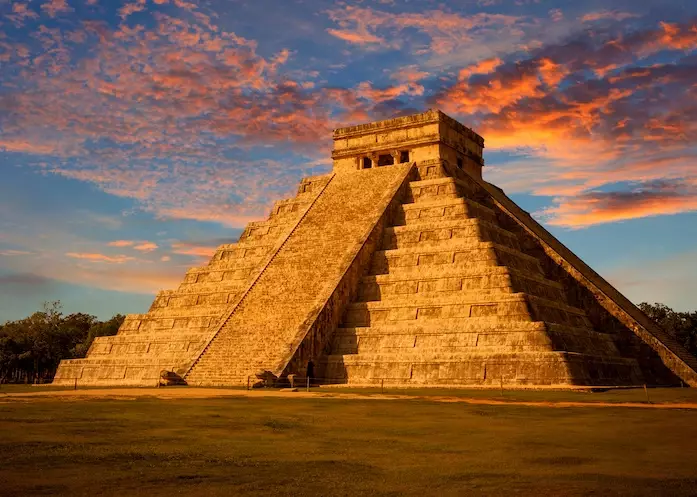
A Sample 7-Day Yucatan Itinerary
Let's assume you fly into Cancun (CUN).
Day 1-2: Recover from jet lag in Playa del Carmen. Swim in a cenote like Gran Cenote or Dos Ojos.
Day 3: Early morning trip to Tulum ruins. Afternoon on Tulum beach or in a beach club.
Day 4: Rent a car. Drive to Valladolid (charming colonial town). Visit Cenote Suytun for that famous Instagram shot.
Day 5: 8 AM at Chichen Itza. Afternoon drive to Merida. Evening stroll and dinner in Merida.
Day 6: Explore Merida's markets and historic center. Or take a day trip to the flamingos in Celestun.
Day 7: Drive back to Cancun airport (allow 3.5 hours).
Beyond the Beaten Path: Mexico's Hidden Gems
If you have more time or want a second trip, these are the places that locals love.
San Miguel de Allende: Yes, it's known to expats, but it earns the hype. The parroquia (church) looks like a pink wedding cake. It's an art and food hub. It's not cheap, but it's stunning. Perfect for a romantic getaway.
Oaxaca City: The undisputed culinary capital of Mexico. Take a cooking class. Visit the nearby ancient site of Monte Alban. The markets here are next-level. The vibe is artsy, indigenous, and deeply authentic.
Bacalar: Called the "Lake of Seven Colors" for its staggering shades of blue. It's a freshwater lagoon south of Tulum. It's chill, eco-focused, and perfect for kayaking, sailing, and just staring at the water. It's what Tulum was 15 years ago.
Mexico Travel FAQs Answered
Is it safe to travel to Mexico right now?
This is the number one question. The answer is nuanced. The major tourist zones (Cancun's Hotel Zone, Riviera Maya, Los Cabos, Puerto Vallarta, San Miguel, Oaxaca City) have a heavy security presence and millions of visitors have safe, wonderful trips every year. Petty crime like pickpocketing can happen in crowded areas, just like in any major city worldwide. The key is to stay informed about specific regions (check your government's travel advisories), don't flaunt wealth, use official taxi services or Uber, avoid traveling with large amounts of cash, and be especially cautious at night outside of well-trafficked tourist centers. Most safety issues are related to inter-cartel violence, which tourists are almost never involved in.
What's the biggest mistake first-time visitors make in Mexico?
Only staying in the resort bubble. If you spend your entire vacation in an all-inclusive in Cancun, you haven't really been to Mexico. You've been to a very nice, Mexican-themed resort. Venturing out, even just on a day trip to a nearby town or ruin, is essential. The other mistake is trying to do too much. Mexico is huge. Pick a region (like the Yucatan or Central Highlands) and explore it deeply rather than bouncing between coasts.
Do I need to speak Spanish to get by?
No, but it helps immensely. In tourist hotspots, you'll find English spoken in hotels, tour agencies, and many restaurants. But the moment you step off the main drag, basic Spanish is key. Learn phrases for ordering food, asking for directions, and stating prices. Even a little effort is met with warmth and appreciation. It transforms interactions from transactional to personal. Download Google Translate's offline Spanish pack as a backup.
Is the water really unsafe to drink?
In most places, yes. Stick to bottled or purified water ("agua purificada"). This includes avoiding ice in drinks at street stalls unless you confirm it's made from purified water (most restaurants in tourist areas use purified ice). Brushing your teeth with tap water is generally fine, but I avoid it. A reusable bottle with a filter is a great eco-friendly solution.
Mexico is waiting. It's more accessible, more diverse, and more rewarding than you might think. Ditch the cookie-cutter itinerary. See the big sights smartly, then get lost somewhere beautiful. That's where the real magic happens.
Comments
Join the discussion