Let's cut straight to the point. The vast majority of New Zealanders hold genuinely positive views towards Americans. There's a foundational warmth and curiosity that defines the Kiwi-American relationship. But like any international friendship, it's layered with nuance, occasional friction from cultural differences, and a fair share of stereotypes on both sides. As someone who's split time between both countries and has had countless conversations in Auckland pubs and Wellington cafes, I can tell you the sentiment is far more complex and interesting than a simple "they like us" or "they don't like us." It's a relationship built on shared history, pop culture saturation, and a mutual, if sometimes bemused, fascination.
Your Quick Guide to Kiwi-American Vibes
Understanding the Kiwi-American Dynamic
To get why Kiwis feel the way they do, you need a bit of context. New Zealand is a small, geographically remote nation of about 5 million people. American culture, through Hollywood, music, and tech giants, is omnipresent. This creates a familiarity—Kiwis grow up watching American shows, listening to American music, and following American politics. You're not an unknown quantity.
The historical ties are significant, too. While the ANZUS security treaty has had its ups and downs, the cooperation during WWII and the general alignment on democratic values create a bedrock of goodwill. In my experience, Kiwis often express appreciation for American innovation, optimism, and can-do attitude. They admire the scale of ambition. I remember a winemaker in Marlborough telling me, "You Yanks don't think small, and sometimes that's exactly what we need to see."
However, this familiarity breeds a specific kind of critique. Because Kiwis feel they know America so well from media, they also feel acutely aware of its social and political problems. Discussions about healthcare, gun violence, or political polarization often come up not from a place of malice, but from a genuine, puzzled concern. The tone is more, "We see what's happening to our friends, and we're worried," rather than judgment.
The Core Insight: The relationship is asymmetrical. America looms large in the Kiwi consciousness, while New Zealand is a specific, often idealized dot on the map for most Americans. This imbalance isn't resented, but it does mean Kiwis are often the more informed party in the cultural exchange, which can lead to interesting conversations.
Common Perceptions and Stereotypes (The Good, The Bad, The Funny)
Let's break down the specific impressions. It's not monolithic, but these themes pop up consistently.
The Positive Associations
Kiwis generally see Americans as:
- Friendly and Outgoing: The classic American friendliness is noted and usually appreciated. That willingness to strike up a conversation with a stranger is seen as positive, if occasionally a bit full-on.
- Generous and Enthusiastic: Tipping culture aside, Americans are perceived as generous tippers and enthusiastic participants. On guided tours, American tourists are often the ones asking the most questions and engaging most openly with guides.
- Optimistic and Ambitious: The "can-do" spirit is admired, even if it sometimes clashes with the more reserved Kiwi "she'll be right" attitude.

The Stereotypes & Points of Friction
This is where it gets real. The critiques aren't about Americans as people, but about behaviors that clash with local norms.
- Volume and Directness: The number one complaint I hear, whispered with a smile, is about volume. Americans in cafes or on hiking trails are often perceived as speaking louder than necessary. Related to this is a directness in communication that can come across as brash or boastful to ears accustomed to understatement.
- The "World Center" Assumption: A subtle but real friction point is the assumption that American norms are global norms. Asking for iced water everywhere, being surprised by portion sizes, or discussing domestic politics as if everyone follows them minute-by-minute can mark someone as a novice traveler.
- Political Caricatures: Thanks to media, the loudest political extremes often define the image. Kiwis are often surprised to meet Americans who don't fit the blue/red caricature.
| Perception | Common Kiwi View | Traveler Tip to Counter It |
|---|---|---|
| Friendliness | Genuinely appreciated, a plus. | Keep it up, but dial back the volume by 20% in quiet spaces. |
| Directness | Can be seen as arrogant or pushy. | Use more qualifiers: "Perhaps," "Maybe," "I was wondering if..." |
| Tipping | Confusing & sometimes awkward. | Don't insist. In cafes, rounding up is fine. For great table service, 5-10% is a generous surprise. |
| Politics | A source of fascination and concern. | Let them ask. Offer nuanced, personal perspectives, not cable news talking points. |
The Cultural Nuances That Really Matter
This is where most online guides stop. But the real magic (and potential for missteps) lies in the subtle stuff.
Tall Poppy Syndrome vs. The American Dream: New Zealand has a strong social ethic of "Tall Poppy Syndrome"—cutting down those who rise too high or boast too much. The American ethos of celebrating individual success and vocal self-promotion directly conflicts with this. An American talking openly about their career achievements or income might intend to share excitement, but it can make Kiwis uncomfortable. The advice? Let your achievements be discovered, not announced.
Understatement is a Superpower: A Kiwi calling something "not bad" means it's fantastic. Saying they're "a bit keen" on an idea means they're fully committed. This linguistic downplaying is a core part of the humor and social fabric. Taking every statement at face value is a mistake. When a local says a hike is "a bit steep," prepare for a mountain.
Informality with Boundaries: New Zealand is fiercely informal. You call everyone by their first name, from the CEO to the bartender. But this informality isn't an invitation for over-familiarity. There's still a reserved personal space, both physical and conversational. Jumping into deeply personal topics too quickly can feel intrusive, despite the casual setting.
Actionable Tips for American Travelers & Expats
Want to be the American that Kiwis rave about after you leave? It's easy. Follow these field-tested guidelines.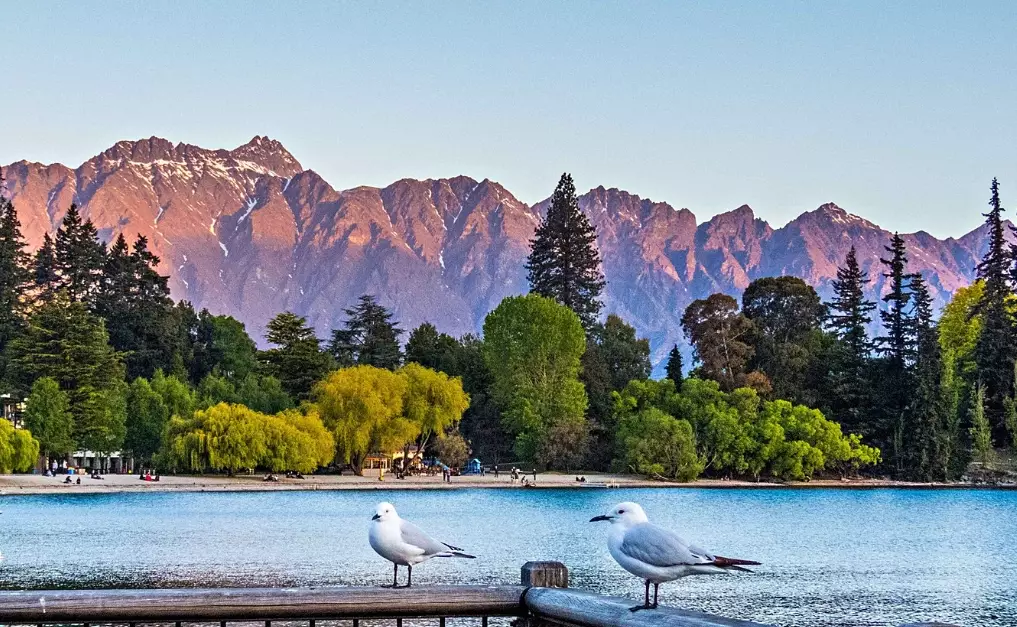
Conversation Starters That Work (and Ones to Avoid)
Do: Ask about their favorite local beach, hiking trail, or coffee spot. Ask for their opinion on the best way to see something. Compliment the natural beauty (it never gets old for them). Talk about travel, food, and rugby (if you know a little).
Avoid: Leading with U.S. politics. Comparing everything to "back home" ("In Texas, our steaks are bigger!"). Assuming they know or care about the intricacies of your state's laws. Asking if they have kangaroos (this is a joke, but it happens).
Social Etiquette: The Unwritten Rules
- Footwear: You will be asked to take off your shoes when entering a Kiwi home. It's non-negotiable. Just do it.
- Bring a Plate: If invited to a BBQ or gathering and told to "bring a plate," it means bring a plate of food to share, not just an empty plate.
- Punctuality: Be on time. Social events are more relaxed, but for appointments and tours, Kiwi time is on time.
- The Coffee Ritual: Coffee is a serious craft. Walk into a cafe and order a "flat white." Skip the complicated Starbucks-style orders. Sit down and enjoy it.
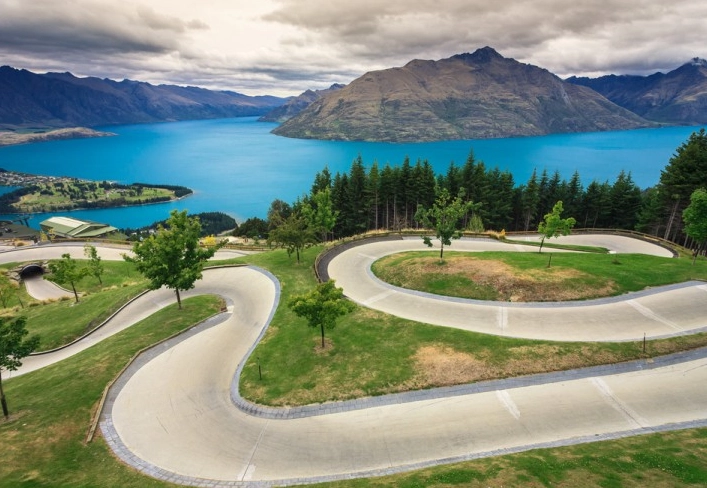
Here's a scenario: You're at a holiday park in Queenstown chatting with a Kiwi family. Instead of leading with "I'm from California," try observing something specific: "The light on the Remarkables this evening is incredible. Do you get used to views like this?" You've shown appreciation, asked for their local perspective, and opened a genuine channel.
Your Questions, Answered by Experience
The biggest mistake is coming in with the mindset of "how we do it better back home." Whether it's work processes, social norms, or cafe culture, leading with comparisons frames you as a critic, not a colleague. The first six months should be an observation period. Listen more than you speak. Adopt the local phrases ("sweet as," "chur," "good on ya"). Kiwis respect those who make an effort to integrate, not those who expect the environment to adapt to them. I've seen incredibly skilled American professionals struggle because they couldn't drop this know-it-all posture.
Self-awareness is 90% of the battle. Simply by asking this, you're ahead. Practice modulating your voice indoors—imagine you're in a library or a nice restaurant. In conversations, make a conscious effort to ask questions about New Zealand and listen to the answers. Instead of saying "This is beautiful," try "What's your favorite thing about living near this landscape?" This flips the dynamic from broadcasting to engaging. And smile. A genuine, quiet smile goes further than a booming hello. Most Kiwis are patient and forgiving with tourists who are clearly trying; it's the oblivious ones that wear out their welcome.
It's less anti-American and more anti-what-they-see-in-the-news. The sentiment is directed at political figures, systems, or policies, not at you as an individual. In a decade of discussions, I've never encountered blanket hatred towards Americans as people. I have, however, been part of many passionate, well-informed debates about U.S. foreign policy or domestic issues. The key is to separate yourself from your government. You can say, "As an American, I also find that policy frustrating," or "It's a complex issue back home, and here's how it affects my community." This shows you're a thinking individual, not a national stereotype, and immediately builds common ground.
This causes more anxiety than it should. Here's the simple rule: Tipping is not expected, but it is appreciated for exceptional service. Do not feel obligated. In a cafe, rounding up the bill or leaving the change is perfectly fine. For a sit-down meal with great, attentive service, rounding up or leaving 5-10% is a lovely gesture that will be received with genuine thanks. For a multi-day tour with an amazing guide, a cash tip at the end from the group is standard. The crucial thing is to not make a big, performative deal out of it. Slip it to them with a quiet "thanks so much for everything." The American-style ritual of calculating percentages at the table is unnecessary and can make Kiwi dining companions uneasy.
 The bottom line is this: New Zealanders like Americans. They really do. They find us interesting, engaging, and friendly. Any friction almost always stems from cultural missteps, not malice. By approaching Aotearoa with curiosity, a slightly quieter voice, and a willingness to embrace the local pace, you'll find one of the warmest, most rewarding welcomes in the world. The relationship is less about perfect understanding and more about mutual respect and a shared laugh over the differences. And that's the foundation of a great friendship.

Comments
Join the discussion