Let's cut to the chase. Is Fiji expensive for tourists? The short answer is: it can be, but it absolutely doesn't have to be. The perception of Fiji as a purely luxury, overwater-bungalow destination is a marketing triumph that hides a more complex, and budget-friendly, reality. I've spent weeks hopping between islands, and the cost difference between staying at a five-star resort on a private island and a family-run guesthouse on the main island is like comparing a champagne dinner to a satisfying street food feast. Your total Fiji travel cost hinges almost entirely on one decision: where you choose to sleep and eat.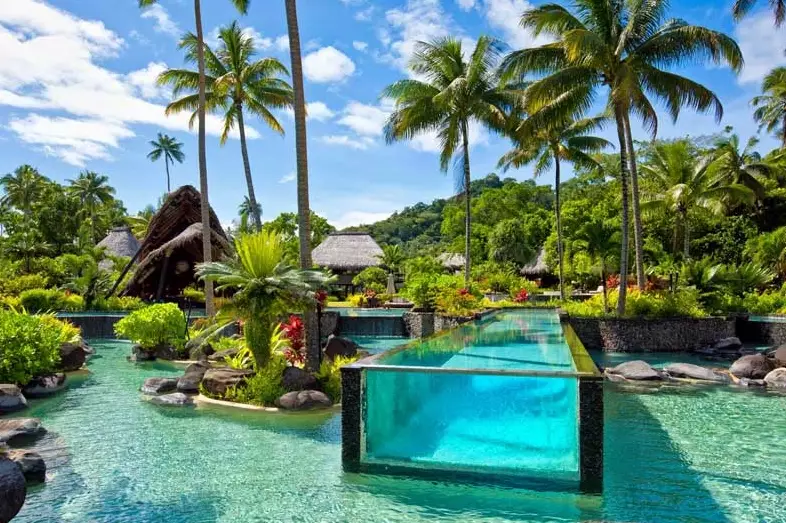
Your Fiji Budget Trip Navigator
Where the Money Really Goes: Accommodation Costs
This is the make-or-break category. Fiji's accommodation scene is a tale of two worlds.
Luxury & Resort Islands
Think Yasawa or Mamanuca island groups. Places like Likuliku Lagoon Resort or Vomo Island Fiji. You're looking at $800 to $1,500+ USD per night for an all-inclusive overwater villa. The price includes meals, some activities, and breathtaking isolation. You're paying for exclusivity and service. A common mistake first-timers make is assuming all island stays are this price. They're not.
Mainland & Budget-Friendly Islands
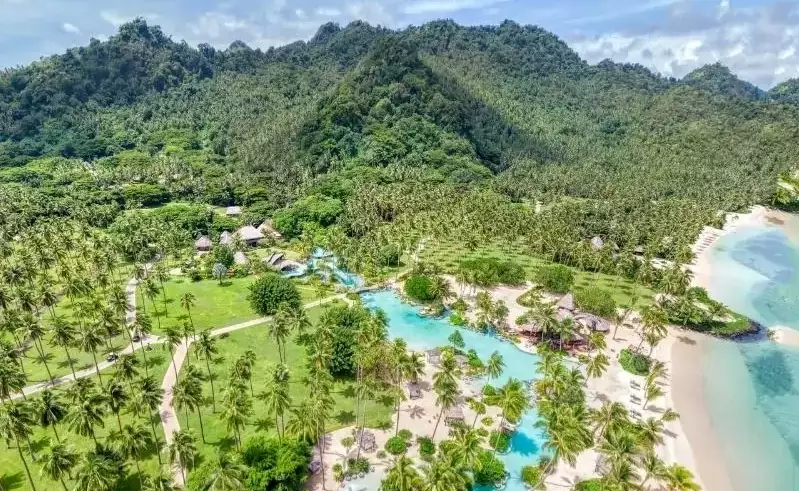
This is where you control your costs. On Viti Levu (main island) around Nadi or the Coral Coast, or on islands like Taveuni or Vanua Levu with local communities, options abound.
- Hostels & Backpacker Lodges: Dorm beds from $20-35 USD per night. Private rooms in these places can go for $60-90. Check out Bamboo Travellers House in Nadi for a social vibe.
- Mid-Range Hotels & Resorts: Comfortable, often beachfront properties like the Fiji Gateway Hotel (near Nadi Airport) or The Beachhouse on the Coral Coast. Expect $120-$250 USD per night for a double room, sometimes including breakfast.
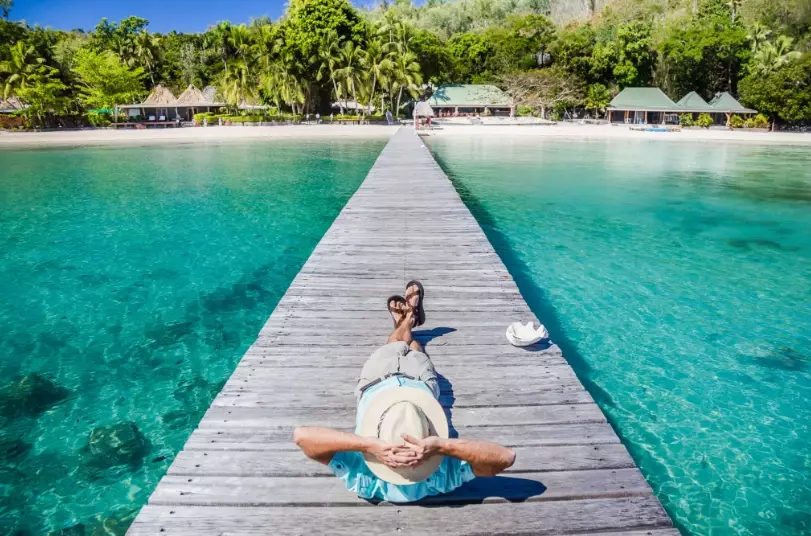
- Local Guesthouses & Homestays: The secret weapon for a budget trip to Fiji. On islands like the Yasawas, you can find simple, clean bure (traditional huts) run by local villages for $50-$120 USD per night, including all meals (a huge cost saver). Places like Octopus Resort (LikuLiku, Yasawa) offer a fantastic mid-point between backpacker and luxury.
Eating & Drinking on a Budget (Yes, It's Possible)
Resort food is expensive. A main course can easily be $40-60 FJD ($18-27 USD). But step outside the resort gates.
- Local Markets & Roadside Stalls: Nadi Market is a must. Get a heap of tropical fruit (pineapple, mango, papaya) for under $5 FJD. Try a "lovo" pack (earth oven-cooked meats and root vegetables) for about $10-15 FJD.
- Indian & Chinese Restaurants: Fiji has fantastic, affordable Indian food due to its large Indo-Fijian community. A massive curry and roti meal in Nadi Town at places like Tu's Place or Sitar Restaurant will cost $15-25 FJD.
- Supermarkets: Self-catering is a huge saver. A loaf of bread is ~$3 FJD, local tuna cans are cheap. Stock up on snacks and breakfast items.
- Kava Sessions: Participating in a kava ceremony (the local social drink) is often free or involves a small contribution (a $10 FJD bundle of kava root, called "waka," is a polite offering). It's a priceless cultural experience for minimal cost.
Drinks? Local beer (Fiji Bitter, Fiji Gold) is about $5-7 FJD in a shop, double that at a resort. Imported wine and spirits are heavily taxed and very pricey.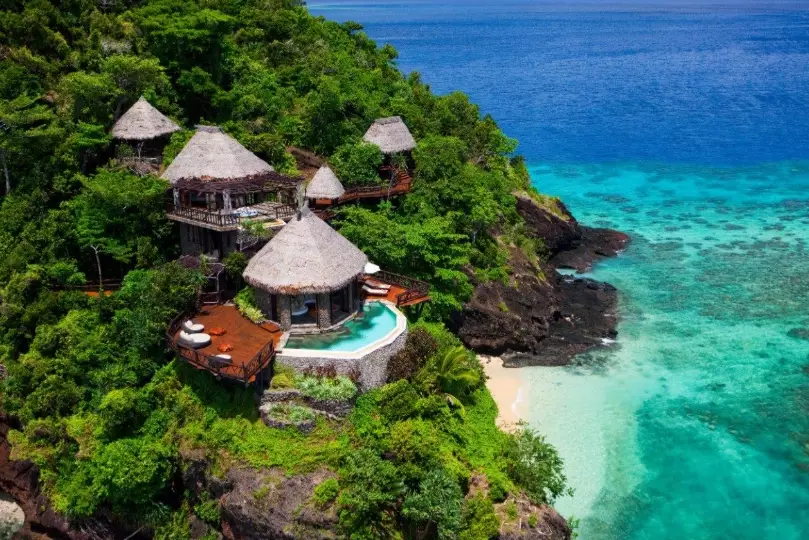
Activities & Transport: The Hidden Budget Killers
| Activity / Transport | Approximate Cost (per person in FJD) | Budget-Friendly Alternative |
|---|---|---|
| Scuba Diving (2-tank boat dive) | $300 - $450 FJD | Snorkeling trip ($80-$150 FJD). Many reefs are accessible from shore for free at places like the Coral Coast or Mana Island. |
| Helicopter Tour (30 mins) | $500 - $800+ FJD | Scenic boat transfer through the Mamanucas. The views are almost as good for a fraction of the price. |
| Sigatoka River Safari (Jet boat + village visit) | $250 - $300 FJD | Local bus to Sigatoka Town + visit the Sigatoka Sand Dunes National Park (park fee ~$10 FJD). |
| Ferry to Yasawa Islands (return) | $300 - $400 FJD (Awesome Adventures Fiji Bula Pass) | Focus on the closer Mamanuca Islands (return ferry ~$120-$180 FJD) or stay on Viti Levu and do day trips. |
| Domestic Flight (Nadi to Taveuni) | $250 - $400 FJD return | Take the bus and ferry to Savusavu (Vanua Levu) for a more offbeat experience at lower cost. |
Transport between islands is a major cost. The Awesome Adventures Fiji Bula Pass is a popular and flexible option for island hopping, but it's still a significant upfront expense. A cheaper alternative is to base yourself in one or two locations and explore deeply.
Realistic Daily Budgets: From Backpacker to Luxury
Let's translate this into numbers. (All in USD for clarity).
- Budget Backpacker: $40 - $70 per day. Dorm bed, self-catered or market/local food, free activities (hiking, beach, village visits), local buses.
- Comfortable Mid-Range: $100 - $200 per day. Private room in a guesthouse or 3-star hotel, mix of local meals and occasional restaurant splurge, 1-2 paid activities per week, island ferry trips.
- Luxury Resort Experience: $400 - $1000+ per day. All-inclusive resort on a private island, all meals and premium drinks, multiple guided tours, spa treatments, and transfers.
Most people I meet fit into the mid-range. They might splurge on 3 nights at a nice resort and then spend 7 nights at a guesthouse, averaging out their daily cost.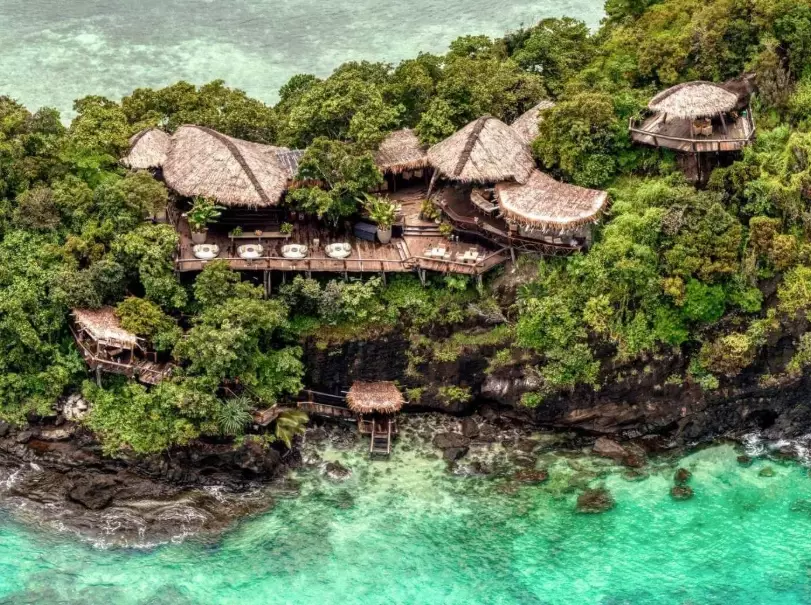
How to Save Money on Your Fiji Trip: Pro Tips
Here's the advice you won't find on every generic travel blog.
Travel in the Shoulder Season. April-May and October-November. You avoid the peak Aussie/Kiwi school holiday prices (Dec-Jan, July), and the weather is still great. The "wet season" (Nov-Apr) risk is often overstated—you get short, heavy showers followed by sun.
Book Inter-Island Ferries in Advance, But Not Too Early. Ferry companies like South Sea Cruises often have early-bird sales 3-4 months out. But sometimes last-minute "pack and go" deals pop up. Be flexible.
Embrace the "Coral Coast" on Viti Levu. Stretching from Sigatoka to Suva, it's lined with affordable resorts, has great beaches (like Natadola), and is easily accessible by cheap local buses ($2-5 FJD for a long ride). You get the postcard views without the private-island price tag.
Skip the Bottled Water. Tap water in major towns and resorts is generally safe to drink. Bring a reusable bottle. You'll save $5-10 FJD daily and help reduce plastic—a huge issue in the Pacific.
The biggest saver? Slow down. The more you island-hop, the more you spend on ferries and flights. Pick one or two bases, stay longer, and connect with the place. Fiji's magic is in its people and pace, not just ticking off islands.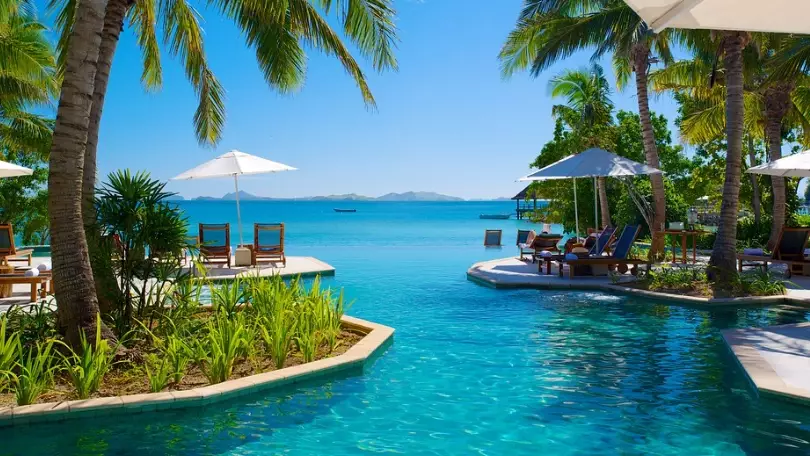
Your Fiji Cost Questions Answered
 How much cash should I carry versus using cards?
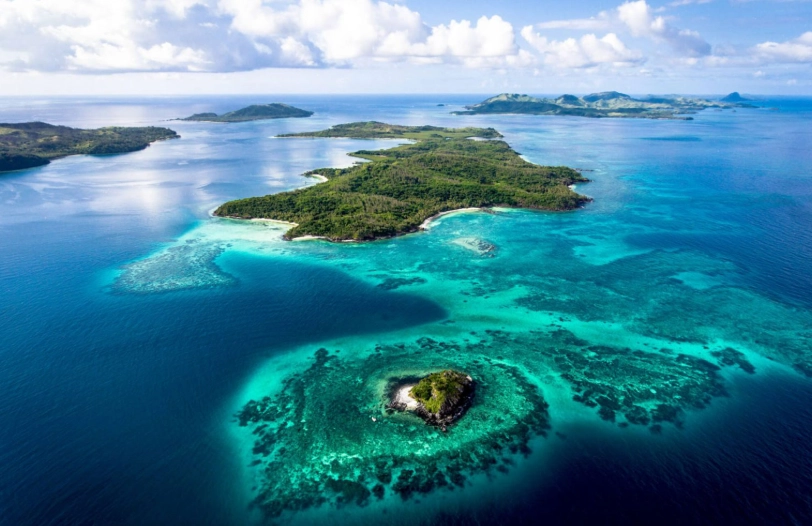 So, is Fiji very expensive for tourists? It's a choose-your-own-adventure. You can easily spend a small fortune on a secluded paradise. But with some planning, flexibility, and a willingness to step off the resort path, you can experience the heart of Fiji for a cost comparable to many other beach destinations. The value isn't just in the luxury; it's in the turquoise water, the genuine "Bula!" spirit, and the chance to truly disconnect. Your budget is the key that decides which door to paradise you open.
Comments
Join the discussion