Ask ten travelers the best month to go to Spain, and you might get ten different answers. That's because Spain isn't a monolith. The ideal time for a beach holiday in Andalusia is worlds apart from the perfect moment for hiking in the Pyrenees or gallery-hopping in Madrid. Having spent years traveling there, I've learned the hard way that the "best" time is less about a universal calendar date and more about aligning the season with your personal travel DNA.
Let's cut through the generic advice. This guide won't just tell you May is nice. We'll dissect each month, weigh the crowds against the weather, factor in those incredible local festivals most blogs miss, and give you the tools to decide for yourself. Forget the one-size-fits-all approach. Your perfect Spanish month is waiting.
Your Quick Guide to Spanish Seasons
Spain Month-by-Month: Weather, Crowds & Events
Here’s the raw data, seasoned with a bit of on-the-ground reality. This table compares the key factors, but the real insights are in the details below.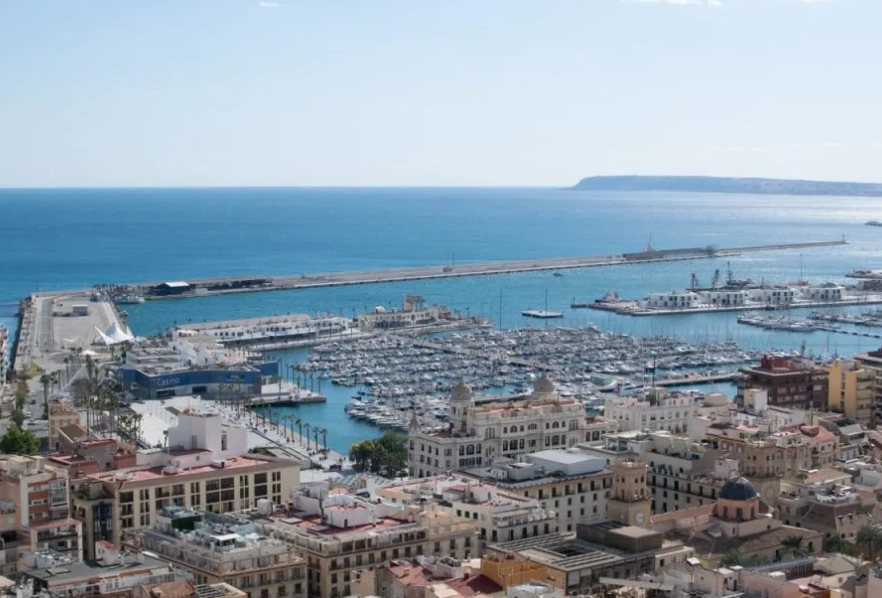
| Month | Avg Temp (Madrid) | Crowd Level | Key Consideration | Best For |
|---|---|---|---|---|
| January | 6°C / 43°F | Low | Cold inland, mild south. Sales & Three Kings. | City breaks, skiing, budget travel. |
| February | 8°C / 46°F | Low-Medium | Carnival! (Cádiz, Tenerife). Can be rainy in north. | Festival lovers, Canary Islands. |
| March | 11°C / 52°F | Medium | Spring begins, Easter (Semana Santa) variable. | Cultural trips, hiking in south. |
| April | 13°C / 55°F | High (if Easter) | Perfect temps. Seville's April Fair. Book early. | All-round travel, gardens, festivals. |
| May | 17°C / 63°F | High | Peak of spring. Ideal weather almost everywhere. | Sightseeing, countryside, coast. |
| June | 22°C / 72°F | Very High | Start of summer. Long days. San Juan bonfires. | Beach start, nightlife, northern Spain. |
| July | 25°C / 77°F | Peak | Hot inland. Packed coasts. Running of the Bulls. | Beach holidays, festivals, avoiding cities. |
| August | 25°C / 77°F | Peak | National holiday month. Many locals closed. | Coastal resorts, islands. Avoid Madrid/Barcelona. |
| September | 20°C / 68°F | High | My personal favorite. Sea warm, crowds thinning. | Wine harvest, beach, culture, hiking. |
| October | 15°C / 59°F | Medium | Autumn colours. Pleasant south. Rainier north. | Food & wine, city breaks, southern Spain. |
| November | 9°C / 48°F | Low | Quiet, cooler. All Saints' Day. Start of ski season. | Budget travel, cultural sights, Canaries. |
| December | 6°C / 43°F | Low-Medium | Christmas markets. New Year's Eve grapes tradition. | Christmas spirit, skiing, southern coast. |
Now, let's talk specifics you won't find in every guide.
The Overlooked Gems of Each Season
Everyone praises May. It's deserved. But here's what they don't say: late September into early October offers nearly identical weather to May, but with significantly fewer tour groups. The sea has been warming all summer, so swimming is actually better. I once had a stretch of Costa Brava cove almost to myself in late September, a scene impossible in July.
February is criminally underrated if you avoid the ski resorts. In cities like Granada or Seville, you'll find crisp, sunny days perfect for walking, with no queues at the Alhambra. The catch? It can be chilly at night. Pack a proper jacket, not just a light sweater.
A common mistake is writing off November. Yes, it can be damp. But for a pure city break focused on art and food—think Madrid's Prado Museum followed by a long, leisurely vermouth session—it's brilliant. Flights and hotels are cheap, and you have the galleries to yourself.
Spain's Climate Zones: It's More Than Just Sun
Treating Spain as one weather zone is the biggest planning error. The country has at least five distinct climates.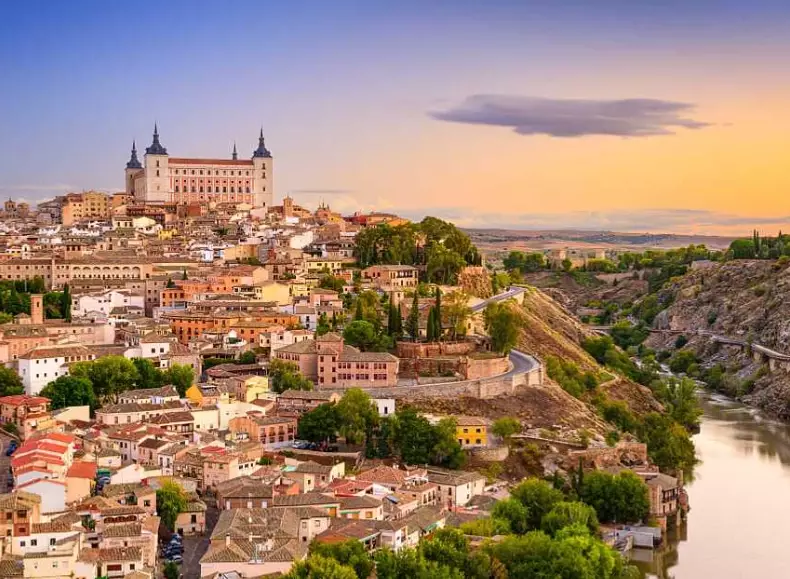
The Mediterranean Coast (Barcelona to Costa del Sol): Milder winters, hot dry summers. The sweet spot is April-June and September-October. July-August on the Costa Brava or Costa Blanca is a furnace of heat and humanity. A pro tip: head to lesser-known stretches like the Costa de Almería for more space.
The Interior (Madrid, Castilla-La Mancha): Continental climate. This means extremes. Winters are genuinely cold (I've seen frost in Madrid in April), and summers are scorching. Spring (April-May) and Autumn (September-October) are short but perfect. In summer, do as the locals do: sightsee early, siesta indoors from 2-6 pm, and live for the evening.
The North (Galicia, Basque Country, Asturias): Atlantic climate. Green, lush, and rainier. Summer is the prime time here—it's warm but rarely unbearably hot, perfect for hiking the Camino or surfing. Don't come expecting guaranteed sun; pack a rain layer even in July. San Sebastián in June is a dream.
The South (Andalusia): Hotter and drier. Spring starts earlier. You can comfortably sit outside in Seville in March. But from mid-June to September, the heat is intense, especially inland. This is when to focus on the coast (Cádiz, Málaga) or the higher altitudes of the pueblos blancos.
The Islands: The Canaries have eternal spring. You can swim year-round. The Balearics (Mallorca, Ibiza) have a classic Med season. Ibiza in October is a different, more relaxed island altogether—the clubs are closed, but the weather and sea are glorious.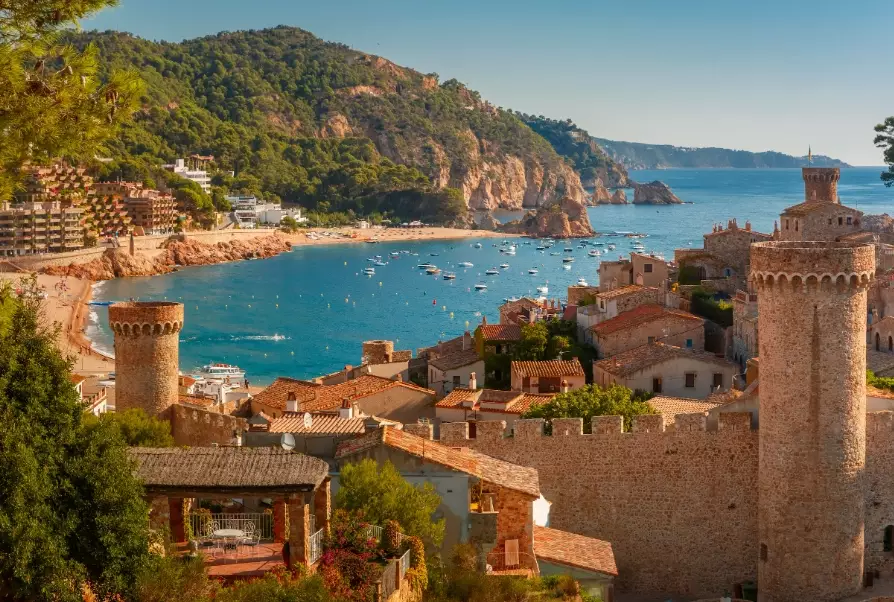
Matching Your Trip Type to the Perfect Season
The Quick-Decision Helper
For Beach & Sun Lovers: Stick to June, July, August, or September. For fewer crowds, choose June or September. The water is warmest in September.
For City Breaks & Culture: April, May, September, October. You'll walk for miles in comfort. Avoid July/August in cities like Madrid or Córdoba—it's exhausting.
For Hikers & Outdoor Adventures: Northern Spain: June-September. Southern Spain & Islands: March-May & September-October. The Pyrenees: July-September for high trails.
For Food & Wine Tours: September-October for the grape harvest (La Rioja, Priorat). April-May for spring produce and pleasant terrace dining.
For Budget Travelers: November-February (excluding Christmas/New Year). Flights and accommodation can be half the price. Just layer up.
A 7-Day Spring Itinerary for Andalusia (April/May)
Let's make this concrete. Here’s a week designed to capture spring at its best, avoiding the peak summer crush.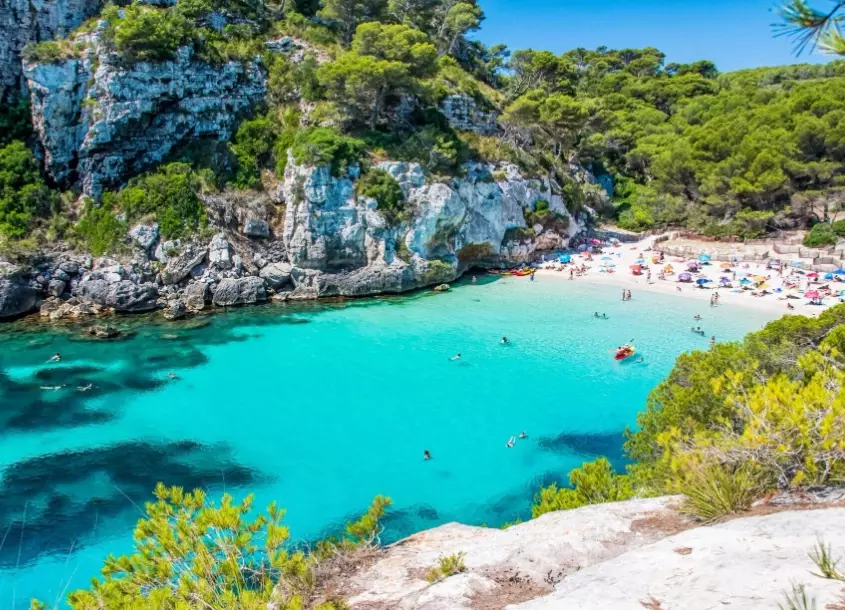
Day 1-2: Seville
Fly into Seville (SVQ). Stay in the Santa Cruz district. Must-dos: the Cathedral & Giralda (book a 9 AM slot online to avoid lines), the stunning Real Alcázar (book weeks ahead), and wander Triana across the river. If your trip coincides with the Feria de Abril (two weeks after Easter), you're in for a spectacle of flamenco dresses and casetas. Dinner at El Rinconcillo, Spain's oldest bar, for tapas.
Day 3: Day Trip to Córdoba
45-minute high-speed train. Go for the Mezquita-Catedral. The key is to arrive for opening (10 AM Mon-Sat, 8:30 AM Sun) to see the famous forest of columns in quiet light. Stroll the flower-filled patios in the Jewish Quarter (especially in May during the Patio Festival). Lunch at Taberna Salinas for traditional stews.
Day 4-5: Granada
Train or drive to Granada. This is all about the Alhambra. Book your timed entry for the Nasrid Palaces the second tickets are released (official site: Alhambra.org). An afternoon slot lets you explore the gardens in the morning. Spend an evening in the Albayzín watching the sunset over the Alhambra from the Mirador de San Nicolás. For a unique, budget-friendly stay, consider the Carmenes de la Alhambra area—beautiful guesthouses with gardens.
Day 6-7: Costa del Sol (Nerja)
Drive or take a bus to Nerja, not Marbella. It's a prettier, more laid-back town. Visit the Balcón de Europa, explore the Nerja Caves (Cueva de Nerja), and spend a day on Burriana Beach. The water in May might be brisk for some, but the sunbathing is perfect. Fly out from Málaga (AGP), a short drive away.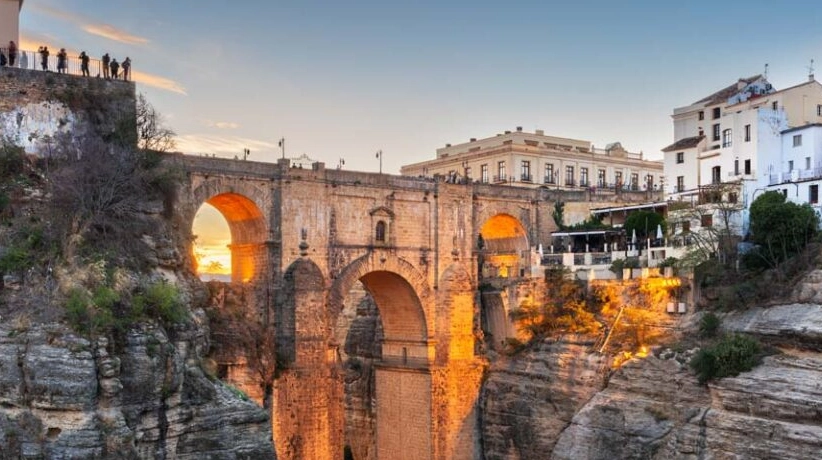
Beyond the Brochure: Tips from a Frequent Traveler
Local festivals can make or break your trip. Pamplona's San Fermín (July) is chaos—great if that's your goal, terrible if you dislike crowds. Smaller towns have more authentic fiestas. Check the Spanish Tourism Board's festival calendar.
Accommodation gets weird in August. In cities, it's cheap because everyone's gone to the coast. In coastal resorts, it's packed and pricey. Many family-run shops and restaurants in cities like Barcelona or Madrid close for the entire month. Plan accordingly.
Shoulder season is king. I've planned three trips for late September. Each time, I got summer weather, cultural energy as cities come back to life, and lower prices than in June. It's the secret handshake of seasoned Spain travelers.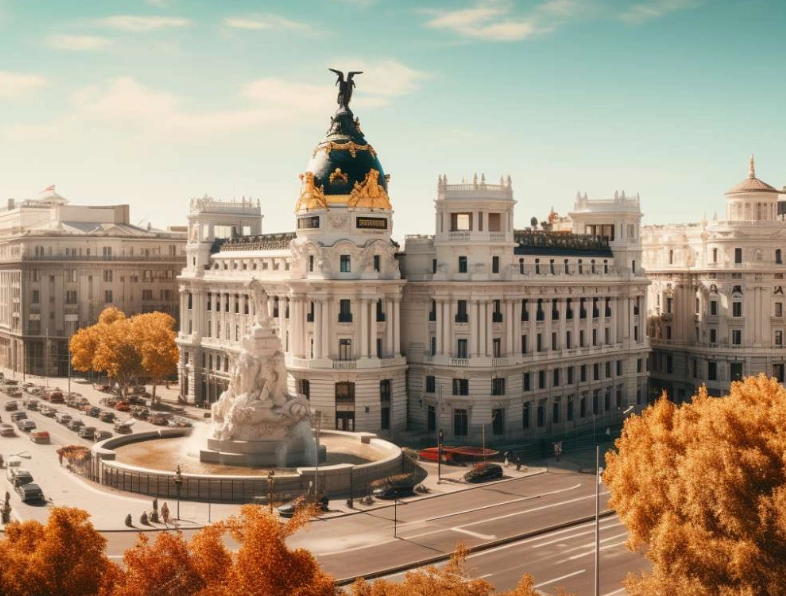
Your Spain Travel Questions Answered
So, what is the best month to go to Spain? If I had to pick one for a first-time, all-around trip, I'd point to May or late September. But the real answer lies in what you want from your Spanish adventure. Use this guide not as a decree, but as a map. Match the season to your dreams—be it festival frenzy, mountain solitude, or empty beaches—and you'll find your perfect month.


Comments
Join the discussion