So you're planning a trip to Fiji and the question pops up: just how many tourists visit Fiji each year? It's not just idle curiosity. That number tells a story about popularity, the best times to go, and what your experience might actually be like on the ground. Is it a secluded paradise or a bustling hotspot? The answer, like the islands themselves, is nuanced. Pre-pandemic, Fiji was welcoming close to 900,000 international visitors annually, a staggering figure for a nation of just under 900,000 people. The recovery has been strong, with numbers climbing back towards that peak. But looking beyond the headline figure is where the real planning insights are hidden.
What's Inside This Guide
How Many Tourists Visit Fiji Annually?
Let's get straight to the data. According to the Fiji Bureau of Statistics and Tourism Fiji, the official tourism board, the country's visitor numbers have been on a remarkable journey.
The peak pre-COVID year was 2019, with a record 894,389 international visitor arrivals. The pandemic, as expected, caused a dramatic drop. But the rebound has been one of the strongest in the Pacific. By 2023, arrivals had surged back to approximately 929,740, even surpassing the 2019 peak. Projections for 2024 suggest continued growth, potentially edging towards the one million mark.
Here's the thing most generic articles miss: that total number is spread across 333 islands. The main island, Viti Levu (home to Nadi and Suva), and the popular Mamanuca and Yasawa island groups absorb the vast majority of these visitors. This means crowding is highly localized. You can feel the buzz in Denarau Marina in July, yet find a beach all to yourself on Kadavu or Taveuni almost any time of year.
A Personal Note: I was in Fiji in late 2019, just before the pandemic hit. The energy at Port Denarau was palpable, with ferries constantly coming and going to the Mamanucas. When I returned in late 2022, the recovery was in full swing. The difference wasn't in the beauty of the places, but in the booking lead times needed. My go-to small resort in the Yasawas was fully booked months in advance, a scenario that was less common a few years prior.
When Do They Visit? The Seasonal Breakdown
The annual number is useless without understanding its seasonal flow. Fiji has two main seasons, and tourism spikes are directly tied to them and to the holiday schedules of its key markets.
The Dry Season (May to October) is the absolute peak. This is Fiji's winter – think less rain, lower humidity, and sunny, pleasant days. It coincides with the winter and school holidays in Australia and New Zealand. July, August, and September are the busiest months. Expect higher prices for flights and accommodation, and need to book resorts, especially family-friendly ones, at least 6-9 months in advance.
The Wet Season (November to April) is quieter, hotter, and more humid, with a higher chance of tropical showers. This is the low season, with visitor numbers dipping significantly. Here's the non-consensus view: this can be a fantastic time to visit for savvy travelers. While there is a risk of cyclones (highest probability Jan-Feb), you often get brilliant sunshine between short, heavy downpours. The landscape is lush and green, and you can find deals of 30-50% off peak season rates. The water is warmer, and the crowds are gone.
The absolute sweet spots, in my opinion, are the shoulder months: late April/early May and late October/early November. You often get dry season weather with wet season prices and availability.
Where Do Fiji's Tourists Come From?
Understanding the source markets explains a lot about the tourism rhythm. Fiji's visitor base is dominated by a few key regions:
- Australia: Consistently the number one market, often making up about 35-40% of all arrivals. Aussies love Fiji for its proximity (3-4 hour flight) and family-friendly resorts.
- New Zealand: The second-largest market. The short flight makes it a popular holiday destination year-round.
- North America (USA & Canada): A significant and growing market, particularly for higher-end resorts and honeymoon travel. Americans often visit during their Northern Hemisphere summer (Fiji's dry season), adding to the peak period crowds.
- Europe & Asia: Smaller but important segments, with visitors from the UK, China, and Japan. European travelers often take longer trips and may visit during their summer, which is Fiji's mild winter.
This mix means that when it's school holidays in Sydney or Auckland, you can feel the impact directly on flights and popular island resorts.
How to Plan Your Trip Around the Crowds
Knowing the numbers is one thing. Using them to craft a better trip is another. Here’s how to translate the statistics into an actionable plan.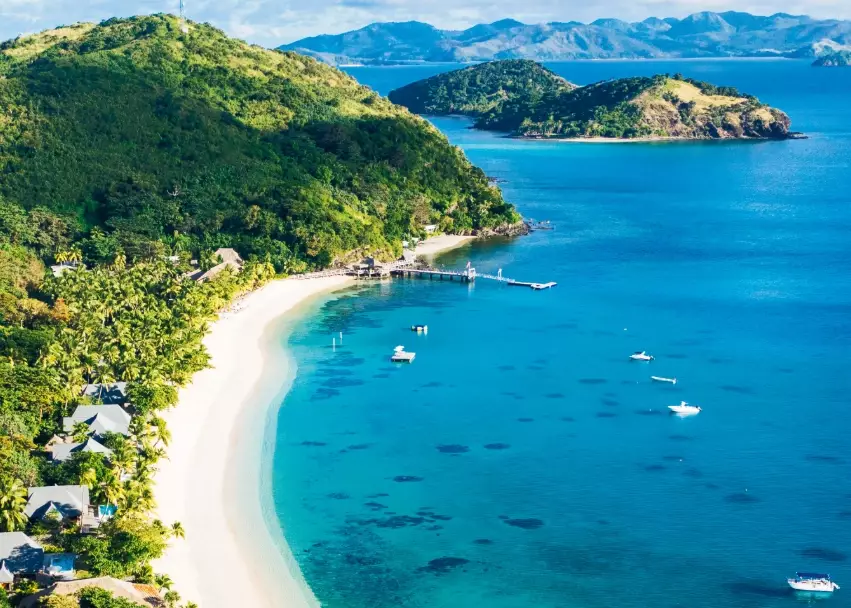
Choosing Your Islands Wisely
Your perception of crowds in Fiji is 90% determined by which island you choose.
For Ease & Activity (But More People): The Mamanuca and Yasawa Islands, accessible from Nadi, are the classic tourist circuits. During peak season, these islands are busy. Resorts are full, beaches near resorts can feel populated, and you need to book activities like snorkel trips ahead. Denarau Island is a purpose-built resort area on Viti Levu – convenient, with golf courses and big hotels, but it feels the least "remote" of all Fiji options.
For Authenticity & Seclusion: Look to the less-visited island groups. Vanua Levu (Fiji's second-largest island), Taveuni (the "Garden Island"), Kadavu (famous for the Astrolabe Reef), and the Lau Group. Visitor numbers here are a tiny fraction of the main circuit. You trade convenience (longer, more expensive transfers) for incredible cultural immersion and a sense of having discovered something special. I spent a week on Taveuni once and went days without seeing another tourist outside my own resort.
Booking Strategy Based on Season
Peak Season (Dry Season): Book everything – flights, accommodation, inter-island ferries – as far in advance as possible. A year out is not too early for popular family resorts like those on Castaway Island or Plantation Island. Be prepared for premium pricing.
Low/Shoulder Season (Wet Season/Shoulder Months): You have more flexibility. You can often find great last-minute deals. However, don't wait until the last minute for international flights, as those prices can remain high. Focus your flexibility on accommodation and domestic travel once you arrive.
Looking Beyond the Numbers: Tourism's Impact
The discussion about how many tourists visit Fiji each year isn't complete without considering the impact. Tourism contributes over 40% to Fiji's GDP. It's the lifeblood of the economy, providing jobs and supporting communities.
However, this volume of visitors brings challenges: pressure on local resources, waste management, and the delicate marine ecosystems. This is where the concept of sustainable travel becomes critical, not just a buzzword.
As a visitor, you can make a difference. Choose resorts with recognized eco-certifications. Opt for locally-owned tour operators. Be mindful of your plastic use. Respect coral reefs by using reef-safe sunscreen and not touching marine life. Your choices can help ensure the Fiji that attracts nearly a million visitors a year remains pristine for future generations.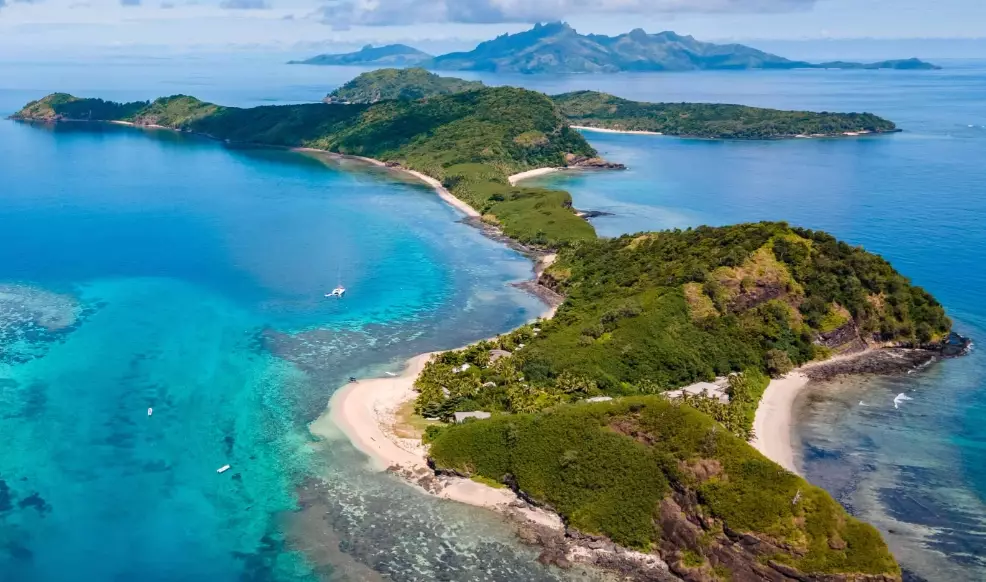


Comments
Join the discussion