You're planning a trip to Fiji, picturing turquoise water and palm trees. Then the practical side kicks in. How much will food cost? Is eating out in Fiji going to blow your budget before you even hit the beach? The short answer is: it doesn't have to be expensive, but it absolutely can be if you're not careful. The cost varies wildly depending on where you eat and what you choose. Let's break it down with real numbers, specific places, and the kind of advice you won't find in a generic brochure.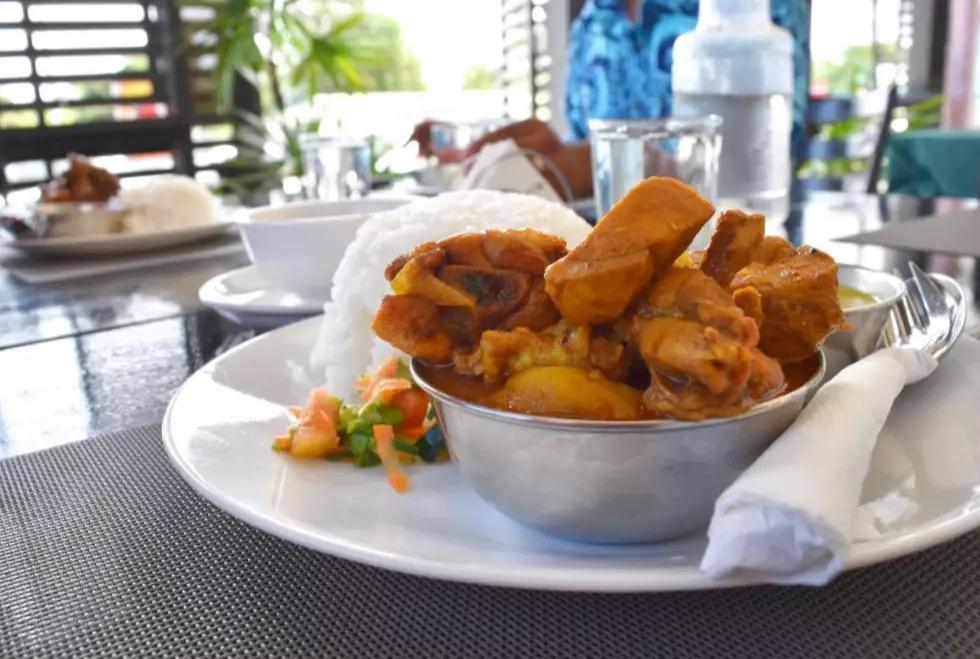
Your Quick Guide to Fiji Dining Costs
The Short Answer: Fiji's Dining Cost Spectrum
Think of Fiji's food scene as a three-tier system. At the bottom, you have incredibly affordable local Fijian and Indo-Fijian food. In the middle, a mix of reasonably priced town cafes and mid-range restaurants. At the top, the resort and fine-dining tier where prices match what you'd pay in a major Western city, sometimes even more due to import costs.
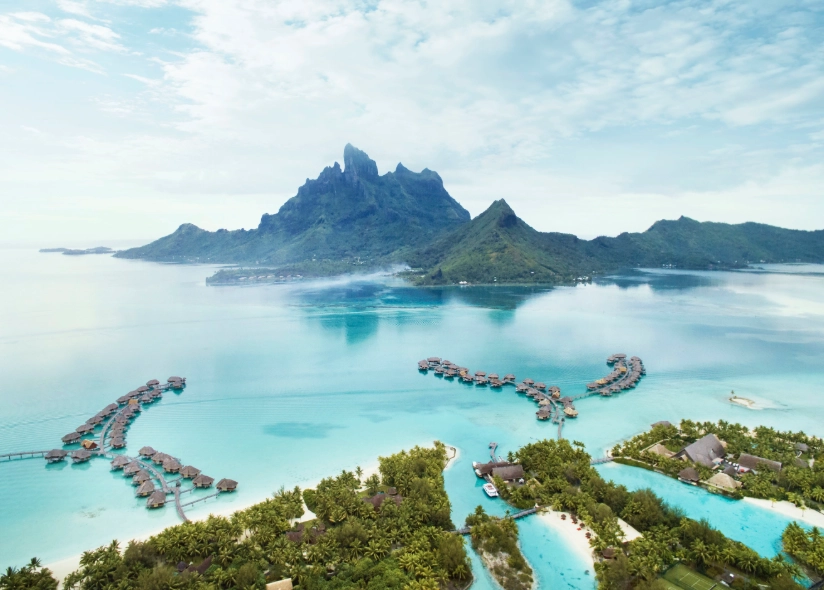
Your total food spend hinges almost entirely on your location strategy. If you're staying at an isolated resort on a private island, your choices are limited to that resort's restaurants. They have a captive audience, and prices reflect that. A main course at a nice resort restaurant often starts around FJD $45-$70 (USD $20-$31). Add a drink, appetizer, and tax, and a meal for two easily surpasses FJD $150 (USD $66).
But if you're based in or near a town like Nadi, Suva, or even somewhere with local villages like the Coral Coast, you have access to the full spectrum. This is where you can eat well without spending a fortune.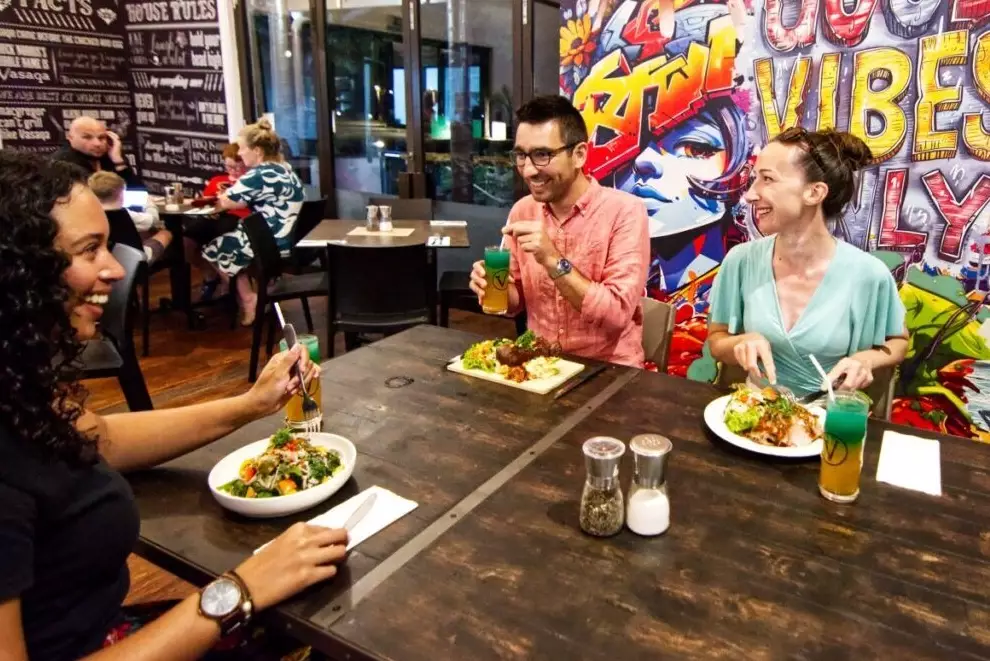
Cost Breakdown: From Market Stalls to Fine Dining
Here’s a concrete look at what you can expect to pay across different settings. These are 2024 estimates in Fijian Dollars (FJD). Remember, 1 FJD is roughly 0.44 USD.
| Dining Type | Example Meal | Approx. Cost per Person (FJD) | Notes & Vibe |
|---|---|---|---|
| Local Market / Street Food | Roti with curry, Lovo plate, Fresh fruit | $5 - $15 | The most authentic and affordable. Look for busy stalls near markets. Cash only. |
| Local Cafeteria / "Cafe" | Fish & Chips, Chicken & Rice, Stir-fry | $12 - $25 | Simple, filling meals. Common in towns. Often includes a starch and veggies. |
| Town Restaurant (Mid-range) | Burger, Pizza, Pasta, Indian Curry | $25 - $45 | Similar to casual dining prices in Australia/NZ. Good variety and quality. |
| Resort Restaurant | Grilled Fish, Steak, International Cuisine | $45 - $80+ | High quality, beautiful settings, but includes a significant location premium. |
| Fine Dining / High-End Resort | Chef's Tasting Menu, Lobster, Premium Steak | $80 - $150+ | Comparable to top restaurants in Sydney or LA. Wine pairing extra. |
| Drinks (Beer/Wine/Cocktail) | Fiji Gold Beer, House Wine, Classic Cocktail | $7 - $9 / $9 - $15 / $15 - $22 | Alcohol is taxed heavily. Resort cocktails are particularly pricey. |
A key point everyone misses: Your drink order often impacts the final bill more than your food choice. Sticking with water, fresh coconut, or a local beer like Fiji Gold keeps costs sane. Ordering imported wine or multiple fancy cocktails? That's where the bill skyrockets.
Real Restaurant Examples with Prices
Let's get specific. Here are a few actual places to ground those numbers.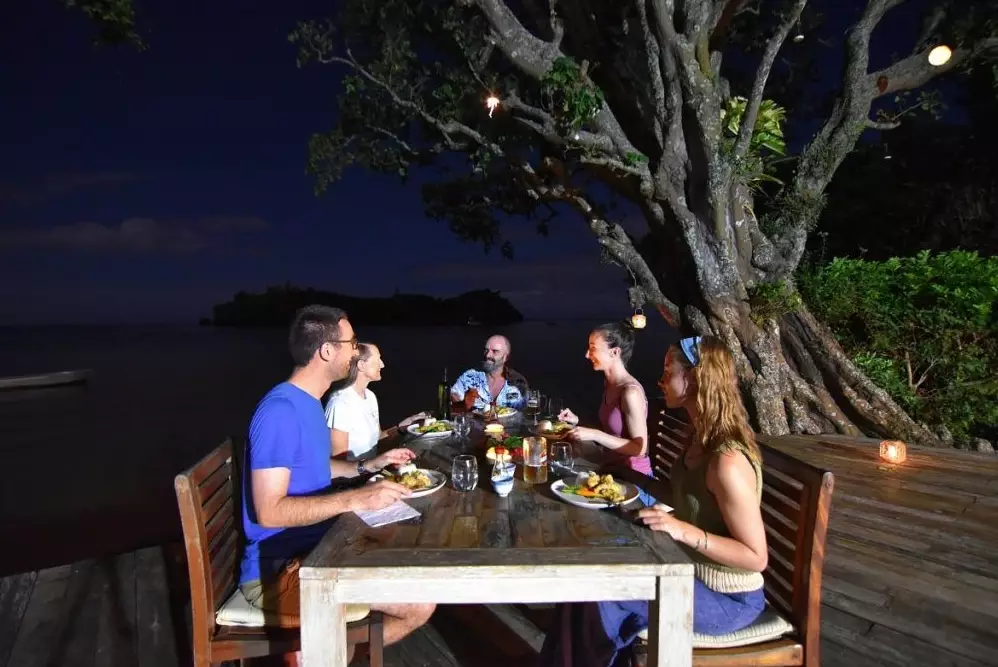
Ports O' Call Restaurant (Nadi)
This is a classic, long-running spot popular with tourists and locals. It's right on the water at Wailoaloa Beach. The menu is huge—everything from wood-fired pizza to local kokoda (Fijian ceviche). A main course like the grilled walu (Spanish mackerel) runs about FJD $38. Their famous seafood platter for two is around FJD $95. It's not cheap, but it's reliable, the portions are huge, and the sunset views are free. You're paying for the consistency and location.
Mama's Pizza (Pacific Harbour)
For a more budget-friendly and delicious option, Mama's is an institution. It's a no-frills, order-at-the-counter joint. A large pizza loaded with toppings will cost you between FJD $25 and $35, easily feeding two hungry people. It's a favorite among backpackers and expats for a reason. This is the tier where you feel you're getting great value.
The Nadi Market
This is where you experience the true baseline cost of food. For breakfast, grab a bundle of "vudi vakasoso" (fried plantains in coconut milk) for FJD $2. For lunch, find a stall selling "lovo" plates—meat and root vegetables cooked in an earth oven. A heaping plate of lamb, dalo (taro), and cassava might cost FJD $10-$12. It's incredibly filling and authentic. You won't get the ambiance, but your wallet and your taste for adventure will thank you. The Fiji Tourism website has general info on experiencing Fijian culture, including markets.
How to Save Money Eating Out in Fiji
You don't have to eat street food every day to stick to a budget. A few strategic choices make a massive difference.
Embrace Breakfast & Lunch Deals: Many town cafes offer substantial breakfast specials until 11am for FJD $10-$15. Lunch specials are also common and cheaper than dinner menus. Have your big meal at lunch, then a lighter, cheaper dinner.
Share Plates: Portions, especially in mid-range and resort restaurants, are often generous. Ordering a few appetizers or mains to share can be more than enough and reduces cost.
Stay Accommodation with Kitchen Access: This is the ultimate game-changer. Renting a villa, or even a hotel room with a kitchenette, lets you buy groceries from places like Costless Foods or Newworld Supermarket. You can make your own breakfast, pack sandwiches for lunch, and only eat out for dinner. The quality of local produce—papayas, pineapples, coconuts—is amazing and cheap.
Venture Just Outside the Resort: Almost every major resort has a nearby village or town. A 10-minute taxi ride can cut your meal cost by 50% or more. Ask resort staff for their personal recommendations, not just the partnered ones.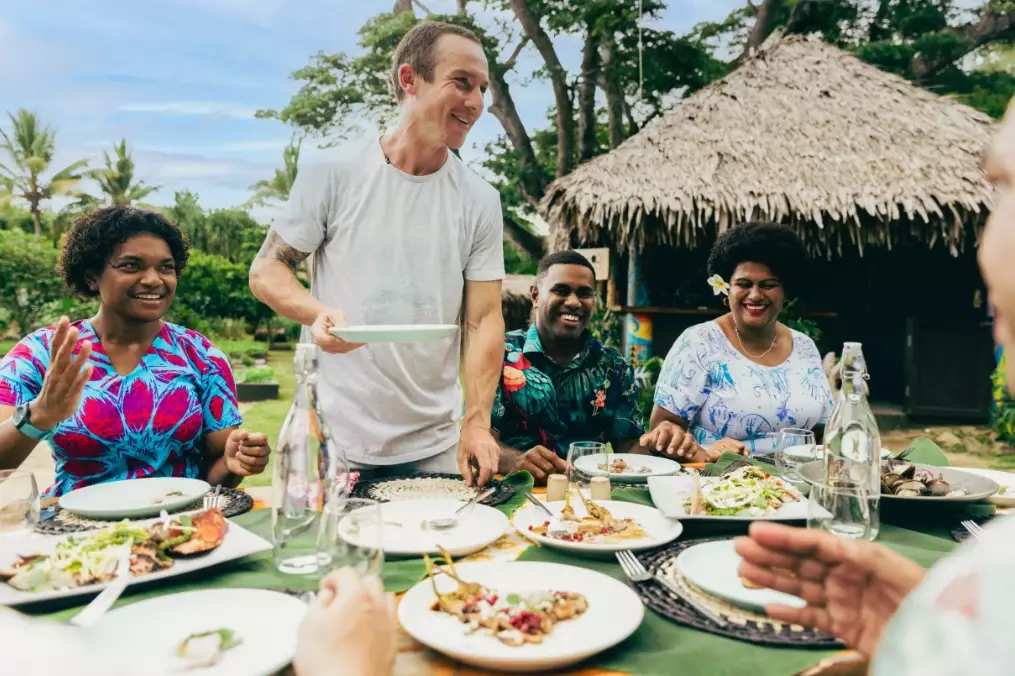
The One Common Mistake That Inflates Your Food Bill
After talking to dozens of travelers, I see one pattern: underestimating the cost of getting to the affordable food.
You read this article, get excited about a cheap, amazing restaurant in Nadi town. But you're staying at a resort on Denarau Island. A taxi from Denarau to Nadi town and back can cost FJD $30-$40 round trip. Suddenly, that "cheap" FJD $50 meal for two becomes a FJD $80 meal. For a family of four, the transport can add FJD $60.
The fix? Cluster your activities. Plan your town meal on a day when you're already going there for shopping, a tour, or to pick up supplies. Combine the trip. Or, choose accommodation that offers easier access to a variety of dining, not just resort restaurants. The Coral Coast, for example, has resorts right along the main road, with local cafes and restaurants within walking distance or a very short, cheap taxi ride.
This logistical factor is rarely discussed but is crucial for budget planning.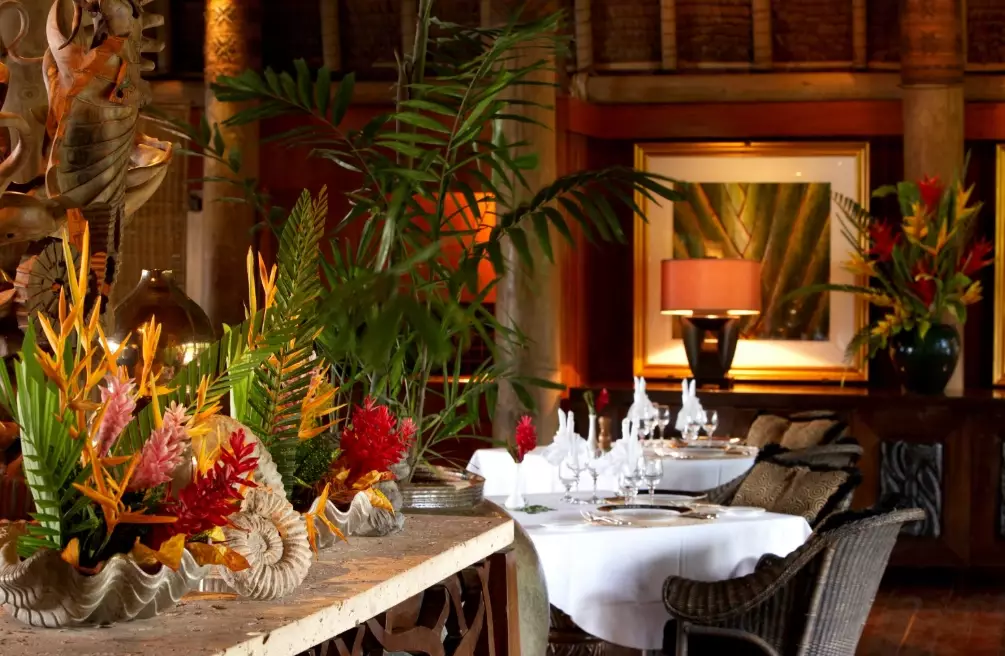
Your Fiji Food Cost Questions Answered
Is it safe to eat street food and at local markets in Fiji?
How much should I budget per day for food in Fiji?
Budget Traveler: FJD $30-$50 per day. Mix of market food, self-catering breakfast/lunch, and one cheap cafe meal.
Mid-Range Traveler: FJD $70-$120 per day. Cafe breakfast, nice lunch or dinner at a town restaurant, drinks included.
Resort-Focused Traveler: FJD $150-$250+ per day. All meals and several drinks at resort restaurants. Resort meal plans can sometimes offer value here, but calculate carefully.
Are tips expected when eating out in Fiji?
 What's the best way to find authentic, non-touristy restaurants?
Is eating out with children in Fiji expensive?


Comments
Join the discussion