What do Europeans have for dinner? The direct answer is: it depends entirely on where you are.
Asking that is like asking what Americans eat—the difference between a Maine lobster bake and Texas barbecue is vast. Europe's dinner table is a patchwork of cultures, climates, and centuries of tradition. The romantic image of a long, late Italian feast exists, but so does the quick, hearty German supper. For a traveler, misunderstanding these habits can mean missing out on the best food or sitting hungry in front of a closed restaurant.
What's on the Menu?
Understanding European Dinner Diversity
Forget a single European dinner model. The split often follows a North-South line, influenced by climate, history, and work rhythms.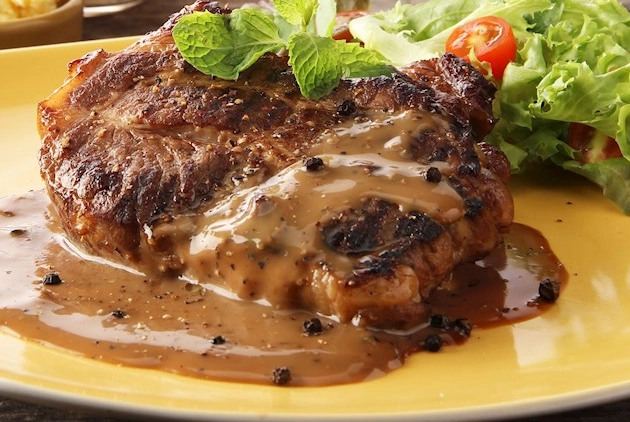
In the south—Spain, Italy, Greece, Portugal, southern France—dinner is late, light(er), and deeply social. The sun sets later, the siesta or long lunch break shifts the entire day later, and the evening meal is a key part of the day's social fabric. Food is fresh, vegetable-forward, and the act of sharing is as important as the eating.
Head north to Germany, the UK, Netherlands, Scandinavia, and dinner becomes earlier, often heavier, and more functional. It's called "Abendessen" or "Avondeten"—the evening meal. Think of it as fuel after a day's work. It's less about a three-hour conversation and more about a satisfying plate of food with family. That doesn't mean it's worse; the quality of ingredients, especially in places like Denmark or the UK's gastronomic pubs, can be exceptional.
One subtle mistake travelers make is assuming "dinner" is the main meal everywhere. In many parts of Europe, particularly the Mediterranean, lunch ("il pranzo", "la comida") is the largest meal of the day. Dinner might be a smaller version of lunch, or a collection of shared plates. If you have a big lunch, you'll understand why locals eat a lighter supper.
The Mediterranean Dinner: An Art of Socializing and Leisure
Spain: The Tapas & Late-Night Culture
Dinner in Spain is a moveable feast. The classic mistake? Showing up at a restaurant at 7 PM expecting dinner. Most kitchens won't even open until 8:30 or 9 PM.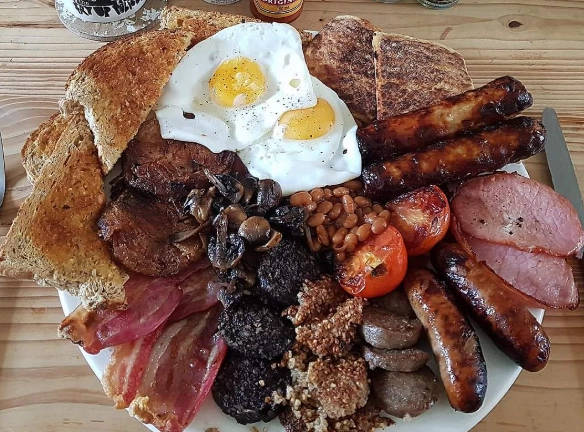
The ritual often starts with the "paseo" (evening stroll) and "caña y tapa" (a small beer with a snack) around 7-8 PM. This isn't dinner, it's a prelude. Real dinner might be several shared raciones (larger plates) or a full "cena" at 10 PM. In Barcelona's El Born district or Madrid's La Latina, the streets buzz with life at midnight on a Tuesday.
What's on the plate? It could be "gambas al ajillo" (garlic shrimp), "pulpo a la gallega" (Galician-style octopus), a simple "tortilla española", or a shared "paella" (though note, authentic paella is often a lunch dish). The European Food Information Council notes the Mediterranean diet's emphasis on fresh produce, which shines here.
Italy: From Aperitivo to Family Feast
The Italian "cena" is sacred family time, but it's preceded by the genius institution of "aperitivo". From about 6 PM to 9 PM, bars in Milan, Turin, and Rome offer a drink (a Spritz, a Negroni) that includes access to a buffet of snacks—crostini, olives, pasta salads, cold cuts. For a budget traveler, this can cleverly substitute for a full dinner.
Dinner itself varies. In the north, you might find "risotto alla Milanese" or "polenta with stew". In Rome, "cacio e pepe" or "saltimbocca alla romana". In Naples, pizza is a perfectly acceptable dinner (and often better than any you've had). Portions are sensible, courses are sequential (antipasto, primo, secondo, dolce), and it's never rushed.
I remember sitting in a Trastevere trattoria once, finishing my meal as a local family was just sitting down at 10:15 PM with their young children. It redefined "bedtime" for me.
France: The Bistro Tradition
French dinner can be formal or incredibly simple. The bistro is the heart of it. It's not about fancy sauces every night; it's about a well-sourced "steak frites" with a green salad, a "confit de canard", or a seasonal "blanquette de veau". The "plat du jour" (dish of the day) is always your best bet.
Parisians eat later than rural French. A 7:30 PM reservation is considered early. And yes, bread is a utensil. Use it to sop up the sauce—it's expected, not rude.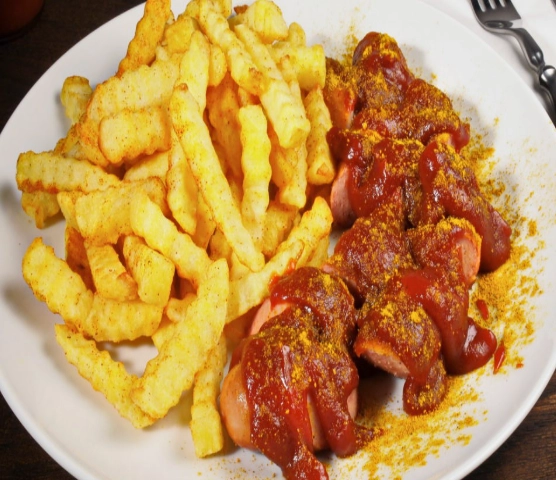
Central & Northern European Dinner: Hearty, Practical, and Often Earlier
Germany, Austria, Switzerland: The "Abendbrot" or "Abendessen"
Here, dinner can take two forms. One is a warm, cooked meal ("warmes Abendessen")—perhaps a sausage with potato salad, a schnitzel, or a simple pasta dish. The other, more traditional version is "Abendbrot" (evening bread). This is a cold meal: a selection of dark breads, cheeses, cold cuts (Aufschnitt), pickles, and mustard. It's quick, nutritious, and light on the stomach. In a German beer garden in summer, dinner might be a massive "Schweinshaxe" (pork knuckle) shared with friends, but that's more of a weekend outing.
The United Kingdom & Ireland: From Pub Grub to Sunday Roast
The British dinner has evolved massively. Yes, you can still find a "meat and two veg" at a local café, but the gastropub revolution changed everything. Dinner might be a beautifully cooked steak and ale pie, beer-battered fish with triple-cooked chips, or a roasted chicken with seasonal vegetables. The Sunday Roast (beef, chicken, or lamb with roast potatoes, Yorkshire pudding, and vegetables) is a weekly dinner ritual, often enjoyed at the pub. It's a social meal, less formal than you might think.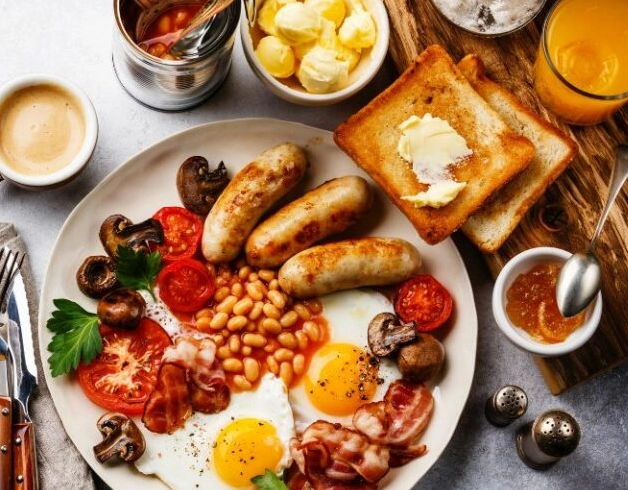
Nordic Countries: Hygge and Simplicity
In Denmark, Norway, Sweden, dinner ("middag" or "aftensmad") emphasizes high-quality, simple ingredients. Think roasted salmon with dill and new potatoes, Swedish meatballs with lingonberry sauce, or an open-faced sandwich (smørrebrød) for a lighter evening. The focus is on coziness ("hygge", "mys")—candles, good company, and food that feels like home.
| Region/Country | Typical Dinner Time | Common Dinner Foods | Key Cultural Note |
|---|---|---|---|
| Spain | 9:00 PM - 11:00 PM | Tapas (shared plates), Paella, Fresh fish | Preceded by "caña y tapa" social hour. |
| Italy | 8:00 PM - 10:30 PM | Pasta, Risotto, Grilled meats, Pizza (South) | "Aperitivo" culture from 6 PM. Lunch is main meal. |
| France | 7:30 PM - 9:30 PM | Bistro classics (steak frites, duck confit) | "Plat du Jour" is best value & freshness. |
| Germany | 6:00 PM - 8:00 PM | Cold cuts & bread (Abendbrot) or warm dish | Practical, family-focused. Beer gardens for social dinners. |
| United Kingdom | 6:30 PM - 8:00 PM | Gastropub fare, Sunday Roast (weekend) | Pub is a central dining location. |
How to Eat Dinner Like a Local (Practical Tips for Travelers)
Want to move beyond the tourist menu? Here's how.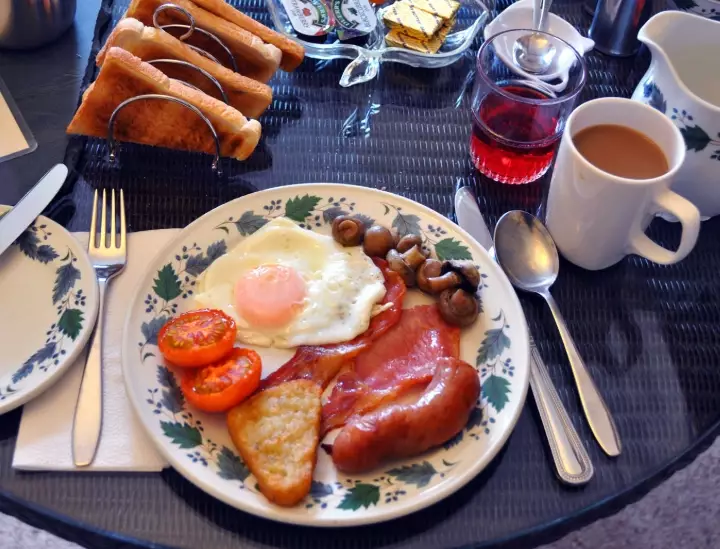
First, reset your clock. This is the biggest adjustment. If you get hungry at 6 PM, have a snack. Plan to eat when the locals do, or you'll be stuck in empty restaurants with subpar food meant for tourists.
Find the right street. Restaurants on the main plaza (Piazza Navona, Plaza Mayor) are for views, not the best food. Walk two or three blocks into the surrounding alleys. Look for menus in the local language only, or a hand-written board. A crowd of locals is the best sign.
Embrace the market. Many European cities have fantastic covered markets that serve food in the evening. Madrid's Mercado de San Miguel, Barcelona's Boqueria (earlier in the day), Lisbon's Time Out Market, or Berlin's Markthalle Neun. You can graze on high-quality, authentic bites from different vendors. It's affordable, fun, and totally authentic.
Understand the menu structure. In Italy, don't order a pasta and a meat dish as your main—the pasta (primo) is a first course, the meat/fish (secondo) is the second, often served with a side (contorno). In France, the "formule" or "menu" is a fixed-price set meal, usually a better deal than ordering à la carte.
Don't tip like an American. In most European countries, service is included. Rounding up the bill or leaving a few extra euros is polite, but 15-20% is unnecessary and can seem strange.
Your European Dinner Questions Answered
In Europe on vacation, what time should I actually plan to go out for dinner?
Do a quick reconnaissance walk around 7 PM. If the restaurants are empty but set up, check their opening hours—the kitchen likely opens later. In Spain or southern Italy, aim for 9 PM as a safe start time. In Germany or the UK, 7:30 PM is fine. A good trick: if the menu is only in English and has pictures of the food, it's geared for early eaters. Walk on.
Is it true that Europeans don't drink tap water with dinner?
They do, but you often have to ask for it specifically. In many restaurants, especially in France, Italy, and Germany, still or sparkling bottled water is the default. To get tap water, ask for "una caraffa d'acqua del rubinetto" (Italy), "une carafe d'eau" (France), or "Leitungswasser" (Germany). It's usually free and perfectly safe, though some waiters might seem slightly put out—ask anyway.
What's one dinner habit I should avoid to not look like a tourist?
Rushing. The biggest giveaway is asking for the check the moment the last bite is finished. In Mediterranean Europe, the table is yours for the night. The waiter will not bring the bill until you ask for it ("il conto, per favore", "l'addition, s'il vous plaît"). They see it as rude to rush you out. Enjoy the lingering conversation, order another coffee, and soak it in. The pace of the meal is part of the experience.
So, what do Europeans have for dinner? It's a reflection of their day, their climate, and their history. It's Spanish laughter over shared plates at midnight, the quiet comfort of German bread and cheese at a family table, the meticulous joy of an Italian pasta course. The answer isn't in a single dish, but in the act of sitting down, wherever you are, and doing as they do.
Your best dinner in Europe won't come from a checklist of dishes. It'll come from the place where the crowd sounds local, the menu has spelling mistakes, and you eat at an hour that once felt unthinkable. That's when you're really at the table.


Comments
Join the discussion