So you're dreaming of Scotland from across the pond. The misty Highlands, ancient castles, and the promise of a good whisky are calling. Planning a trip from the United States feels different than hopping over to Europe. You've got longer flights, maybe limited vacation days, and a currency exchange to think about. I've planned this trip for myself and helped dozens of friends do the same. Let's cut through the noise and build your perfect Scottish adventure, step by step.
Your Scotland Journey Roadmap
Crafting Your Scotland Itinerary from the USA
With a week to ten days—typical for Americans—you need to be strategic. Trying to see everything is the fastest route to exhaustion. Focus on depth over breadth.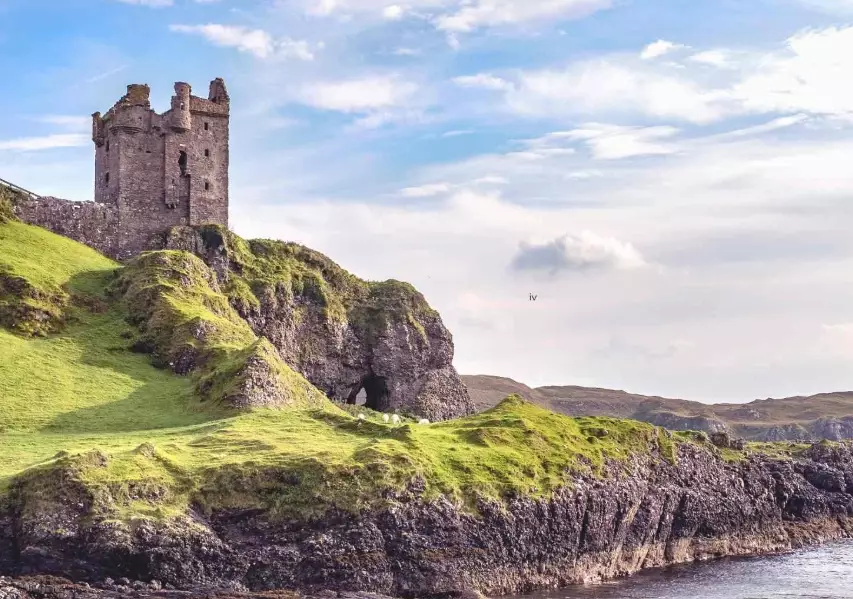
Here’s a classic 7-10 day framework that works:
- Days 1-3: Edinburgh. Recover from the flight here. It's walkable, packed with history, and has great food. Don't just walk the Royal Mile; climb Calton Hill for the view, explore the winding closes (alleys), and visit the National Museum of Scotland (it's free and fantastic).
- Days 4-6: The Highlands. Rent a car in Edinburgh or take a train to Inverness. Base yourself in Fort William for mountain scenery or Inverness for Loch Ness. Drive the North Coast 500 if you have more time, or just a section like the road to Glenfinnan Viaduct.
- Days 7-10: Isle of Skye & Return. Skye is stunning but can be crowded. Go early in the day to the Old Man of Storr or the Fairy Pools. Then loop back towards Glasgow for your return flight, stopping at a distillery like Glengoyne near Loch Lomond.
A mistake I see? Americans often cram Glasgow and Edinburgh into two days. They're only 50 minutes apart by train, but have very different vibes. Pick one as a base. Edinburgh for history and grandeur, Glasgow for gritty art, music, and arguably better nightlife.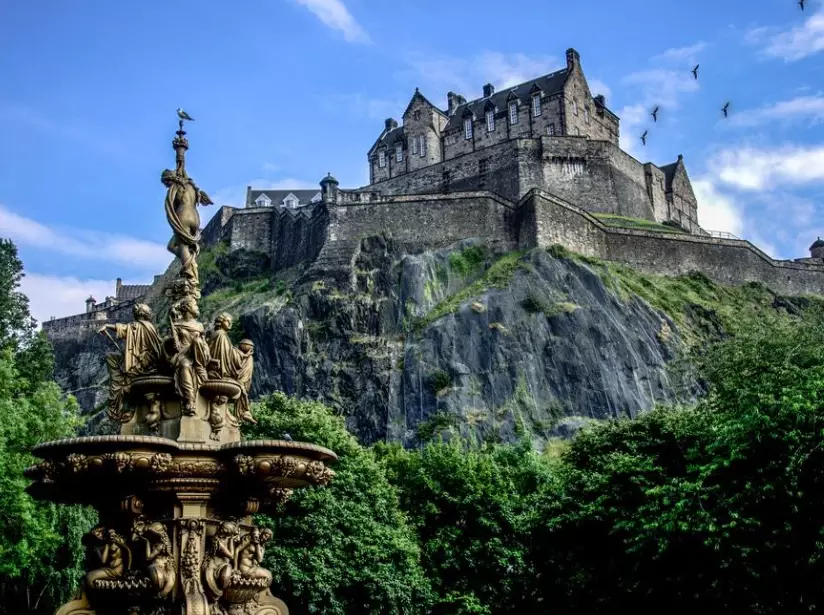
When is the Best Time to Visit Scotland from the USA?
This isn't just about weather. It's about crowds, midges (tiny biting insects), and daylight.
May-June & September: My top recommendation. The weather is often decent, crowds are thinner than peak summer, and daylight lasts forever in June. Midges start in late May and fade by October.
July-August: Peak season. Everything is open, festivals are on (like the massive Edinburgh Fringe), but it's busy and expensive. Accommodation books up a year in advance for the Fringe. The midges are at their worst in the Highlands.
October-April: Lower prices, fewer tourists. But days are very short in winter (sunset around 4 PM in December). Some rural attractions and B&Bs close. You might get lucky with a crisp, sunny winter day, or you might get horizontal rain for a week. It's a gamble.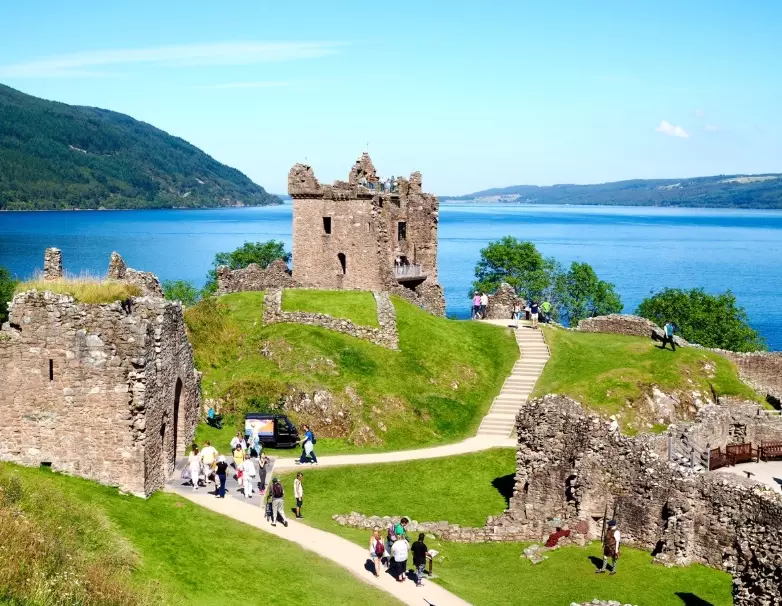
Budgeting for Your Scottish Adventure
Let's talk numbers. Scotland isn't a budget destination, but it doesn't have to break the bank. Costs are similar to major US cities like Boston or Seattle.
Here’s a rough breakdown for a 10-day trip for two people, excluding international flights:
| Category | Budget (Per Person) | Mid-Range (Per Person) | Luxury (Per Person) |
|---|---|---|---|
| Accommodation (B&B / Hotel) |
$70-$100/night | $120-$200/night | $250+/night |
| Food & Drink (Meals out, pubs) |
$40-$60/day | $70-$100/day | $150+/day |
| Local Transport (Train pass or rental car + fuel) |
$250-$400 (train) | $400-$600 (car) | $600+ (premium car) |
| Activities & Entries (Castles, tours, distilleries) |
$150-$250 | $300-$500 | $600+ |
| Estimated Total (Per Person, 10 days) |
$1,500 - $2,200 | $2,500 - $3,800 | $4,500+ |
International flights from the East Coast can range from $600 to $1,200 roundtrip depending on season and how far in advance you book. West Coast flights are typically $200-$400 more.
A hidden cost? Car rental insurance. Your US credit card coverage often voids in the UK. You'll be pressured to buy the rental company's expensive Collision Damage Waiver (CDW). Research third-party providers like Insurance4CarHire beforehand—it can save you hundreds.
Getting There and Getting Around
Flights from the USA to Scotland
You have two main airport choices: Edinburgh (EDI) or Glasgow (GLA). A few flights go into Aberdeen or Inverness, but they're less common and often pricier.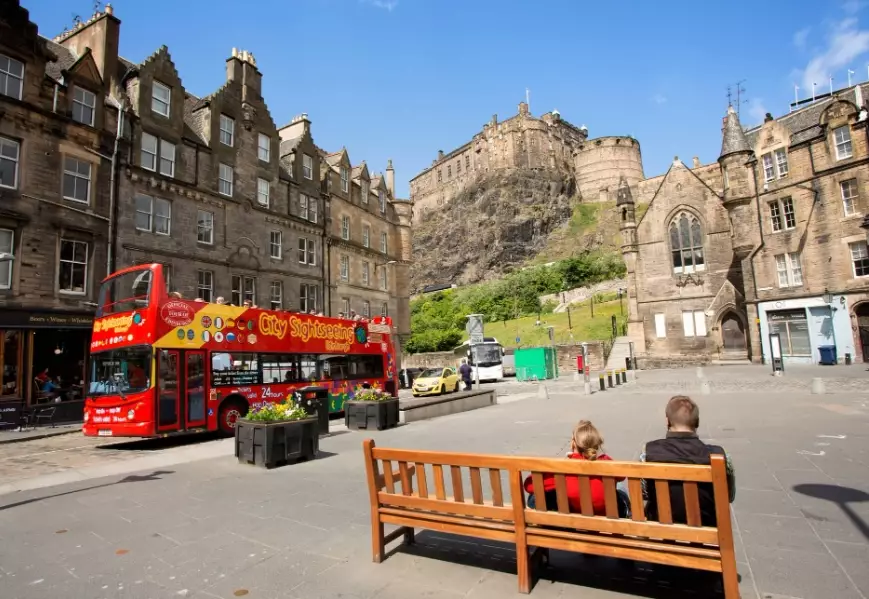
Direct flights operate from:
- New York (JFK/EWR) to Edinburgh with Delta or United.
- Boston (BOS) to Edinburgh with Delta.
- Chicago (ORD) to Edinburgh with United (seasonal).
- Various US cities to Dublin or London, then a short connecting flight (often cheaper).
Flying into London and taking the train to Scotland is a fantastic alternative. The LNER train from London King's Cross to Edinburgh takes about 4.5 hours, is comfortable, and shows you the countryside. Book train tickets in advance on the LNER website for the best fares.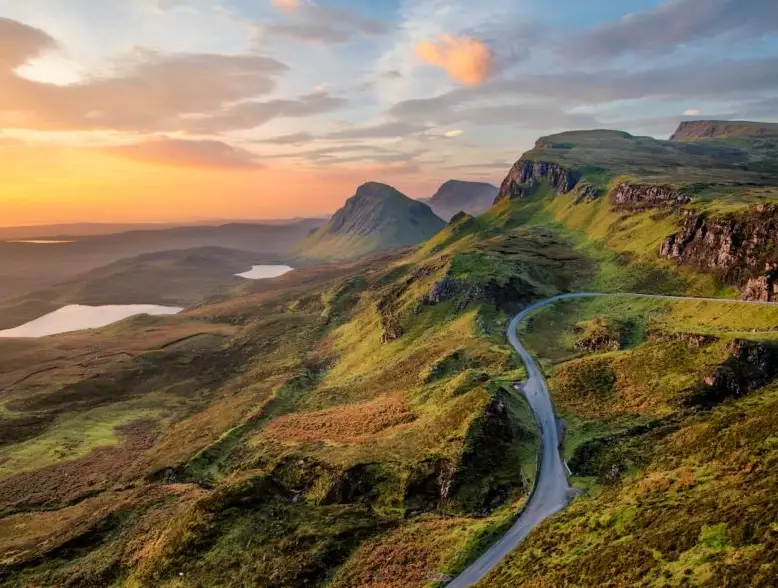
Transport Within Scotland
Train: Excellent for city-to-city travel (Edinburgh to Glasgow, to Inverness, to Aberdeen). Scenic routes like the West Highland Line to Mallaig are attractions themselves. Get a Two Together Railcard if traveling as a pair—it saves 1/3 on most fares for a small upfront fee.
Car Rental: Essential for the Highlands and islands. You'll drive on the left. Book an automatic transmission if you're not comfortable with a manual stick shift—they cost more and book out fast. Petrol (gas) is expensive by US standards, around $7-$8 per US gallon.
Buses: Companies like Citylink and Megabus are cheaper than trains and cover most routes, but are slower.
Where to Stay in Scotland
Hotels, B&Bs, and self-catering cottages are your main options. B&Bs (Bed and Breakfasts) are a Scottish staple—often family-run, with a cooked breakfast included. They offer real local insight.
Here are a few specific recommendations across different styles:
| Property & Location | Style & Vibe | Price Range (Per Night) | Why It's a Good Pick |
|---|---|---|---|
| The Inn at John O'Groats Caithness, North Coast |
Modern coastal inn | $120-$180 | Stunning location at Britain's northeastern tip. Perfect for NC500 road trippers. Their seafood restaurant is excellent. |
| Kilmartin Hotel Kilmartin Glen, Argyll |
Traditional village inn | $100-$140 | In the heart of an area with more ancient monuments than anywhere in Scotland except Orkney. Cozy, dog-friendly, great pub food. |
| Cheval The Edinburgh Grand Edinburgh City Centre |
Luxury aparthotel | $250-$400 | Spacious serviced apartments in a stunning Art Deco building. Feels like a local. Has a kitchen, so you can save on some meals. |
| Coul House Hotel Near Inverness, Highlands |
Country house hotel | $160-$220 | A classic Highland experience with log fires, a drawing room, and beautiful grounds. More personal than a big chain. |
Book everything as early as you can, especially for summer and September. Rural places have limited rooms.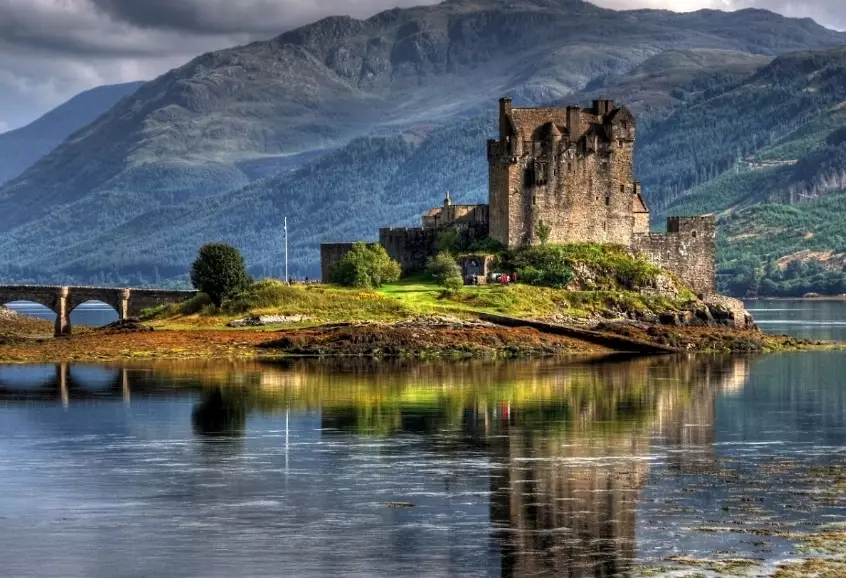
Must-See Spots Beyond the Postcard
Yes, see Edinburgh Castle. But let's go deeper.
Edinburgh Castle (Castlehill, Edinburgh EH1 2NG) is iconic. Tickets are around £21 online. Get there for 9:30 AM opening to beat the worst crowds. The view is worth it, but the interior can feel like a museum. For a more atmospheric castle ruin, drive to Dunnottar Castle near Stonehaven—perched on a cliff over the North Sea.
In the Highlands, everyone goes to Glencoe. It's breathtaking. For a slightly quieter alternative with similar drama, try Glen Etive, the single-track road that branches off just before Glencoe. It feels wilder, and you might have it to yourself.
On the Isle of Skye, the Fairy Pools are magical but can be a parking nightmare. Consider the Coral Beaches near Dunvegan instead. It's a 45-minute walk across fields to a shell-sand beach that looks tropical, with views to the Outer Hebrides. You'll see more sheep than people.
My personal non-negotiable? A distillery tour that isn't just the big names. Try Glengoyne (near Glasgow) for a traditional, unhurried tour, or Wolfburn in Thurso (North Coast) to see a modern distillery making fantastic whisky. Tours run £15-£25 and include a tasting.
Eating and Drinking Like a Local
Scottish food has moved far beyond deep-fried Mars bars. The seafood is world-class.
- The Ship on the Shore (24-26 Shore, Leith, Edinburgh EH6 6QN). In Edinburgh's port area, Leith. Incredible seafood platters and oysters. A splurge, but memorable. Mains from £25.
- Café Gandolfi (64 Albion St, Glasgow G1 1NY). A Glasgow institution in the Merchant City. Scottish produce in a warm, wooden-beamed setting. Their breakfast and fish dishes are stellar. Mains £15-£22.
- The Oyster Shed (The Old Dairy, Carbost, Isle of Skye IV47 8SE). Right next to the Talisker Distillery. Fresh, simple seafood from the guy who catches it. Oysters, crab sandwiches, smoked salmon. Casual, outdoor seating. Expect to pay £10-£15 for a generous meal.
- Lochleven Seafood Café (Onich, Fort William PH33 6SA). On the shores of Loch Leven. The langoustines are legendary. Book ahead. Mains £20-£30.
For a pub lunch, look for places offering "stovies" (a hearty potato and meat stew) or a proper steak pie. And always ask what the local beer is—breweries like BrewDog, Fyne Ales, and Orkney Brewery are doing amazing things.
Essential Tips for American Travelers
A few things that trip people up.
Money: Scotland uses the British Pound (£). Credit/debit cards are accepted almost everywhere, even for small purchases. Tap-to-pay (contactless) is the norm. Still, carry some cash for remote B&Bs, tolls, or small tips.
Tipping: Less expected than in the US. In restaurants, 10% is standard for good service if a service charge isn't already on the bill. Don't tip at the bar for a drink. For taxi drivers, round up the fare.
Weather: The cliché is true. You can get four seasons in one day. Pack layers—a waterproof jacket is non-negotiable, even in summer. Good walking shoes or boots are a must. Don't bother with an umbrella for the Highlands; the wind will destroy it.
Midges: These tiny biting gnats plague the Highlands and West Coast from May-Sept, especially at dawn/dusk near water. They don't carry disease, but their bites itch. Get a bottle of "Smidge" or "Avon Skin So Soft" repellent at any pharmacy when you arrive. A head net looks silly but is a lifesaver if you're camping or hiking.
Driving: Left side of the road. The driver sits on the right. Roundabouts (traffic circles) are everywhere—give way to traffic coming from your right. Single-track roads in the countryside have "passing places." Pull into the left to let oncoming traffic pass, or use them to let faster cars behind you overtake. It's a dance of courtesy.


Comments
Join the discussion