Let's cut to the chase. Yes, as a US citizen, you can get a visa on arrival in dozens of countries. But the real story is more nuanced than a simple yes. It's not a universal right, and the process is often misunderstood, leading to stressful moments at foreign immigration counters. I've seen too many travelers, including a friend who was almost denied boarding to Jordan, get tripped up by confusing requirements. This guide isn't just a list; it's a deep dive into the how, where, and critical pitfalls of securing a visa on arrival as an American traveler.
What You'll Find in This Guide
What Exactly Is a Visa on Arrival?
A visa on arrival (VOA) means you apply for and receive your visa at the immigration checkpoint of your destination country—airport, land border, or seaport. You don't need to visit an embassy or consulate beforehand. It sounds straightforward, but here's where the confusion starts.
Many people mix up "visa-free" and "visa on arrival." They are not the same.
- Visa-Free: You just show your US passport and walk in. No fee, no form. Think of the UK, France, or Japan for tourism.
- Visa on Arrival: You must stop at a dedicated counter, fill out a form, pay a fee (often in cash, specific currency), provide photos, and wait for approval. Your entry is not guaranteed until that sticker or stamp is in your passport.
Furthermore, the conditions for a visa on arrival are strict and non-negotiable at the border. If you're missing one document, you can be put on the next flight back. I can't stress this enough—the immigration officer has zero discretion if you don't meet the posted requirements.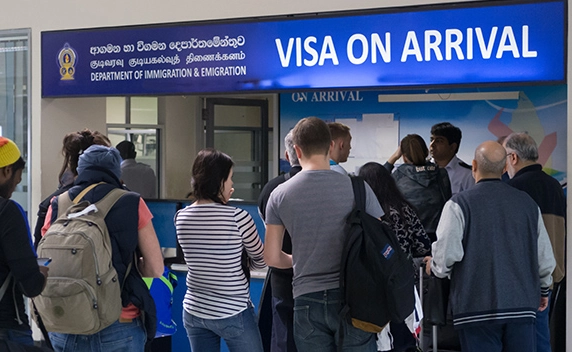
Countries Where US Citizens Can Get a Visa on Arrival
The list changes, but as of now, here are major destinations where Americans can typically obtain a visa upon arrival for tourism. Important: This is for standard US tourist passport holders. Official, diplomatic, or emergency passport rules differ.
| Country/Region | Typical Fee (USD) | Standard Stay Allowed | Key Requirements & Notes |
|---|---|---|---|
| Cambodia | $30 | 30 days | Cash (USD), 1 passport photo. Can also get an e-Visa online, which is often faster. |
| Egypt | $25 | 30 days | Must be purchased from specific bank kiosks before immigration. $15,000 minimum coverage travel insurance is now often checked. |
| Indonesia | ~$35 | 30 days | Available at major airports like Bali (DPS) and Jakarta (CGK). Not extendable. For longer stays, get a visa beforehand. |
| Jordan | 40 JOD (~$56) | 30 days | If staying 3+ nights, buy the Jordan Pass online *before travel* to waive the VOA fee and include tourist site entry. |
| Kenya | $50 | 90 days | As of 2024, you must apply for an Electronic Travel Authorization (ETA) online *before* travel. It's not a traditional VOA anymore, but you get approval pre-arrival. |
| Laos | $30-$42 | 30 days | Depends on nationality. USD cash. Photos sometimes required. |
| Madagascar | ~$37 | 30-90 days | Cash (Euro/USD) only. Process can be slow; have exact change. |
| Maldives | Free | 30 days | Technically a free VOA. Must show hotel booking and proof of sufficient funds or onward ticket. |
| Nepal | $30 (15 days) $50 (30 days) $125 (90 days) |
15-90 days | Pay in cash (USD preferred). Forms and payment counters at Kathmandu airport before passport control. |
| Sri Lanka | Free (ETA fee waived for US) | 30 days | You need an Electronic Travel Authorization (ETA) online before arrival. It's free for US citizens but mandatory. |
| Tanzania (Zanzibar) | $50 | 90 days | Single entry. Yellow fever vaccination certificate required if traveling from a country with risk. |
| Thailand | 2,000 THB (~$55) | 15 days (land) / 30 days (air) | Only at certain land borders and airports. Must show 10,000 THB cash/equivalent, onward ticket, and proof of accommodation. Heavily scrutinized. For longer stays, get a visa in advance. |
| Turkey | $30-$60 (varies) | 90 days | E-Visa online is mandatory and must be obtained before travel. It's not a true airport VOA. Don't get scammed by fake "visa on arrival" sites. |
The On-Arrival Visa Process & Required Documents
So you've landed in a country offering VOA. What next? The process usually follows these steps, but chaos is common.
Step-by-Step at the Airport
1. Locate the Visa on Arrival Counter: Don't get in the regular immigration line. Look for signs that say "Visa on Arrival," "Visa Issuance," or similar. It's often located just before the main passport control halls.
2. Complete the Application Form: Grab the form (usually available in English). Fill it out completely. A pen is your most valuable asset here—bring your own. Missing information causes delays.
3. Submit Documents & Pay Fee: Hand over your passport, completed form, photos, and cash. The fee is almost always in local currency or US dollars. Euros might be accepted in some African countries. Credit cards are rare.
4. Wait for Processing: This can take 10 minutes to over an hour. They might call your name or display your passport on a screen.
5. Receive Visa & Proceed to Immigration: Once you get your passport back with the visa sticker/stamp, join the main immigration line for the final entry stamp.
The Non-Negotiable Document Checklist
Having these ready in a folder will save you immense stress:
- Passport with Minimum Validity: This is the biggest trap. Many countries require 6 months of remaining validity beyond your departure date. Not your arrival date, your *departure* date. Check your expiry.
- Passport-Sized Photos: Usually one or two. 2x2 inch with a white background. Get them before you travel.
- Cash in the Correct Currency: Exact change is king. Assume USD or local currency. Withdraw local currency from an ATM in the arrivals hall if needed, but don't rely on it.
- Proof of Onward/Return Travel: A printed flight confirmation showing you're leaving the country before your visa expires.
- Proof of Accommodation: A printout or digital copy of your first night's hotel booking.
- Proof of Sufficient Funds: Sometimes asked for. Carry a recent bank statement or a reasonable amount of cash.
Expert Tips & Common Pitfalls to Avoid
After helping dozens of travelers, I've seen the same mistakes repeated. Here’s how to avoid them.
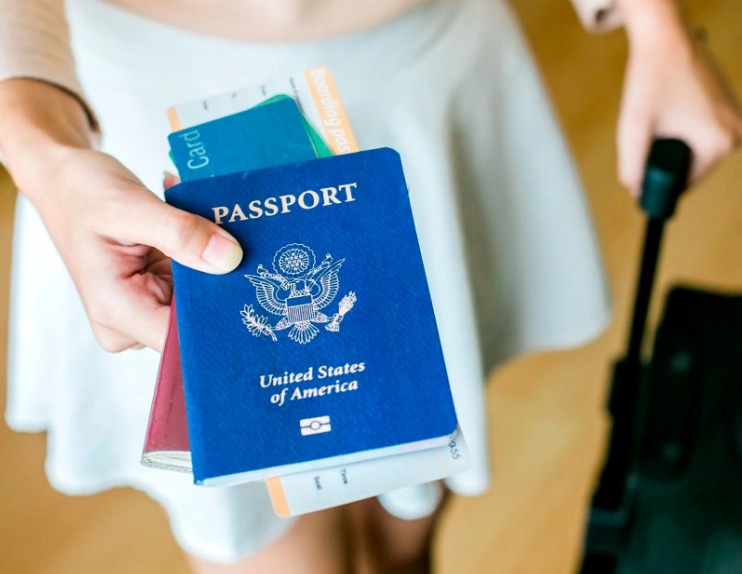
Pitfall 1: Assuming "Visa on Arrival" Means No Preparation. This is the cardinal sin. You must prepare exactly as if you were applying for a visa in advance. Have every document printed and organized.
Pitfall 2: Ignoring the Airline Check-in Agent. The airline is liable if you're denied entry. At check-in in the US, the agent will verify you meet the VOA requirements. If your passport has less than 6 months validity or you lack proof of onward travel, they can and will deny you boarding. My friend's Jordan incident started here.
Pitfall 3: Not Checking for an E-Visa Alternative. For many countries (like Kenya, Sri Lanka, Turkey, India), an Electronic Visa (E-Visa) or Electronic Travel Authorization (ETA) has replaced the traditional VOA. You must apply online days before travel. Showing up without it means you will not be allowed to board.
My Personal Strategy: I always check the IATA Travel Centre website (a tool used by airlines themselves) by entering my passport and itinerary. It gives the most current, airline-recognized entry rules. Then, I cross-reference with the official government immigration website of the destination country. This two-source verification has never failed me.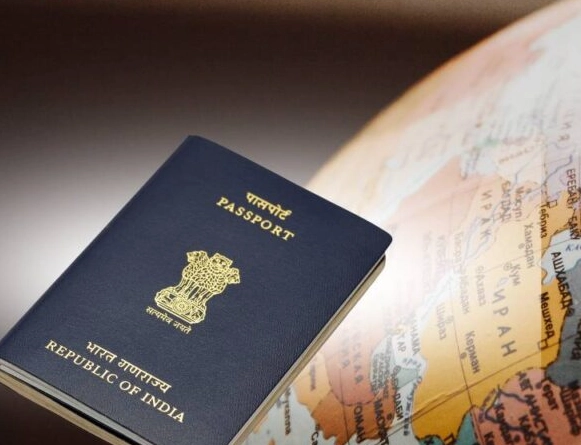



Comments
Join the discussion