Let's get this out of the way first: Antarctica tourism, as you might imagine it from other destinations, doesn't exist. You won't find a Marriott on an iceberg. There's no Airbnb hosted by penguins. You can't wander into a cozy pub after a day of glacier gazing. The phrase "Antarctica tourism antarctica does not have any" points to this fundamental truth – it lacks all the infrastructure we associate with travel. No permanent residents, no cities, no roads, no hotels, no restaurants. Zero. Planning a trip here isn't about booking.com; it's about signing up for a self-contained, floating expedition base camp.
What You'll Find in This Guide
- Understanding the "No Infrastructure" Reality
- How Antarctic Tourism Actually Works: The Expedition Cruise Model
- Choosing Your Antarctic Expedition: A Detailed Breakdown
- Your Antarctic Packing List: Beyond the Basics
- Navigating the Booking Process and Costs
- Frequently Asked Questions About Antarctica Travel
Understanding the "No Infrastructure" Reality of Antarctica Tourism
This isn't semantics. It's the core of the experience. When we say Antarctica has no tourism infrastructure, we mean everything is brought in by the operators and taken out. Your ship is your hotel, restaurant, entertainment center, and transport hub. All waste is managed onboard. All food is sourced from elsewhere. This creates a unique travel dynamic governed by the Antarctic Treaty System and its strict environmental protocols, managed by bodies like the International Association of Antarctica Tour Operators (IAATO).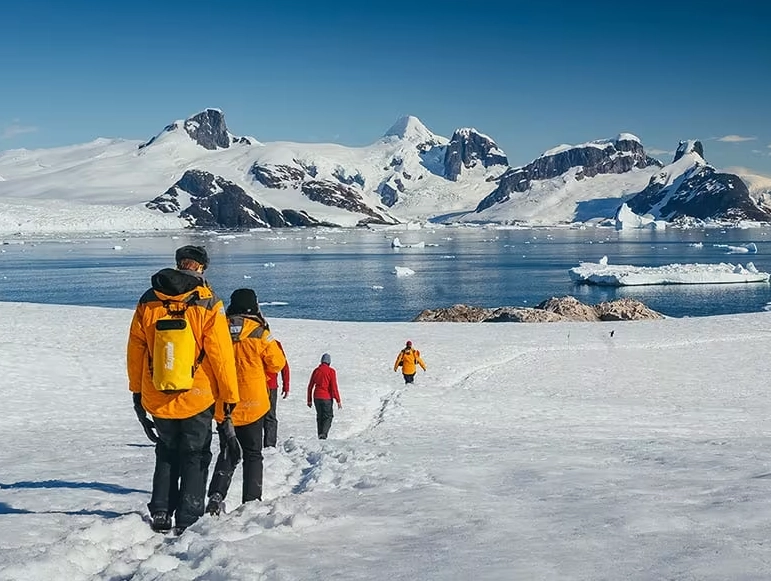
The lack of infrastructure dictates everything: group sizes are limited during landings (often 100 people ashore at a time), you can't just wander off, and every activity is supervised by expert guides. This isn't a limitation—it's what protects the place. It also means your trip is weather-dependent in a way that makes European rain look predictable. A planned landing can be scrapped in 20 minutes due to wind or ice. Flexibility isn't a nice-to-have; it's mandatory.
How Antarctic Tourism Actually Works: The Expedition Cruise Model
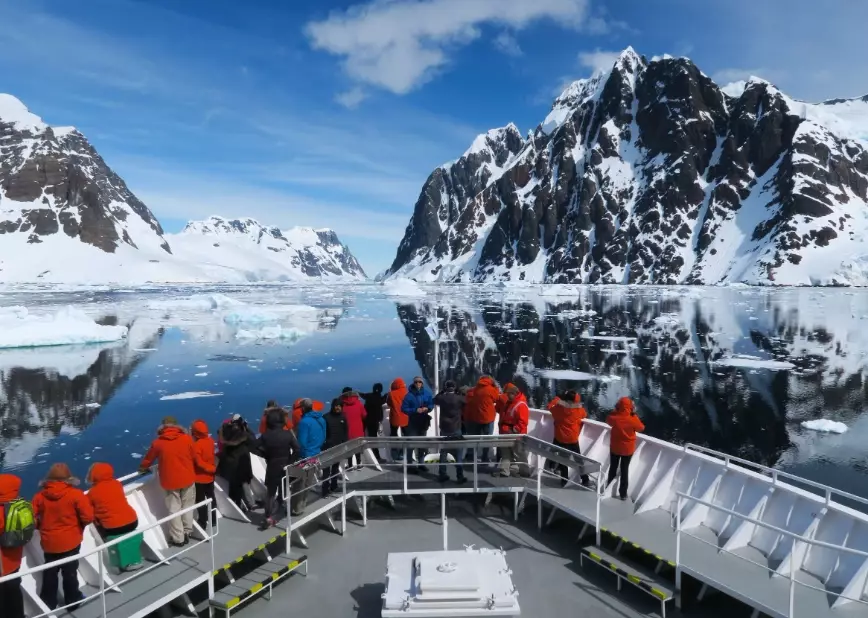
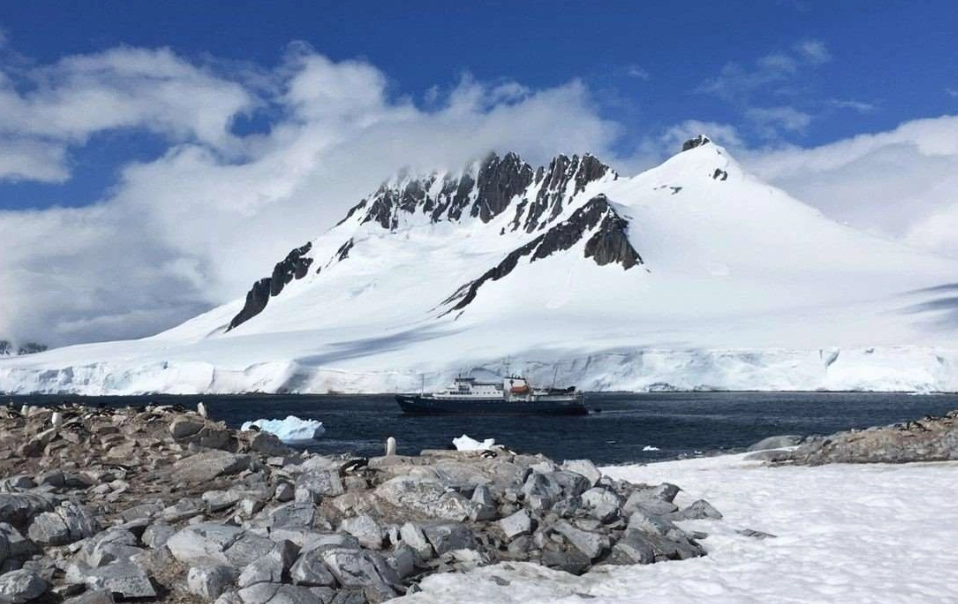
Forget massive cruise liners with casinos. Antarctic travel is done on ice-strengthened expedition vessels. These are your mobile base camps, ranging from intimate 70-passenger ships to larger 200-passenger ones. The size dramatically impacts your experience.
Smaller ships (under 100 passengers) have a huge advantage: everyone can go ashore simultaneously, as per IAATO rules. On a 200-passenger ship, you'll be rotated in groups, which can mean waiting your turn while others are out exploring. The trade-off? Smaller ships rock more in the infamous Drake Passage. The larger vessels offer more stability and sometimes more amenities like a spa or lecture theater.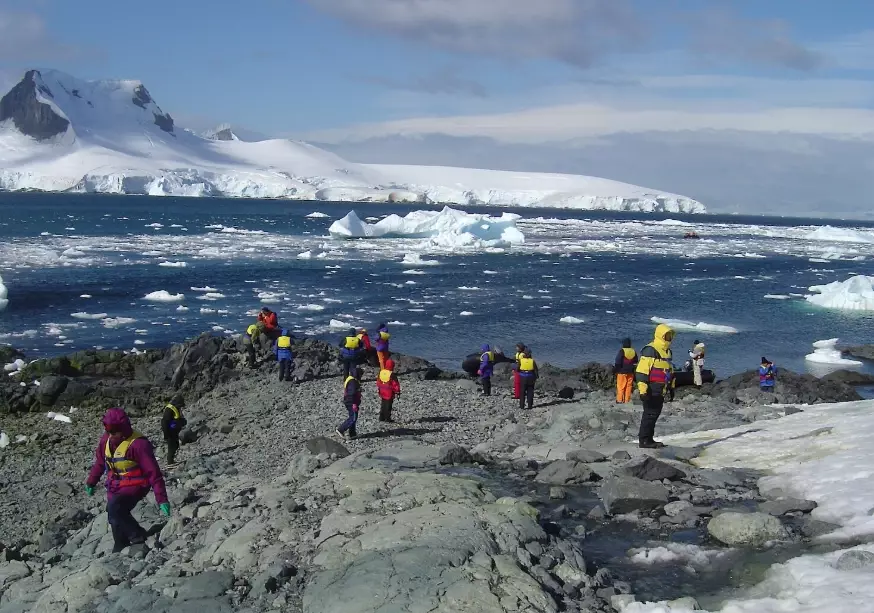
A typical day? You'll wake up to a PA announcement about the day's plan. After breakfast, you'll suit up in provided waterproof gear, queue for disinfection of your boots (to prevent invasive species), and board a Zodiac inflatable boat for a shoreline landing or a cruise amongst icebergs. You'll spend a few hours watching penguin colonies, visiting historic huts like those at Port Lockroy (managed by the UK Antarctic Heritage Trust), or simply absorbing the silence. Back on board for lunch, a lecture on glaciology or wildlife, then perhaps another landing or Zodiac cruise. Evenings involve recaps, dinner, and socializing in the lounge.
My Take: Newcomers obsess over the itinerary map. Veterans know the ship's operational style and guide team matter more. A "lesser" itinerary with a phenomenal, agile expedition leader who seizes unexpected wildlife opportunities will beat a rigid trip sticking to a plan any day. I've seen trips where a planned stop was iced in, but the team found a pod of feeding humpbacks, turning a potential disappointment into the trip's highlight.
Choosing Your Antarctic Expedition: A Detailed Breakdown
This is where most people get lost. It's not just "a cruise to Antarctica." The route, duration, and activities define the trip. Here’s a breakdown of the main options.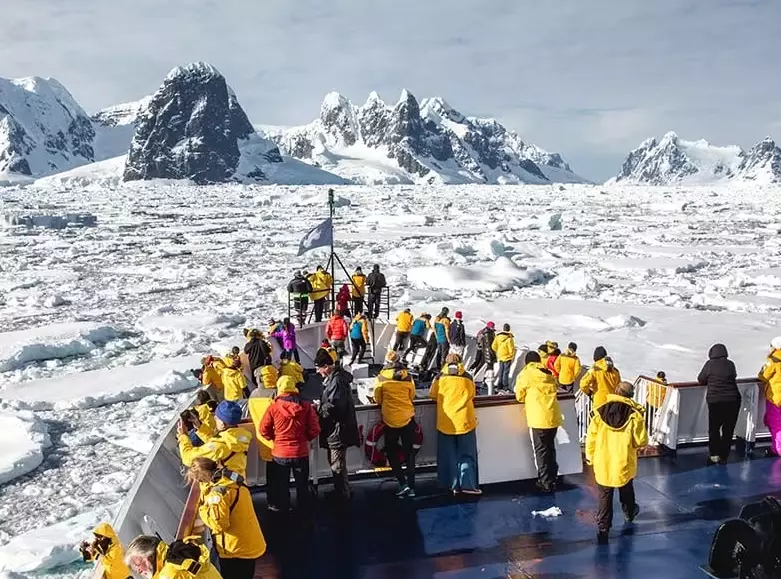
| Route / Focus | Typical Duration | What You'll See & Do | Best For | Approx. Cost Range (USD) |
|---|---|---|---|---|
| Antarctic Peninsula Classic | 10-12 days | Cross the Drake, multiple landings on the peninsula, penguin colonies (Gentoo, Adelie, Chinstrap), Zodiac cruises, Deception Island, Lemaire Channel. | First-timers, those with limited time. The most popular and accessible option. | $7,000 - $15,000+ |
| Antarctic Circle Crossing | 13-15 days | Everything in the Classic, plus sailing south of 66°33'S for the ceremonial crossing, more pristine & less-visited sites. | Travelers wanting to go deeper south, seeking bragging rights and a greater sense of remoteness. | $9,000 - $20,000+ |
| Fly-Cruise (Drake Passage by Air) | 8-10 days | Fly from Punta Arenas, Chile to King George Island, join ship. Avoids the Drake Passage sea crossing entirely. | Those severely prone to seasickness or with very limited time. Less time actually in Antarctica due to flight logistics. | $12,000 - $25,000+ |
| Activity-Focused (Kayaking, Camping, Mountaineering) | 11-14 days | Standard itinerary plus pre-booked adventure options. Sea kayaking amidst icebergs, overnight camping on snow, snowshoeing, or even beginner mountaineering. | Active travelers wanting immersive, hands-on experiences beyond landings. These book out very early. | $10,000 - $25,000+ (plus activity fees) |
Operators like Quark Expeditions, Hurtigruten Expeditions, Poseidon Expeditions, and Oceanwide Expeditions are major players, each with different fleet styles. Don't just look at the brochure price. Scrutinize what's included: are all meals, Zodiac excursions, parka rental, and landing fees covered? Is there a dedicated doctor onboard? What's the guide-to-passenger ratio?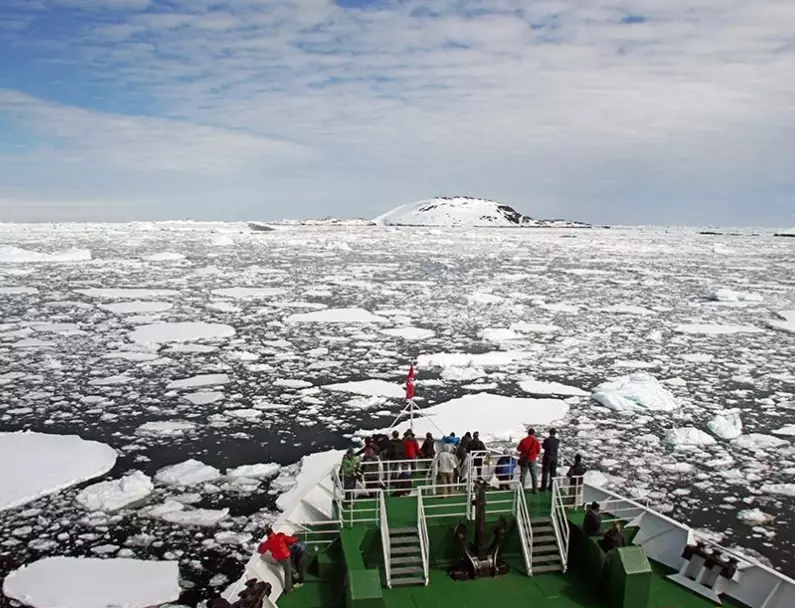
The Hidden Factor: Ship Ice Class
This is a technical detail most blogs gloss over, but it matters. An ice-strengthened hull (like Ice Class 1C or 1B) is standard. A higher Polar Class (PC) rating (like PC5 or PC6) means the ship can safely navigate heavier ice, potentially opening up more landing sites in early or late season when ice is more prevalent. It's a mark of a more capable expedition vessel versus a converted cruise ship.
Your Antarctic Packing List: Beyond the Basics
You'll get a list from your operator, but here are the non-obvious items that make a real difference, born from seeing what people regret not bringing.
Layering is Everything: The provided parka is for the outer shell. Your mid-layers are critical. Avoid cotton entirely. It gets wet and stays wet. Merino wool or synthetic thermal base layers, a fleece, and a lightweight insulated jacket (like a puffer) are the core. Bring two sets of base layers – you'll want a dry set after a day out.
Footwear & Extremities: They provide boots. Bring your own high-quality, warm socks (merino again). Multiple pairs. For onboard, comfortable shoes with non-slip soles are key – decks can be wet. A warm hat that covers your ears, a neck gaiter (balaclava), and two pairs of gloves: a thin liner pair for photography and a thick waterproof outer pair. You'll be taking gloves on and off constantly.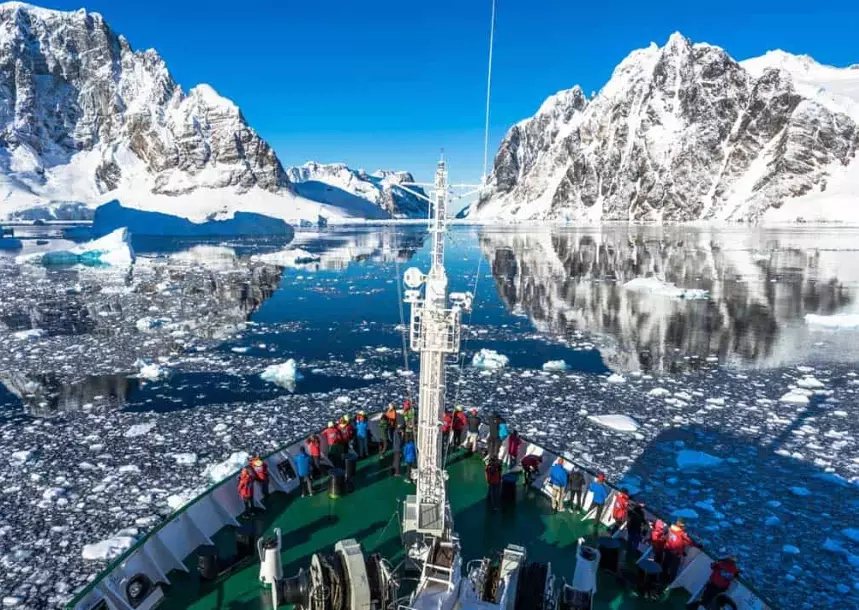
The Game-Changers:
- Power Bank: Batteries die fast in the cold. A high-capacity power bank ensures your camera and phone keep going during long landings.
- Drysacks or Ziploc Bags: For keeping cameras, phones, and spare gloves dry during Zodiac transfers, which can be splashy.
- High-Protection Sunglasses & Sunscreen: The ozone hole and reflection off ice and water make UV radiation extreme. You can get sunburned on a cloudy day.
- Motion Sickness Remedy: Even if you think you're fine. The Drake Passage is legendary. Get a prescription for scopolamine patches (like Transderm Scop) if you can, or have non-drowsy pills as backup.
- Small Backpack: For carrying layers you shed, water, and camera gear ashore.
Navigating the Booking Process and Costs
Antarctica isn't a last-minute deal destination (usually). The season runs November to March. Booking 12-18 months in advance is common for the best cabin selection and specific activity add-ons. However, last-minute deals do pop up 1-3 months before departure, but you sacrifice choice and may not get activities like kayaking.
Costs are significant. The table gives ranges, but remember this is all-inclusive: transport from a gateway city (usually Ushuaia, Argentina), accommodation, all food, guided excursions, lectures. The main variables are cabin category (from shared quad to suite with balcony) and trip length/route. Travel insurance with evacuation coverage is not optional; it's a requirement from any reputable operator.
A realistic total budget for a classic 11-day trip in a twin cabin starts around $9,000-$12,000 per person, plus flights to South America, insurance, and gear. It's an investment, but one that funds the complex, low-impact logistics required to operate in such a fragile environment.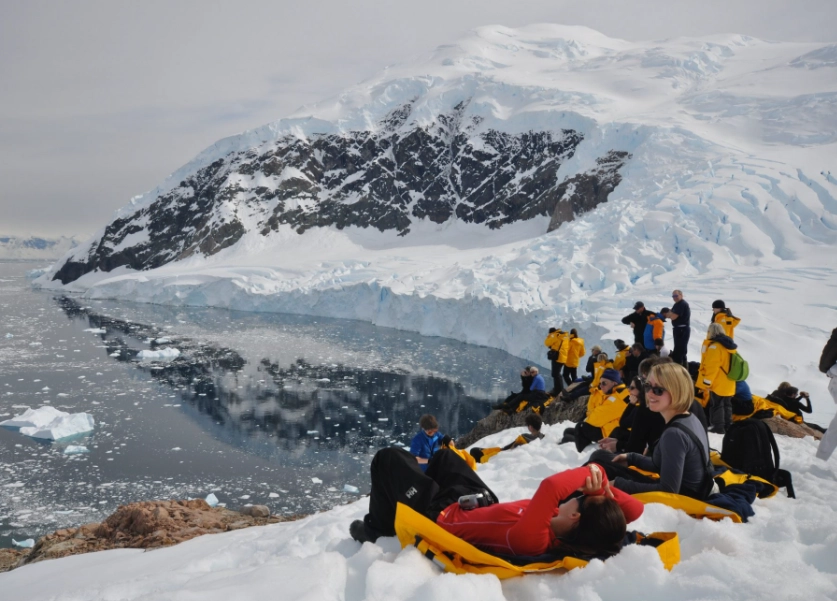

Comments
Join the discussion