Quick Navigation
- First Things First: When to Go and What to Expect
- Crafting Your Irish Adventure: Regions & Itineraries
- How to Get Around: The Great Transport Debate
- Where to Stay: More Than Just a Bed
- Eating, Drinking, and Not Just Guinness
- Practical Stuff: Money, Connectivity, and Not Getting Lost
- Answers to the Questions You're Probably Googling
- Wrapping It Up: Your Irish Mindset
Let's be honest. When you picture Ireland tourism, it's probably a postcard. Lush green fields, a lonely castle ruin, maybe a smiling local with a pint. And yeah, that exists. But there's so much more—and also, sometimes, a lot less (I'm looking at you, mythical sunny days). Planning a trip here can feel overwhelming. Do you chase the famous spots or wander off the map? Is a road trip pure magic or a logistical headache? I've done both, gotten lost more than once, and had some of the best travel experiences of my life here.
This isn't a fluffy brochure. It's a straight-talk guide to navigating the Emerald Isle, warts and all. We'll dig into when to go, where to spend your time (and where you can maybe skip), how to get around without losing your mind, and how to experience the Ireland that lives beyond the souvenir shops. Consider this your one-stop shop for planning an unforgettable Irish adventure.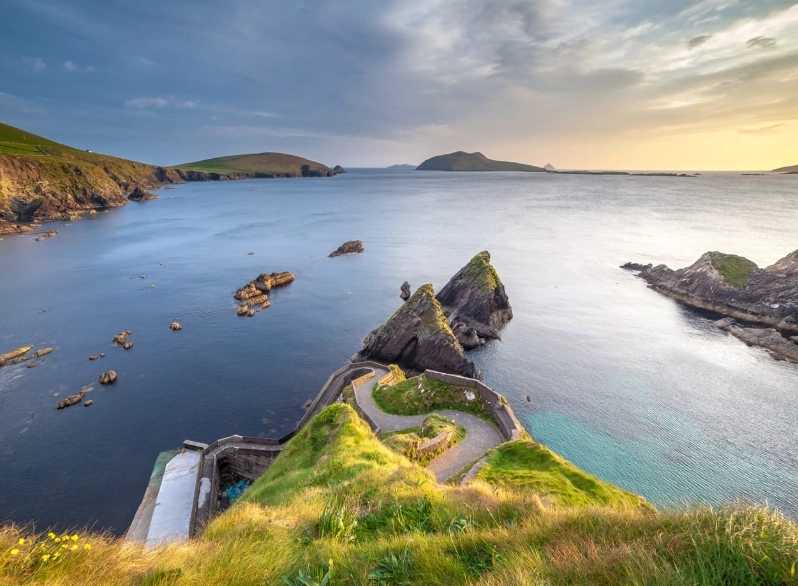
First Things First: When to Go and What to Expect
This is the million-dollar question, and the answer depends entirely on what you hate more: crowds or rain.
Summer (June-August) is peak season for a reason. The days are gloriously long, with daylight stretching past 10 PM. Everything is open, festivals are in full swing, and the countryside is at its most vibrant. But—and it's a big but—everyone else has the same idea. Popular sites like the Cliffs of Moher or the Ring of Kerry can feel like a theme park. Accommodation prices skyrocket, and you need to book everything months in advance. I once made the mistake of rolling into Dingle in July without a reservation... let's just say I learned my lesson.
Shoulder seasons (April-May and September-October) are my personal sweet spot for Ireland tourism. You dodge the biggest crowds, prices are more reasonable, and the weather is often still quite cooperative. May, in particular, is stunning with wildflowers everywhere. September offers a chance to see the landscapes start to turn with autumn colors. Some coastal attractions or smaller B&Bs might have reduced hours, but it's rarely a deal-breaker.
Winter (November-March) is for the brave and the budget-conscious. It's dark, wet, and windy. But it's also incredibly atmospheric. Imagine having a medieval castle almost to yourself, or cozying up by a peat fire in a rural pub. Christmas markets are charming. Just be prepared for some attractions to be closed, and for rural travel to be occasionally disrupted by weather. It's a different, more intimate kind of trip.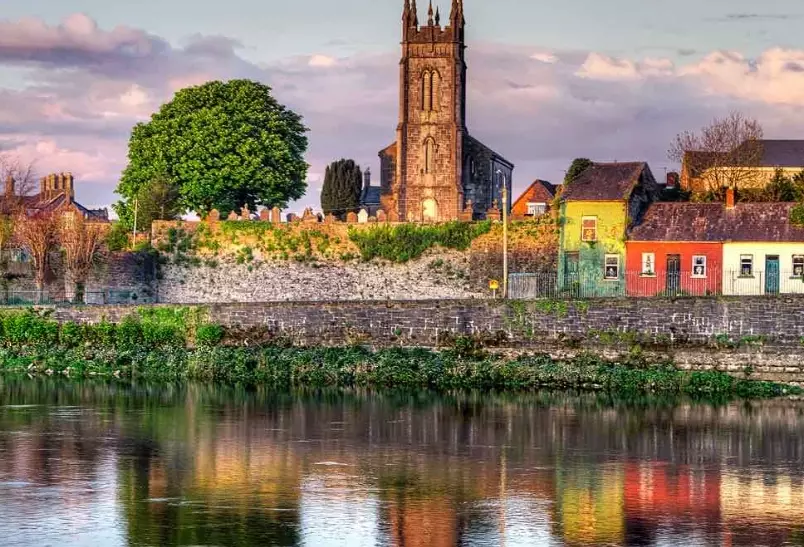
Crafting Your Irish Adventure: Regions & Itineraries
Ireland might look small on a map, but it's packed. Trying to see it all in one go is a recipe for exhaustion. It's better to pick a region or two and explore them deeply. Here’s a breakdown to help you choose.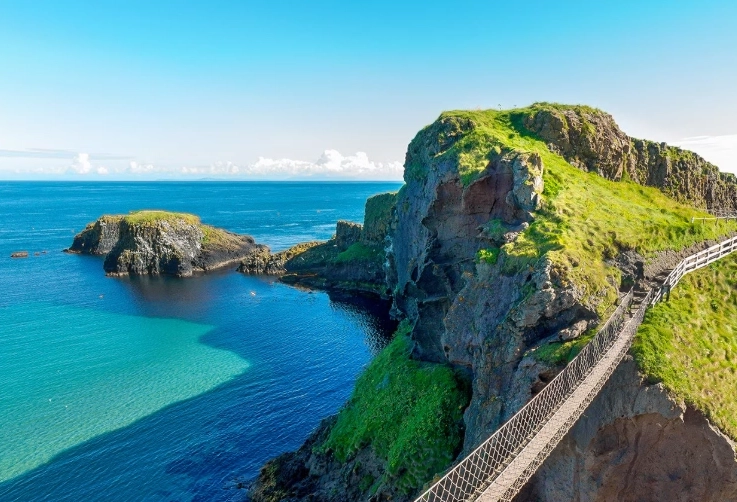
The East & Dublin: The Lively Gateway
For most, Ireland tourism starts in Dublin. It's a proper capital city—bustling, historical, and expensive. The Book of Kells at Trinity College is genuinely awe-inspiring (book online to skip the epic queue). Kilmainham Gaol offers a sobering, must-see lesson in Irish history. And yes, the Guinness Storehouse is touristy, but the view from the Gravity Bar is worth the price of admission.
But Dublin's magic is in its neighborhoods. Wander around Georgian squares, get lost in the small galleries of Temple Bar (avoid the main pub-packed streets at night—it's a tourist trap), and find your own perfect pub. Just outside the city, you've got the dramatic coastal cliffs of Howth and the genteel charm of Malahide Castle.
My take? Dublin is essential for a couple of days.
But don't let it eat your whole trip. The real Ireland is out there.
The Wild Atlantic Way: The Crown Jewel
This is the big one. A 2,500 km (1,550 mile) signposted route along the entire west coast. You don't drive the whole thing (unless you have months). You pick sections. This is where Ireland tourism dreams are made.
The southwest (County Kerry & Cork) is the classic postcard. The Ring of Kerry is a beautiful drive, but can be congested. I actually prefer the smaller, steeper, and more dramatic Ring of Beara. Killarney National Park is a gem, and the town of Killarney itself is a great, if busy, base. Further south, Cork city is a fantastic foodie destination, and the nearby Blarney Castle is... well, you kiss the stone if you feel you must. I found the gardens more interesting than the stone itself.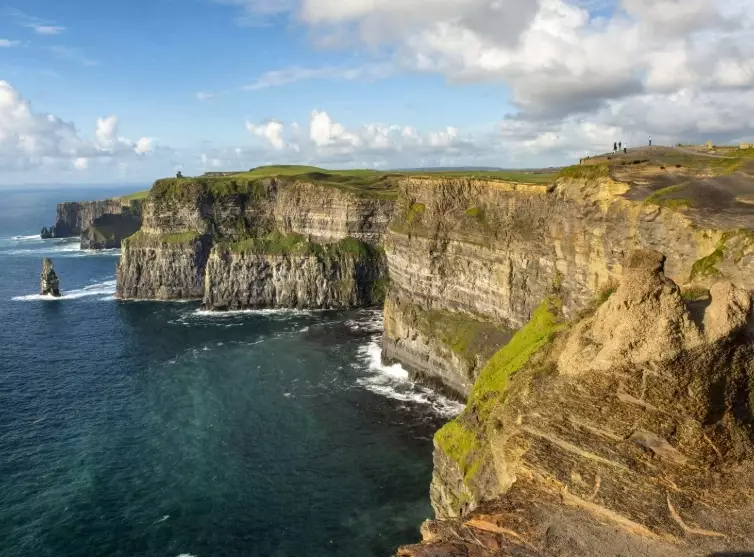
The west (County Clare & Galway) is raw and musical. The Cliffs of Moher are spectacular, but go early or late to avoid the coaches. The Burren, a vast limestone lunar landscape, is utterly unique—look for the ancient Poulnabrone dolmen. Galway city is the beating heart of the region. It's vibrant, walkable, and has trad music spilling out of pubs every night. It's a fantastic place to just be.
The northwest (County Donegal & Sligo) is where you go to get away from it all. This is Ireland at its most rugged and remote. Slieve League has sea cliffs that are nearly three times higher than the Cliffs of Moher, with a fraction of the visitors. The Glenveagh National Park is breathtakingly wild. It feels untouched.
The Ancient East & Northern Ireland
Often overlooked, this region is steeped in pre-medieval history. You'll find Neolithic tombs older than the pyramids, like Newgrange in the Boyne Valley. It's a profound experience, especially if you can get a ticket for the winter solstice illumination.
Crossing into Northern Ireland (part of the UK, so pounds sterling are used) is seamless. The Giant's Causeway is a geological wonder—just try to ignore the massive visitor center and head straight for the stones. The nearby Carrick-a-Rede Rope Bridge is a thrilling (if short) walk. And then there's Belfast. Its Titanic Museum is one of the best I've ever visited—deeply engaging and beautifully designed. The city's political history is complex; a Black Cab Tour is a respectful and illuminating way to understand it.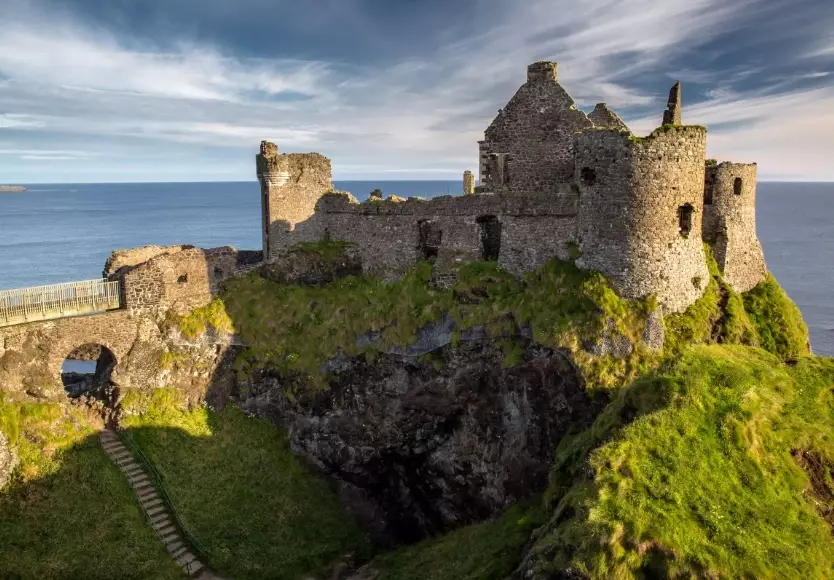
How to Get Around: The Great Transport Debate
This is a major fork in the road for your Ireland tourism plans.
Renting a Car: This is the key to freedom. It lets you explore tiny villages, hidden beaches, and stop for photos whenever you want. But it's not for the faint of heart. Roads are narrow, especially in the west. You'll be sharing them with sheep, cyclists, and tour buses. Driving on the left takes concentration. Rental costs, especially insurance, can be high. And parking in cities is a nightmare and expensive.
If you do drive, get the smallest car you can manage. Trust me. And consider an automatic transmission unless you're very comfortable with a manual (stick shift).
Public Transport: It's better than its reputation. Trains (Irish Rail) are comfortable and connect major cities efficiently. Buses (Bus Éireann and private coaches like Citylink) go everywhere. You can absolutely have a great trip using buses and trains, especially if you're focusing on towns and cities. Tours can fill in the gaps to reach specific natural attractions. It's cheaper, less stressful, and more sustainable. The downside? You're on a schedule, and the deepest rural areas become much harder to reach.
| Transport Mode | Best For | Biggest Challenge | My Recommendation |
|---|---|---|---|
| Rental Car | Deep exploration, flexibility, remote areas, photographers. | Narrow roads, left-side driving, cost/parking stress. | Ideal for 2+ people focusing on rural/western regions for a week or more. |
| Public Transport & Tours | Solo travelers, city-focused trips, budget travelers, those who don't want to drive. | Fixed schedules, limited access to remote spots, longer travel times. | Perfect for a Dublin/Galway/Belfast triangle or if you hate the idea of driving. |
| Organized Tour | First-time visitors, social travelers, zero-stress planning. | Lack of freedom, rushed schedules, touristy stops. | A great intro if planning overwhelms you, but you'll see a curated Ireland. |
Where to Stay: More Than Just a Bed
Your accommodation can define your Ireland tourism experience.
Hotels & Guesthouses: Range from sleek city boutiques to charming country houses. You know what you're getting. Booking.com and direct websites are your friends.
Bed & Breakfasts (B&Bs): This is the classic Irish experience. Usually family-run homes with a handful of rooms. The included breakfast is often huge and homemade (think Irish fry-up). The hosts are typically fonts of local knowledge. You can find them on platforms like The Irish Family Bed & Breakfast Association (IFBBA) or general booking sites.
Self-Catering: Cottages, apartments, or houses. Fantastic for families or groups, giving you space and the option to cook. Great for longer stays in one area.
Hostels: Not just for backpackers! Irish hostels are often very clean, modern, and offer great private rooms at a fraction of hotel prices. They're brilliant for meeting other travelers.
Castles & Historic Hotels: Yes, you can actually stay in a castle. It's a splurge, but for a special night, it's unforgettable. Check out offerings from groups like Ireland's Blue Book for unique historic properties.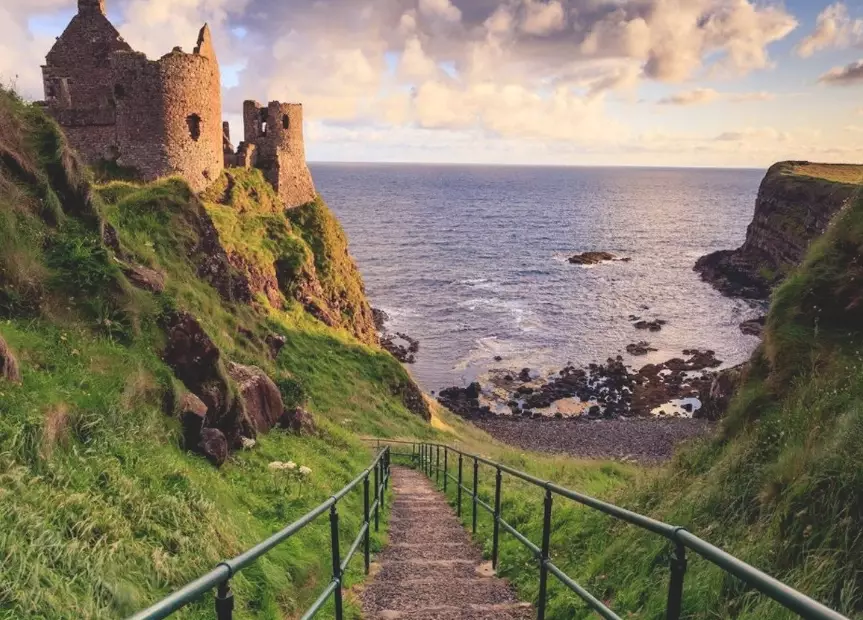
Eating, Drinking, and Not Just Guinness
Irish food has had a revolution. Forget the stereotypes of bland boiled dinners.
The Pub: It's the social hub of the country. Go for a pint, sure (Guinness, Smithwick's, or a local craft beer). But also go for the craic (pronounced "crack," meaning fun/good conversation). Live traditional (trad) music sessions are the soul of Ireland tourism. Don't just watch—listen, tap your foot, maybe even chat with the musician on a break.
Food: Seafood is incredible on the coast—oysters in Galway, salmon from the Atlantic. Look for restaurants using local, seasonal produce. A full Irish breakfast is an experience (and will fuel you for hours). And you have to try brown bread. Every place makes it differently, and it's always good.
Farmers' markets are everywhere and are a great way to sample local cheese, chutneys, and baked goods. For official listings of producers and markets, the Bord Bia (Irish Food Board) website is a useful resource.
A word on whiskey.
It's not just Jameson (though the Midleton distillery tour in Cork is fantastic). Explore single pot still Irish whiskey from distilleries like Teeling in Dublin or the many smaller ones popping up. It's a different, often smoother beast than Scotch.
Practical Stuff: Money, Connectivity, and Not Getting Lost
- Money: Euro in the Republic, Pound Sterling in Northern Ireland. Cards are accepted almost everywhere, even in many pubs. But always have some cash for rural areas, small vendors, or tipping tour guides.
- Connectivity: Free WiFi is widespread in accommodations and cafes. For constant data, consider an eSIM or a local SIM card from providers like Three or Vodafone upon arrival. Coverage is generally good, but can be spotty in very remote western areas.
- Tipping: Not obligatory. In restaurants, 10-15% for good service is appreciated. For taxis, round up the fare. In pubs, you don't tip per drink.
- Safety: Ireland is an exceptionally safe country for travelers. Normal city precautions apply in Dublin. The biggest hazards are often weather-related (slippery paths, sudden fog on cliffs) or on the roads.
- Sustainable Travel: It's becoming a huge part of responsible Ireland tourism. The landscapes are fragile. Stick to marked paths, especially on cliffs and in peat bog areas. "Leave no trace" is the golden rule. Consider using public transport for part of your trip, supporting local businesses, and avoiding single-use plastics. The Fáilte Ireland (National Tourism Development Authority) has great resources on green travel initiatives.
Answers to the Questions You're Probably Googling
Wrapping It Up: Your Irish Mindset
Planning your Ireland tourism adventure is part of the fun. But the secret sauce isn't in a perfect itinerary. It's in the mindset you bring.
Embrace the weather. A misty day in the mountains can be more atmospheric than a sunny one. Talk to people. Irish people are famously friendly and will happily chat if you're not in a frantic rush. Slow down. Don't try to see six counties in five days. Pick two or three bases and explore from there.
Some of my fondest memories aren't from the big sights. They're from getting caught in a rain shower and ducking into a tiny pub where the fire was lit, from a farmer giving me impromptu directions that turned into a 20-minute history lesson, from the silence on top of a deserted headland with only the sound of the waves below.
Ireland gives you what you're open to receiving. Come for the famous landscapes, but stay for the moments in between. That's where you'll find the magic.
Now, start dreaming of those green roads. Just remember to pack that rain jacket.
Comments
Join the discussion