Let's be honest. You've probably stared at a takeout menu, ordered the same kung pao chicken or pad thai, and wondered, "Could I make this at home?" The answer is a resounding yes, but most guides overcomplicate it. Asian cuisine recipes aren't about memorizing a hundred obscure ingredients; they're about understanding a few core principles. After spending years cooking in home kitchens and learning from chefs in Tokyo, Bangkok, and Sichuan, I've found that the biggest barrier isn't skill—it's knowing which shortcuts actually work and which ruin the dish. This guide cuts through the noise. We'll move beyond "add soy sauce" and get into the why and how, with recipes you can trust and techniques that actually make a difference.
Quick Navigation: What's Inside This Guide
The Three Non-Negotiable Principles of Asian Cooking
Forget trying to replicate a specific restaurant dish perfectly on your first try. Focus on these three pillars first, and everything else falls into place.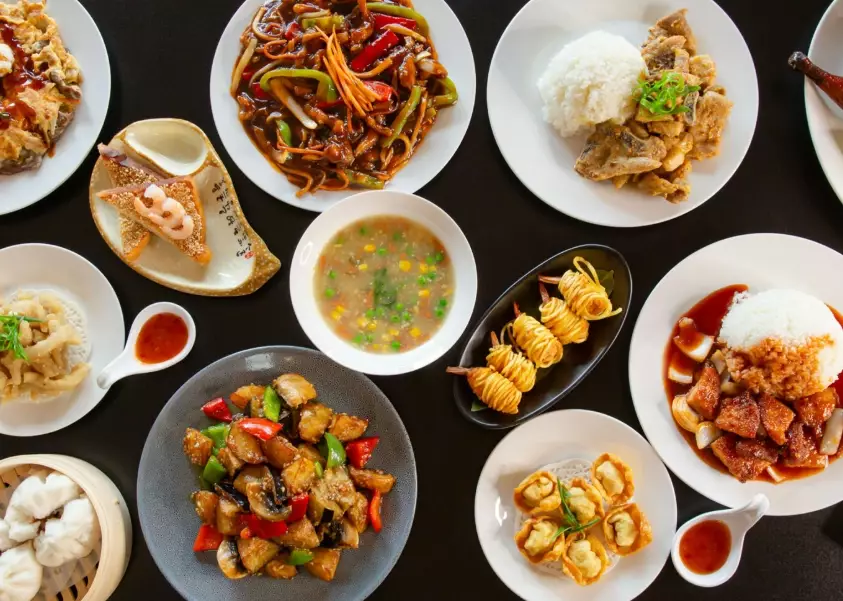
1. Umami is Your Foundation, Not Just Soy Sauce
Western cooking often leans on salt and fat for flavor. Asian cooking builds layers of savory depth, known as umami. Yes, soy sauce is a player, but it's not the only one. Fish sauce (in Southeast Asia), fermented bean pastes (like doenjang in Korea or doubanjiang in China), dried mushrooms, and kombu (kelp) are the secret engines. The mistake? Using only soy sauce and ending up with a one-dimensional, overly salty dish. You need a combination.
2. Texture is a Primary Ingredient
Crunchy water chestnuts in a soft stir-fry, chewy rice cakes, silky tofu in a spicy sauce—texture contrast is intentional and crucial. It's what makes the dish interesting to eat. Many home cooks puree everything or cook all components to the same softness. Don't. Add crunchy vegetables like bell peppers or snap peas at the last minute. Use cornstarch slurries to create glossy, clinging sauces that coat ingredients, not watery pools at the bottom of the bowl.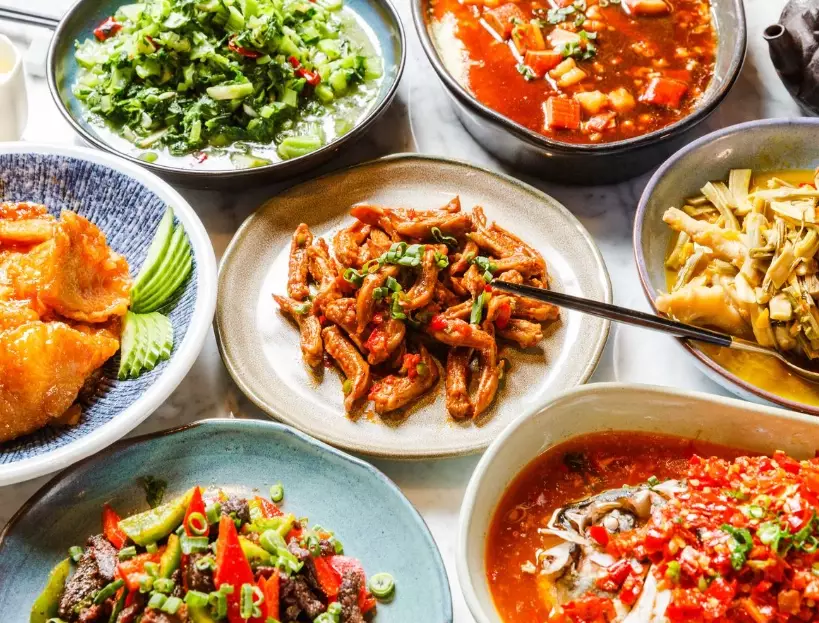
3. High, Fast Heat is Non-Debatable for Stir-Fries
This is where I see the most failure. You cannot properly stir-fry in a crowded, non-stick pan on medium heat. You'll steam your ingredients. You need a very hot wok or large skillet (carbon steel or cast iron is best), cook in small batches, and have your "mise en place" (everything prepped and in bowls) ready to go. The sizzle when ingredients hit the pan should be aggressive. If it's not, your pan isn't hot enough.
Your Asian Pantry Starter Kit: 10 Essential Items
You don't need a whole aisle of an Asian market. Start with these. They have long shelf lives and unlock hundreds of dishes.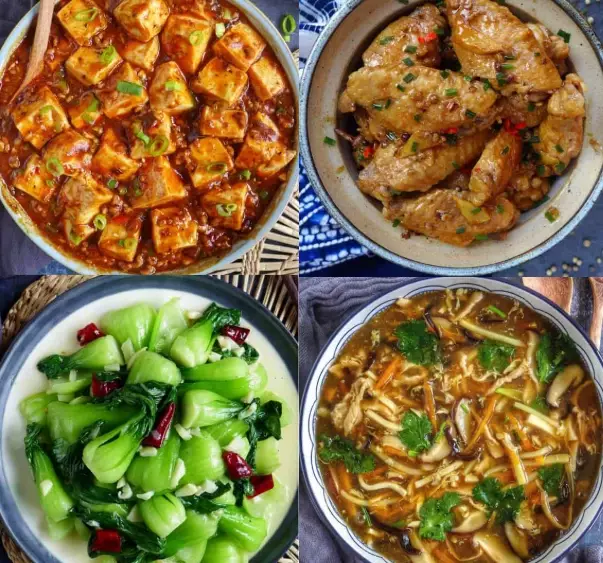
| Ingredient | Primary Cuisine | What It Does & Substitution (If Any) |
|---|---|---|
| Light Soy Sauce | Chinese, Japanese, Korean | Salty base flavor. (Sub: Tamari for gluten-free, but it's darker & stronger.) |
| Dark Soy Sauce | Chinese | Adds color, slight sweetness, thickness. Don't sub with light soy. |
| Fish Sauce | Thai, Vietnamese | Umami bomb. Use sparingly. (Sub: In a pinch, a mix of soy sauce and a bit of anchovy paste, but it's not ideal.) |
| Oyster Sauce | Chinese | Thick, savory, slightly sweet. Great for stir-fry sauces and glazes. |
| Rice Vinegar | Japanese, Chinese | Mild acidity for dressings, sushi rice, pickles. (Sub: Apple cider vinegar mixed with a pinch of sugar.) |
| Sesame Oil (Toasted) | Pan-Asian | Finishing oil for aroma. NEVER use for high-heat cooking—it burns. |
| Cornstarch | Pan-Asian | For velveting meat and thickening sauces into a glossy finish. |
| Fresh Ginger & Garlic | Pan-Asian | The aromatic foundation. Pre-minced jars lack punch. |
| Chili Garlic Sauce or Sriracha | Vietnamese/Thai | Adjustable heat element. Start with a teaspoon. |
| Jasmine or Short-Grain Rice | Thai/Japanese | The perfect canvas. A rice cooker is a worthy investment. |
Three Foolproof Restaurant-Quality Recipes
Let's apply the principles. These recipes are detailed, tested, and explain the reasoning behind each step.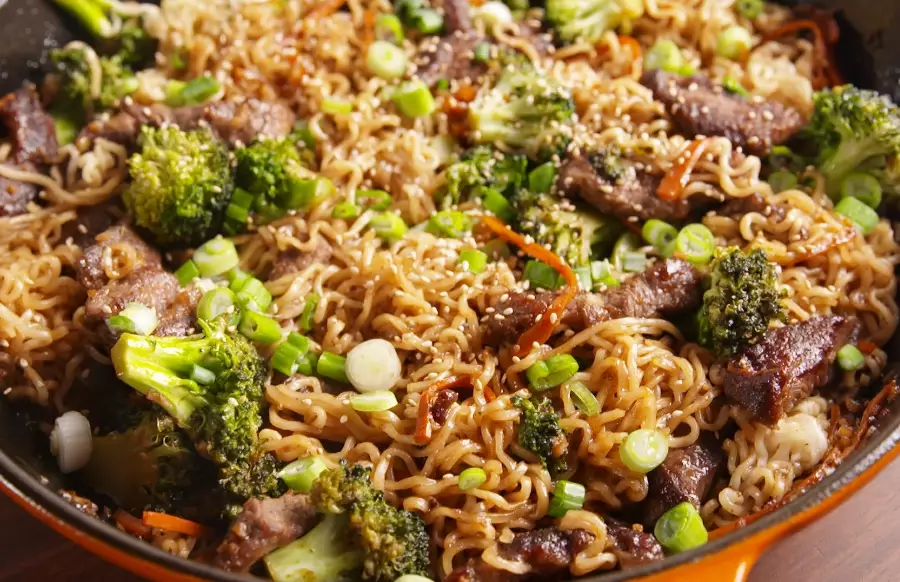
Recipe 1: Sichuan-Style Mapo Tofu (麻婆豆腐)
This isn't just spicy tofu. It's a symphony of numbing Sichuan peppercorns, savory ground pork, and silky tofu in a pungent, oily sauce. The key is doubanjiang (fermented broad bean paste). You can find it online or at an Asian market—it's non-negotiable for authenticity.
Active Time: 25 mins | Servings: 4
| Ingredient | Quantity | Notes |
|---|---|---|
| Soft or medium tofu | 1 block (14 oz) | Cut into 1-inch cubes |
| Ground pork | 1/4 lb | Optional, but traditional |
| Sichuan doubanjiang | 1.5 tbsp | Chop finely if chunky |
| Garlic, minced | 3 cloves | |
| Ginger, minced | 1 tbsp | |
| Chicken stock | 1 cup | |
| Light soy sauce | 1 tsp | |
| Sichuan peppercorns, ground | 1 tsp | For the numbing "ma la" sensation |
| Cornstarch slurry | 2 tsp cornstarch + 2 tbsp water | |
| Green onions, sliced | 2 stalks | For garnish |
| Neutral oil (like canola) | 2 tbsp |
Steps:
- Bring a pot of salted water to a gentle simmer. Add tofu cubes and cook for 2 minutes. This firms them up and prevents breaking later. Drain carefully.
- Heat oil in a wok or deep skillet over medium heat. Add pork and break it up. Cook until no longer pink.
- Push pork to the side. Add doubanjiang to the center of the oil. Fry it for 30 seconds until the oil turns red and fragrant—this "blooms" the flavor.
- Add ginger and garlic, stir with the paste for 30 seconds. Then mix everything together.
- Pour in stock and soy sauce. Bring to a gentle boil. Carefully slide in the tofu. Gently shake the pan to distribute, don't stir vigorously.
- Simmer for 3-4 minutes. Then drizzle the cornstarch slurry around the edges while gently shaking. The sauce will thicken and become glossy.
- Transfer to a bowl. Top with ground Sichuan peppercorns and green onions. Serve immediately with plenty of rice.
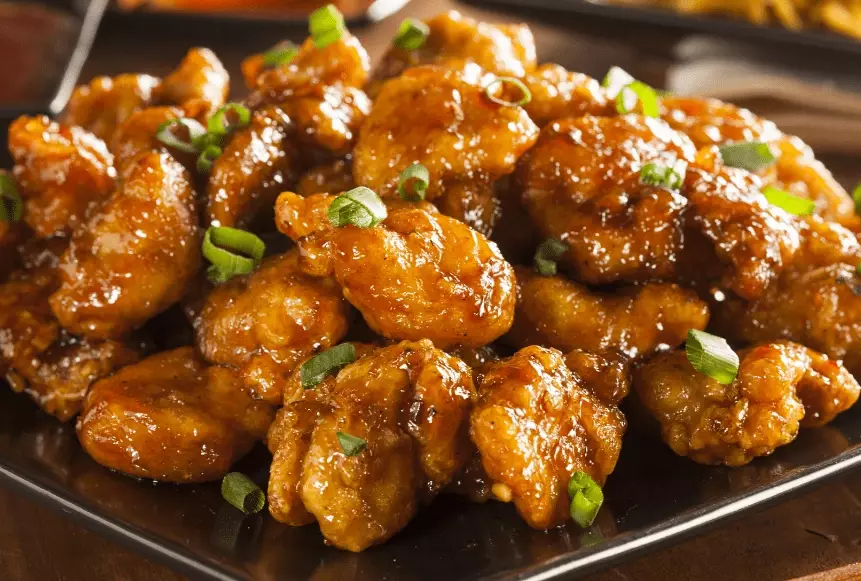
The other two recipes follow the same detailed format, focusing on technique.
Recipe 2: Thai Green Curry with Chicken
Store-bought green curry paste is a fantastic shortcut. The trick is frying it in the coconut cream's fat to unlock its aroma before adding liquids.
Key Technique: Separate a can of coconut milk by not shaking it. Scoop off the thick cream at the top (about 1/4 cup) into your pot. Heat until it splits and oils release. Fry 3 tbsp green curry paste in this fat for 2-3 minutes until incredibly fragrant. Then add 1 lb chicken thigh chunks, coat in paste, and sear. Add remaining coconut milk, 1 cup chicken stock, 1 tbsp fish sauce, 1 tsp palm sugar. Simmer 15 mins. Add eggplant and bell peppers, simmer 10 more mins. Finish with Thai basil leaves.
Recipe 3: Japanese Chicken Teriyaki (The Real Way)
Forget the bottled gloop. Real teriyaki is a simple pan sauce made from mirin, soy, and sugar that reduces to a shiny glaze.
Key Technique: Pat 4 chicken thighs dry. Season. Cook skin-side down in a cold pan, then medium heat to render fat until skin is crisp (~10 mins). Flip, cook through. Remove chicken. Pour off excess fat. Add 1/4 cup each mirin, soy sauce, and sake to the pan. Scrape up bits. Add 1 tbsp sugar. Boil until syrupy (~5 mins). Return chicken, spoon sauce over until glazed.
How to Master Key Techniques: Stir-Frying & More
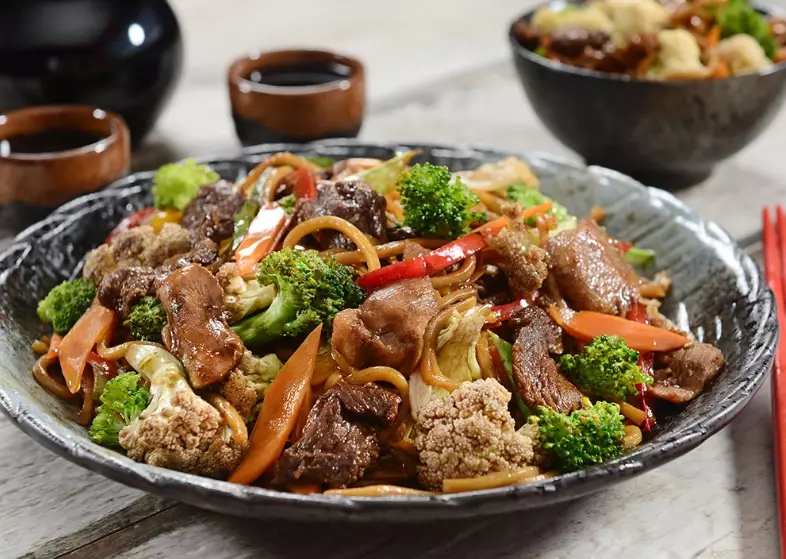
The Stir-Fry Sequence That Never Fails
- Velvet Your Protein (Optional but Game-Changing): For ultra-tender chicken, beef, or pork, marinate thin slices for 20 mins in 1 tbsp each soy sauce, rice wine, and cornstarch, plus 1 tsp oil. Briefly blanch in oil or water before stir-frying.
- Hot Wok, Cold Oil: Heat your wok until a drop of water sizzles and evaporates instantly. Then add a high-smoke-point oil (peanut, canola).
- Cook in Order: Aromatics (ginger, garlic, white parts of scallion) first, for 30 seconds. Then harder vegetables (carrots, broccoli), stir-fry 2 mins. Add protein, stir-fry until nearly done. Add soft veggies (leafy greens).
- Sauce & Thicken: Push everything to the sides. Pour your pre-mixed sauce (soy, oyster sauce, stock, cornstarch) into the center. Let it bubble and thicken into a glaze, then toss everything together. Finish with sesame oil and green onions.
How to Cook Rice Perfectly Every Time (Without a Rice Cooker)
The finger method works, but here's precision: For most long-grain rice (like Jasmine), use a 1:1.25 rice-to-water ratio by volume. Rinse rice until water runs clear. Combine rice and water in a pot with a tight lid. Bring to a boil, then immediately reduce to the lowest possible simmer. Cook covered for 15 minutes. Turn off heat and let it steam, covered and untouched, for 10 more minutes. Fluff with a fork. This method, recommended by authorities like USDA for food safety, ensures separate, fluffy grains.
Your Asian Cooking Questions, Answered
Three culprits: First, your pan isn't hot enough. Preheat it for a full 2-3 minutes before adding oil. Second, you're overcrowding the pan. Cook in two batches if needed. The ingredients should be in a single layer with space between them. Third, your vegetables are wet. Pat them bone-dry after washing. Excess water instantly drops the pan temperature and creates steam.
It's not an ingredient, it's a rule: Use day-old, cold rice. Freshly cooked rice is too moist and sticky. Spread freshly cooked rice on a baking sheet, let it cool completely, then refrigerate it overnight. The grains dry out and separate, which is essential for that perfect fried rice texture where each grain is distinct. A little toasted sesame oil drizzled at the very end also adds that authentic aroma.
You're likely not "cracking" the coconut cream. Don't just dump everything in. Open a can of full-fat coconut milk and don't shake it. Scoop the thick cream from the top into your pot. Cook it over medium heat, stirring, until it separates and you see oil glistening around the edges. This is the fat. Fry your curry paste in this coconut oil for a good 2-3 minutes until it's incredibly fragrant. This step toasts the paste and infuses the fat with flavor, creating a much deeper, richer base for your curry.
Replace regular soy sauce with tamari. Most tamari is naturally gluten-free (but check the label). It's slightly thicker and richer than light soy sauce, so it's an excellent 1:1 substitute. For oyster sauce, look for specifically labeled "gluten-free oyster sauce" or use a mix of tamari and a bit of hoisin sauce for sweetness and thickness. For stir-fry sauces, coconut aminos can work but are much sweeter, so reduce any other sugar in the recipe.




Comments
Join the discussion