Let's cut straight to the point. For Fiji, tourism isn't a side hustle or a seasonal bonus. It's the absolute core of the nation's survival and identity. If you're picturing just pretty beaches and happy tourists, you're missing the massive, complex engine that drives everything from school funding in remote villages to the protection of centuries-old traditions. The importance of the tourism industry in Fiji is a story of economic lifeline, social transformation, environmental guardianship, and cultural preservation, all tangled together. After a decade of talking to resort managers, village elders, and market vendors here, I've seen how this dependency is both a tremendous gift and a delicate balancing act.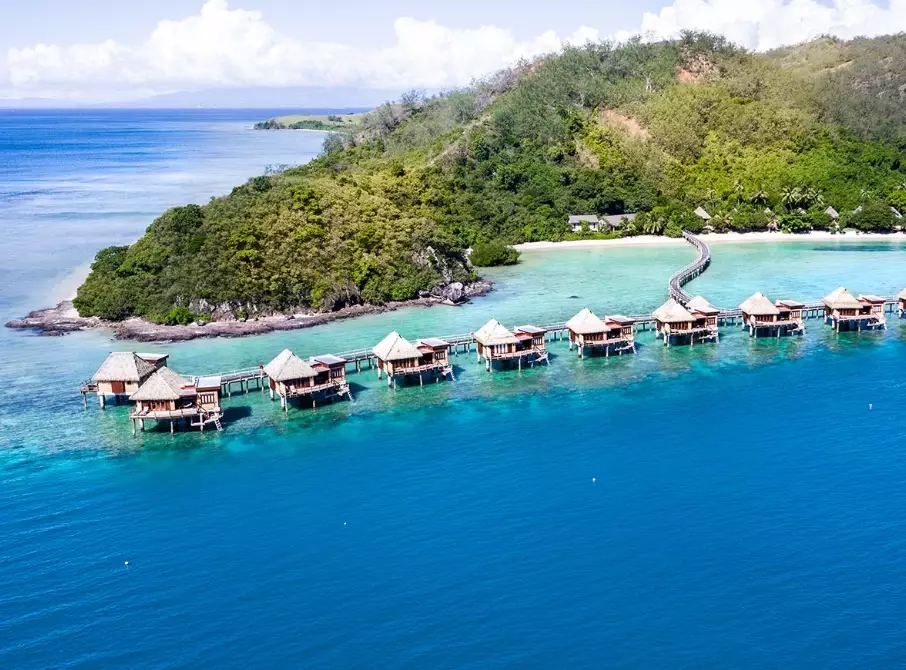
What You'll Discover in This Guide
- The Unmatched Economic Pillar: Jobs, Cash, and Stability
- The Social Ripple Effect: Beyond the Resort Gates
- Tourism as an Environmental Guardian (and Sometimes a Threat)
- A Cultural Bridge: Keeping Traditions Alive
- The Future: Challenges and the Path to True Sustainability
- Your Burning Questions on Fiji's Tourism Reliance
The Unmatched Economic Pillar: Jobs, Cash, and Stability
Talk to any economist in Suva, and they'll give you the headline numbers. Pre-pandemic, tourism directly contributed around 40% to Fiji's GDP. After the borders slammed shut in 2020, the economy contracted by over 15% in a single year. That's not a coincidence; it's cause and effect. The sector employs, directly and indirectly, a huge portion of the workforce. We're talking about over 150,000 people. That's one in every three jobs.
But the raw numbers hide the texture. This isn't just about bartenders and housekeepers at big international chains.
I remember a conversation with a farmer in Sigatoka. He used to grow dalo (taro) for local consumption. Then a few resorts approached him with a consistent, higher-paying order for their restaurants. Now, he's part of a co-op supplying multiple hotels. His income tripled. His kids are in a better school. That's the tourism economy in action – it uplifts entire supply chains.
The foreign exchange earnings are the other critical piece. Fiji imports a lot – fuel, machinery, medicine. The dollars and euros spent by tourists are what pay for these essential imports. Without a healthy tourism inflow, the Fijian dollar weakens, and the cost of living spikes for everyone. The Reserve Bank of Fiji watches tourist arrival numbers as closely as any other economic indicator.
| Economic Indicator | Pre-Pandemic (2019) Level | Impact During Border Closure (2021) | Why It Matters |
|---|---|---|---|
| Direct GDP Contribution | ~40% | Fell to single digits | The single largest sector, driving national economic health. |
| Employment | ~150,000 jobs (Direct & Indirect) | Mass layoffs, reverse migration to villages | Prevents urban poverty and supports rural livelihoods. |
| Government Revenue | Significant portion from taxes (VAT, Service Turnover) | Severe budget shortfalls | Funds public services: healthcare, education, infrastructure. |
| Foreign Exchange Earnings | Primary source of forex | Reserves under pressure, currency risk | Stabilizes the Fijian dollar, funds critical imports. |
The Social Ripple Effect: Beyond the Resort Gates
The money flows outward. Tax revenue from tourism funds schools, clinics, and roads that benefit all Fijians, not just those in the industry. The airport upgrades, better highways to Coral Coast, and improved water systems on some outer islands? Often justified and funded by the needs of the tourism sector.
But there's a nuanced social contract. In many areas, especially the Mamanuca and Yasawa islands, resorts lease land directly from indigenous mataqali (landowning clans). These lease payments provide a vital, regular income stream for communities, funding village projects, scholarships, and elders' welfare. It creates a direct stake.
The Flip Side: Dependence and Displacement
It's not all positive. This deep dependence creates vulnerability, as COVID brutally showed. A global shock can wipe out livelihoods overnight. There's also a subtle cultural shift. Young people might aspire to be a tour guide rather than a teacher or a traditional fisherman, which can erode other important societal roles. In some high-demand areas, I've seen the cost of basic goods inflate, making life harder for locals not in the tourism bubble.
Tourism as an Environmental Guardian (and Sometimes a Threat)
Here's the paradox. Fiji's product is its pristine environment: crystal reefs, lush rainforests, clean rivers. Destroy that, and you kill the golden goose. This has made the tourism industry one of the loudest voices for conservation, often more effective than under-resourced government agencies.
Many resorts run their own coral planting programs, mangrove restoration projects, and turtle nesting sanctuaries. They have to. A bleached reef means no snorkeling guests. Operators like Tourism Fiji actively promote sustainable practices. The Fiji Ministry of Commerce, Trade, Tourism and Transport has guidelines, but enforcement is a challenge.
The pressure is real, though. Overdevelopment on small islands can strain freshwater resources. Increased boat traffic stresses marine life. The waste generated, even with the best intentions, is a logistical nightmare on remote islands. The industry walks a tightrope between showcasing nature and loving it to death.
A Cultural Bridge: Keeping Traditions Alive
This might be the most overlooked importance of tourism in Fiji. Before mass travel, many traditional arts – like meke (dance), yaqona (kava) ceremony protocols, and craft-making – were in danger of fading with the older generation.
Tourism created a market. Now, there's a tangible reason for young Fijians to learn intricate weaving patterns or the stories behind a warrior dance. They can perform at a resort's cultural night, sell their handicrafts at a market, or work as a cultural ambassador. This provides not just income but pride and a reason to sustain the practice. The famous Fijian hospitality, the bula spirit, isn't an act for tourists; it's a genuine cultural value that tourism reinforces and celebrates.
I've visited villages where the weekly tourist visit is a major event. The kids practice their English, the women prepare a feast, and stories are shared. It's a two-way exchange that, when managed respectfully, breaks down stereotypes on both sides.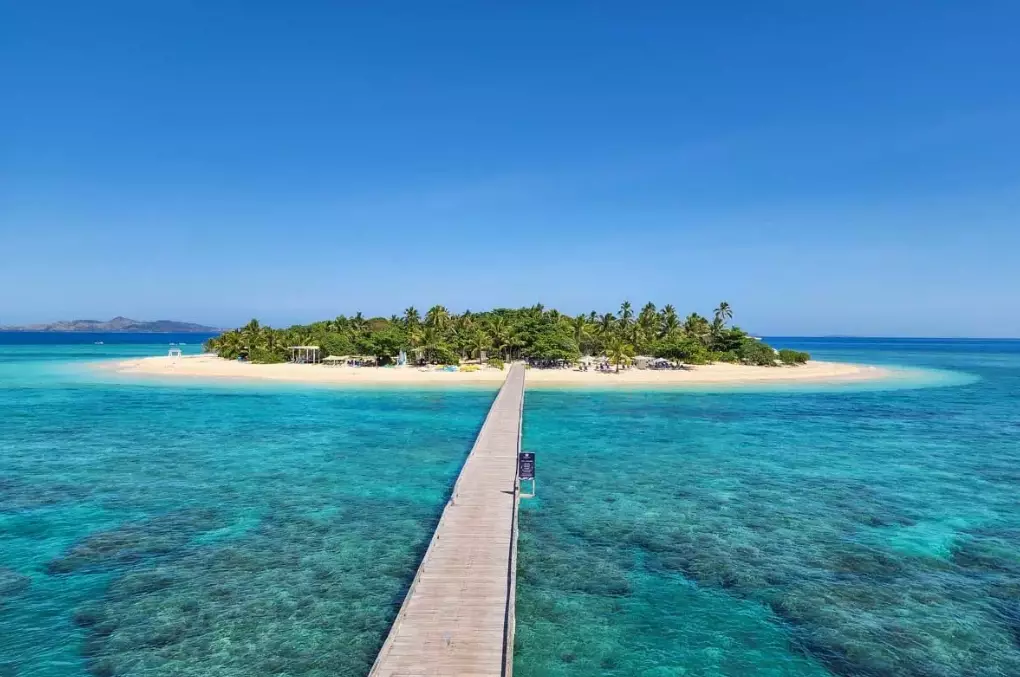
The Future: Challenges and the Path to True Sustainability
Fiji's model is successful but risky. Putting so many eggs in one basket is dangerous. The future hinges on moving beyond sheer volume to value and resilience.
Diversification is the buzzword. Encouraging higher-spending, longer-staying tourists who are interested in culture and nature, not just all-inclusive pools. Developing niche markets like eco-tourism, adventure travel, and wellness retreats that have lower environmental footprints.
Building stronger linkages is crucial. Why does a resort in Nadi import lettuce from New Zealand when it could be grown in the Sigatoka Valley? Strengthening local supply chains keeps more money in the Fijian economy. Community-based tourism, where visitors stay in village-run guesthouses, is growing and ensures benefits are spread more evenly.
The ultimate goal is a tourism model that Fijians themselves own and control more of, one that protects their environment as its core asset, and one that celebrates their culture without commodifying it. It's a tough balance, but it's the only sustainable path forward.
Your Burning Questions on Fiji's Tourism Reliance
Does tourism make Fiji too dependent on foreign visitors and global economics?
Absolutely, and that's the central dilemma. The COVID-19 pandemic was a brutal stress test that proved this. When arrivals dropped to near zero, the economic and social pain was immediate and severe. The challenge for Fiji isn't to abandon tourism—that's not feasible—but to build a more resilient economy around it. This means developing stronger agricultural and light manufacturing sectors that can export, and creating tourism products (like high-value ecotourism or medical tourism) that are less susceptible to global recessions. The dependency is a current reality; reducing its risks is the ongoing work.
 As a tourist, how can I ensure my visit actually benefits local Fijian communities?
Move your spending outside the resort walls. This is the single most effective thing you can do. Book a tour with a locally-owned operator, not an international conglomerate. Eat at a family-run restaurant in town. Buy souvenirs directly from artisans at a market, not from the resort gift shop. Choose accommodations that are Fijian-owned or have strong, verified community partnership programs. Ask questions: "Who owns this business?" "Does the village receive a direct benefit from this activity?" Your choices directly influence where the money flows.
Is the push for sustainable tourism in Fiji just marketing, or is there real action?
It's a mix, but the real action is growing out of necessity. For many, it's genuine. Resorts on small islands have no choice but to manage water and waste sustainably—they have no municipal systems to fall back on. The real difference often lies in scale and commitment. Smaller, owner-operated eco-resorts are often deeply integrated into conservation. Larger chains have corporate sustainability mandates, but execution can be inconsistent. Look for specific certifications or ask about concrete projects: their own water desalination, solar power capacity, coral nurseries, or documented partnerships with specific villages. The marketing is everywhere; the tangible, measurable action is what separates the leaders.
What's the biggest misconception foreigners have about tourism's role in Fiji?
The biggest misconception is that tourism is a separate, walled-off sector that only benefits foreign hotel investors and a few lucky Fijian employees. In reality, it's a vast, leaky ecosystem. The taxi driver, the farmer selling produce to the hotel kitchen, the laundry service, the school funded by hotel taxes, the musician performing at a cultural show—tourism's tentacles reach into almost every facet of Fijian life. Conversely, the flip side misconception is that it's all positive. The industry also brings pressures on infrastructure, can inflate local costs, and creates a boom-bust cycle that communities struggle with. It's profoundly integrated, for better and worse.
Comments
Join the discussion