Yes, US citizens are absolutely allowed to travel to Antarctica. There's no law stopping you from going. But here's the crucial part you won't find on a government website: you cannot just book a flight, pack a bag, and show up. Antarctica has no immigration office, no hotels, and no public infrastructure. Your permission to visit is entirely managed through the tour operator you book with. They handle the complex web of regulations set by the Antarctic Treaty System and its environmental protocol. So, while the short answer is "yes," the real question becomes: how do you actually do it, what does it cost, and what are the rules you need to follow? Let's break it all down.
What You'll Find in This Guide
How Can US Citizens Travel to Antarctica?
All travel for US citizens to Antarctica happens via specialized expedition cruise ships. These depart almost exclusively from two gateway cities: Ushuaia, Argentina (the most common, crossing the Drake Passage) or Punta Arenas, Chile (for fly-cruise options that skip the Drake). Some luxury voyages may start from New Zealand or Australia, but these are longer and far less common for Americans.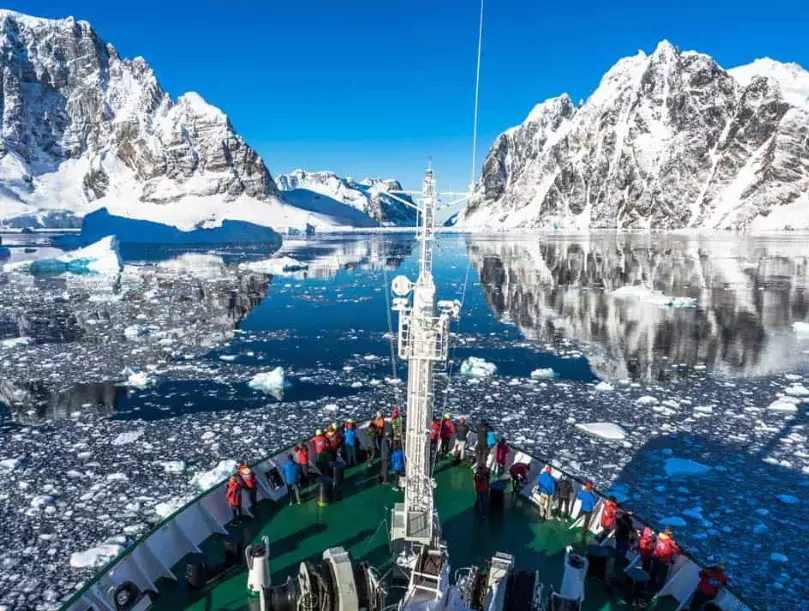
The single most important organization governing your trip is the International Association of Antarctica Tour Operators (IAATO). Every reputable operator is a member. IAATO sets strict guidelines on visitor numbers, site rotations, biosecurity (cleaning your boots and gear), and wildlife interaction to protect the fragile ecosystem. When you book with an IAATO member, you're booking with a company that has pledged to follow these rigorous standards. You can verify a company's membership on the IAATO website.
Do You Need a Passport or Visa?
You need a valid passport, of course. Since you'll transit through Argentina or Chile, you must meet their entry requirements. For most US passport holders, this means no visa is required for tourist stays under 90 days in either country, but you may need to pay a reciprocity fee (for Argentina; check the latest with the U.S. Department of State). Your tour operator will provide detailed instructions, but the onus is on you to ensure your passport is valid for at least six months beyond your trip dates.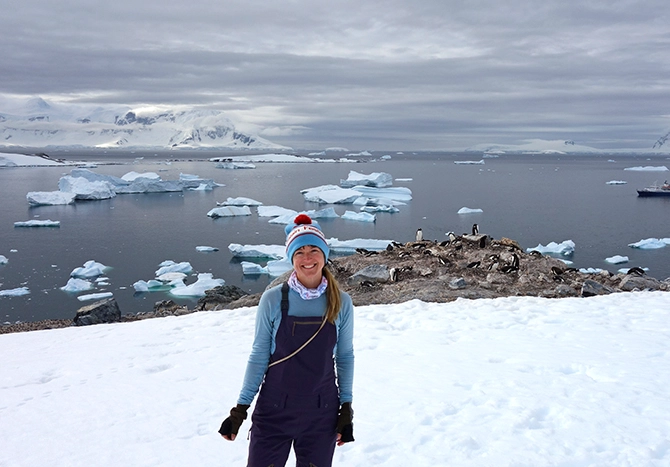
Choosing the Right Antarctica Tour Operator
This is where most people get overwhelmed. Not all Antarctica trips are created equal. The biggest mistake I see is travelers choosing based solely on price or a fancy ship photo, without understanding the expedition style.
You have two primary models:
- Expedition-Centric Ships (100-200 passengers): These are your workhorses. They carry zodiacs for landings and have teams of naturalists, historians, and scientists. The focus is on education, multiple daily landings, and flexibility. The passenger limit of 100 is key—only 100 people can be on land at any one site at a time. Ships carrying 101-200 passengers must rotate landings, which can mean slightly less time ashore. This is the classic, immersive experience.
- Larger Cruise Ships (500+ passengers): These are "cruise-by" options. Due to IAATO rules, they cannot make landings with that many people. You'll view Antarctica from the deck or via onboard helicopters on some. It's more comfortable and sometimes cheaper, but you will not set foot on the continent. If your goal is to stand in Antarctica, this is not the right choice.
| Operator Style | Best For | Typical Ship Size | Landings? | Experience Vibe |
|---|---|---|---|---|
| Expedition-Centric | Adventurers, photographers, wildlife enthusiasts, first-timers wanting the full experience | 100-200 guests | Yes, 2+ per day | Active, educational, immersive |
| Luxury Expedition | Travelers wanting comfort without sacrificing landings, fine dining and suites | 100-200 guests | Yes | Comfortable, sophisticated, still active |
| Large Cruise Ship | Those primarily interested in scenic sailing, less physical mobility, lower budget | 500+ guests | No | Scenic, relaxed, limited direct contact |
| Sailing Yacht | True adventurers, small groups, seeking a unique, hands-on sailing experience | 10-20 guests | Yes, highly flexible | Intimate, rugged, authentic |
My personal advice? For a first trip, choose an expedition ship in the 100-200 passenger range. Companies like Quark Expeditions, Hurtigruten Expeditions, and Oceanwide Expeditions have strong reputations. Don't just look at the brochure; call them. Ask how many guides they have (a 10:1 guest-to-guide ratio is excellent), what their typical landing schedule looks like, and what happens in bad weather. A good operator will be transparent.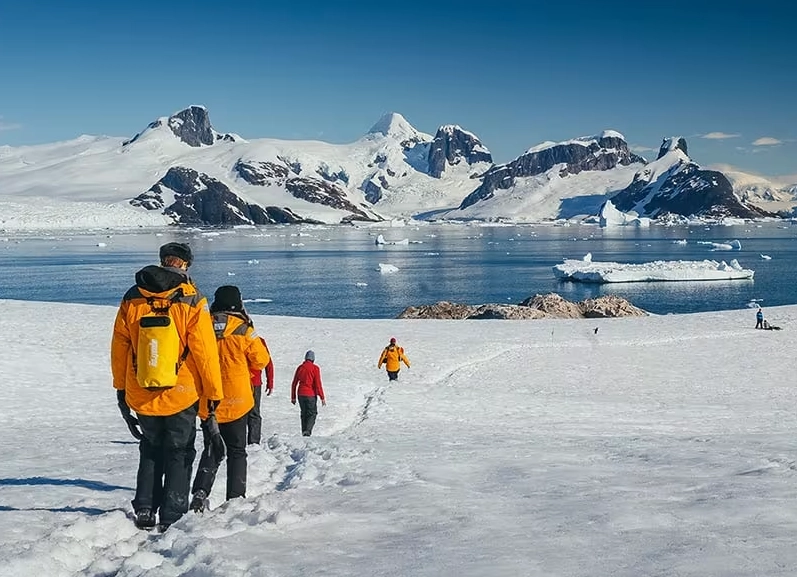
A Typical Antarctica Expedition Itinerary from the USA
Let's walk through a real example, a classic 10-day "Antarctic Peninsula" trip departing from Ushuaia. This is what over 90% of first-time visitors do.
Days 1-2: Travel to Ushuaia, Argentina. You'll fly from the US (usually via Buenos Aires or Santiago) to the southernmost city in the world. Most tours include one hotel night here. Use this time to do a final gear check and explore Tierra del Fuego National Park.
Day 3: Embarkation. You board your ship in the afternoon, settle into your cabin, attend mandatory safety briefings, and meet your expedition team. The ship sails down the Beagle Channel in the evening.
Days 4-5: Crossing the Drake Passage. This is the infamous two-day open ocean crossing. It can be rough ("the Drake Shake") or calm ("the Drake Lake"). This isn't downtime—the expedition team holds lectures on penguin biology, polar history, and photography. You'll start seeing albatrosses and petrels.
Days 6-8: Exploring the Antarctic Peninsula. This is the core. Your days are fluid, dictated by weather and ice. A perfect day might look like: Morning zodiac cruise amongst icebergs looking for seals. Afternoon landing at a penguin rookery (Gentoo, Chinstrap, or Adélie), where you spend 2-3 hours observing from a respectful distance. Another day might include a landing at a historic site like Port Lockroy (a British base turned museum/post office) or a polar plunge for the brave.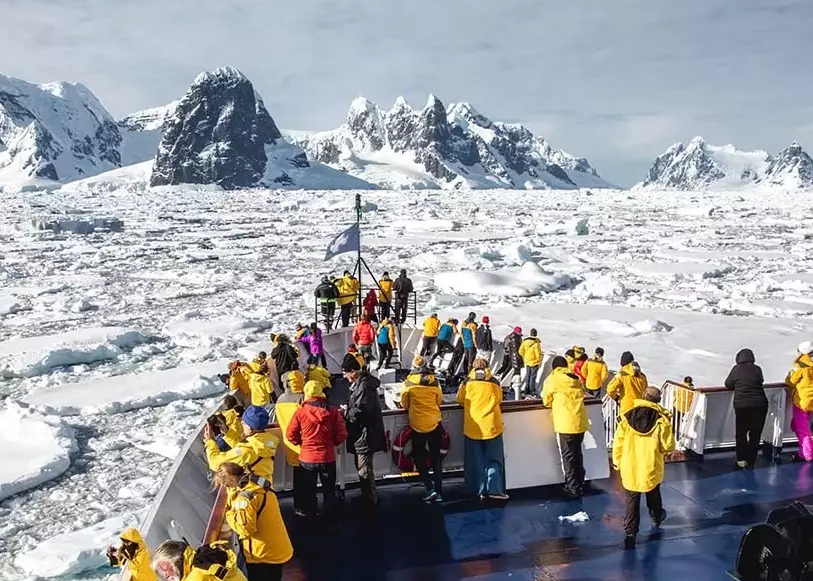
Days 9-10: Recrossing the Drake & Disembarkation. More lectures, photo editing, and sharing stories as you head north. You arrive back in Ushuaia early on the final morning and disembark, usually flying out that day.
Understanding the Costs and Budget
Let's talk numbers, because this is a major investment. A standard 10-12 day Antarctic Peninsula expedition starts around $7,000 - $12,000 USD per person for a twin cabin. Last-minute deals can drop to $5,000, but you sacrifice cabin choice and flight flexibility. Luxury suites can exceed $25,000.
Breakdown of what's usually included and what's not:
- Typically INCLUDED: All meals and accommodation on the ship, guided shore excursions and zodiac cruises, expedition jacket (a great souvenir), lectures, and port taxes.
- Typically NOT INCLUDED: International airfare to South America ($800-$1,500), hotels/meals before/after the cruise, alcoholic beverages (outside of dinner wine on some), gratuities for the crew ($15-$20/day is standard), travel insurance (mandatory and must include medical evacuation), and optional activities like kayaking ($800-$1,000 extra).
Budget at least an additional $2,000-$3,000 for flights, hotels, insurance, and extras. So, a realistic total for a couple is often in the $20,000 - $30,000 range. It's steep, but most travelers say it's worth every penny.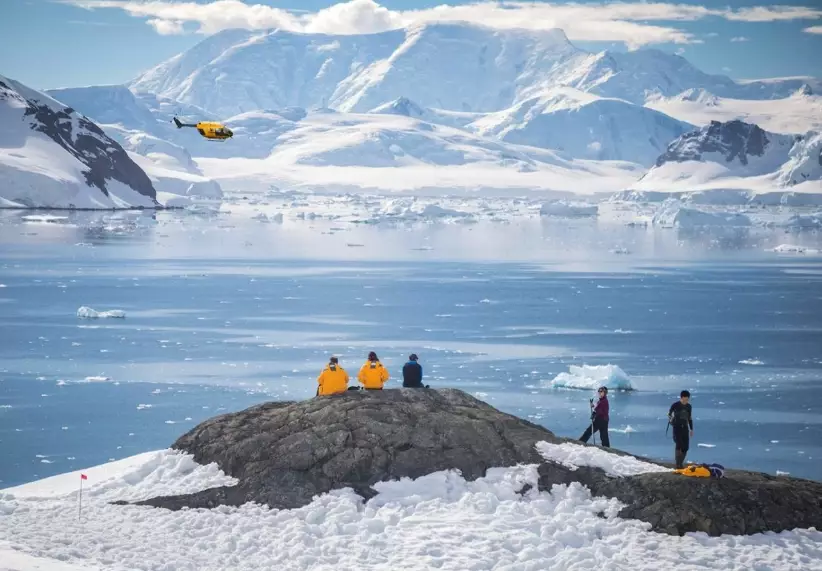
Practical Preparation and Packing
Packing wrong can ruin your trip. The weather is highly variable—you could have a sunny, calm day at 35°F (2°C) or a windy, snowy one feeling well below freezing. The secret is layering.
The Non-Negotiable Packing List:
- Base Layer: Merino wool or synthetic thermal underwear (top and bottom). Avoid cotton—it gets wet and stays wet.
- Mid Layer: A fleece or insulated jacket.
- Outer Layer: A waterproof and windproof jacket and pants. Your operator-provided parka is great, but you need your own waterproof pants for zodiac landings.
- Footwear: Knee-high waterproof boots for landings (often provided for rent, but check). Comfortable, sturdy shoes for the ship.
- Accessories: Two pairs of gloves (thin liner + waterproof outer), warm hat, neck gaiter or buff, sunglasses with UV protection (the glare is intense), and high-SPF sunscreen.
- Gear: High-quality binoculars, extra camera batteries and memory cards (they drain fast in the cold), a waterproof dry bag for your camera on zodiacs, and seasickness medication (start it before entering the Drake).
One pro tip: Break in your waterproof boots before you go. Blisters on a penguin beach are no fun.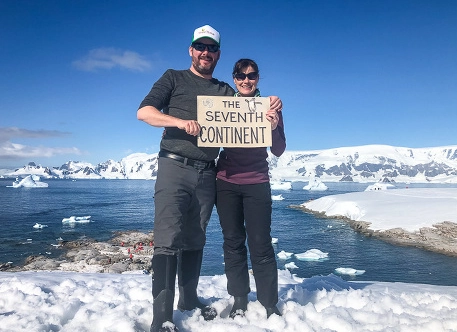
Common Questions Answered
Do I need a visa for Antarctica as a US citizen?
No country issues visas for Antarctica itself. Your legal access is managed by your IAATO-member tour operator through the permits they secure. Your visa concerns are for the departure country (Argentina or Chile), not Antarctica.
What is the cheapest way for a US citizen to go to Antarctica?
Booking a last-minute deal in Ushuaia is the absolute cheapest method, but it's a massive gamble with limited availability and no cabin choice. A more reliable budget approach is to book well in advance on a smaller expedition ship in a quadruple cabin (sharing with 3 others) during the shoulder season (late November or early March). Avoid fly-cruise options, as they add significant cost.
When is the best time for US citizens to travel to Antarctica?
The season runs from November to March. November-December offers pristine snow, courting penguins, and longer days. January-February is peak summer with warmer temps (relatively!), penguin chicks, and the best whale watching. March has fewer ships, great whale activity, and dramatic ice formations. There's no "bad" time, just different highlights.
Is it safe for Americans to travel to Antarctica?
Safety is the top priority for expedition operators. The main risks are seasickness during the Drake crossing and slips on wet decks or icy terrain. The ships are equipped with advanced navigation and medical facilities, and the guides are trained for polar environments. You must have travel insurance with emergency medical evacuation coverage—standard US health insurance will not work here.
Can I just work on a research base as a way to go?
It's extremely difficult. The US Antarctic Program (USAP) hires support staff (cooks, IT, etc.) for McMurdo and Palmer stations, but these are highly competitive, year-long contracts requiring rigorous physical and psychological screening. It's not a tourist pathway. Most hiring is done through contracted companies like Leidos or GHG Corporation.
The bottom line is clear: US citizens can and do travel to Antarctica every year. It requires planning, a significant budget, and booking with a reputable operator. But for those who make the journey, it's consistently described not just as a trip, but as a profound experience that reshapes your perspective on the planet's wild places. Start researching operators at least a year in advance, focus on the expedition experience over sheer luxury, and pack for all conditions. Your adventure to the seventh continent awaits.





Comments
Join the discussion