Dreaming of the White Continent? For US citizens, an Antarctica trip is the ultimate adventure, but it feels different from planning a European vacation. You can't just book a flight and go. It's a major expedition that requires specific planning from the American perspective—dealing with long-haul flights to South America, understanding the cruise logistics from there, and packing for conditions you've likely never experienced. I've been down there twice, and I've seen people make the same costly mistakes. This guide cuts through the noise and gives you the straight talk on how to make your Antarctic dream a reality, starting from the USA.
Your Antarctica Trip at a Glance
Step 1: Visas & Paperwork (The Boring But Critical Stuff)
Here's the first major point of confusion: Antarctica itself does not require a visa. No country owns it. Your visa requirements come from the gateway countries you'll transit through—almost always Chile or Argentina.
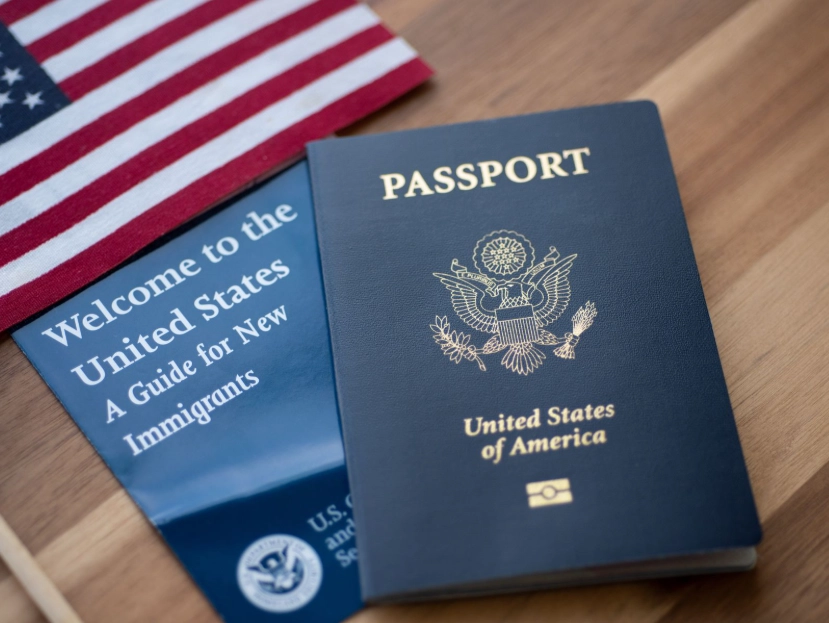
US Passport Note
Your passport must be valid for at least six months beyond your planned return date. Argentine and Chilean authorities are strict about this. I've seen travelers turned away at check-in in Miami because their passport expiry was too close. Don't let that be you.
Most Antarctica cruises depart from Ushuaia, Argentina (the southernmost city in the world) or, less commonly, Punta Arenas, Chile.
- For Argentina: US citizens need a visa, but it's a straightforward online process called an Electronic Travel Authorization (AVE) if you have a valid US passport. Apply on the Argentine immigration website well in advance. Fee is around $200.
- For Chile: US citizens do not need a visa for tourist stays up to 90 days. You just get a tourist card upon entry. This is a key reason some travelers prefer Chilean departures.
You also need specific medical evacuation insurance. Reputable cruise operators, all members of IAATO (International Association of Antarctica Tour Operators), will require proof of coverage that includes evacuation from Antarctica. This isn't your standard travel insurance—you must check the fine print.
Step 2: Mapping Your Route from the US
There are no direct commercial flights from the USA to Antarctica. The journey is always in two legs: a long-haul flight to South America, followed by a cruise or a fly-cruise combination.
The Classic Route: Fly to Argentina & Sail from Ushuaia
This is the most common path. You'll fly from a major US hub (Miami, Dallas, Atlanta, New York) to Buenos Aires (EZE). From there, you take a domestic flight to Ushuaia (USH). Budget a full day for this connection—those domestic flights are notorious for delays. You'll then board your expedition ship for the 2-day crossing of the Drake Passage.
Total travel time from US East Coast to first Antarctic sighting: Roughly 4-5 days.
The Fly-Cruise Option: Skip the Drake Passage
Hate the idea of two days of potential rough seas? Some operators offer flights from Punta Arenas, Chile, directly to King George Island on the Antarctic Peninsula. You join your ship there. It's faster and avoids the Drake, but it's significantly more expensive (add $4,000-$6,000 per person) and flights are highly weather-dependent. You could be stuck in Punta Arenas for days.
| Departure Point | Typical US Flight Gateway | Pros | Cons | Best For |
|---|---|---|---|---|
| Ushuaia, Argentina | Miami → Buenos Aires | Most affordable, most cruise options, iconic Drake Passage experience | Longest total travel time, potential for seasickness | Budget-conscious travelers, traditionalists |
| Punta Arenas, Chile (Fly-Cruise) | Miami → Santiago | Avoids Drake Passage, less time at sea | Much more expensive, weather delays common | Those with limited time or severe seasickness concerns |
Step 3: The Real Cost of Antarctica from the USA
Let's talk numbers. An Antarctica trip is a major investment. When budgeting, most Americans forget to factor in the substantial costs before they even step on the ship.
The All-In Budget Range: For a standard 10-12 day cruise from Ushuaia, expect to spend between $10,000 and $20,000 per person. Luxury or longer itineraries (like those crossing the Antarctic Circle) can push $30,000+.
Here’s where the money goes:
- The Cruise Fare ($7,000 - $18,000): This covers your cabin, all meals on board, guided Zodiac landings, lectures, and usually loaner boots. The price varies massively by cabin category, ship size, and time of season (late November to early February is peak).
- Flights from USA to Gateway City ($1,200 - $2,500): Round-trip economy to Buenos Aires or Santiago. Book these early.
- Internal South America Flights & Hotels ($500 - $1,500): You'll need at least one night pre- and post-cruise in Ushuaia or Punta Arenas. Flights within South America can be pricey.
- Gear & Clothing ($500 - $1,500): Even with loaner jackets, you need a serious base layer system, waterproof pants, gloves, etc. Don't cheap out here.
- Incidentals & Tips ($300 - $800): Drinks on board (often not included), Wi-Fi packages (expensive and slow), and tips for the crew.
A Cost-Saving Tip Most Miss
Book your South American internal flights with the local airline's regional website (e.g., Aerolíneas Argentina's site for Argentina, LATAM's Chilean site for Chile). Often, the prices are 20-30% lower than on US travel sites, even for the same flight. Use a credit card with no foreign transaction fees.
Step 4: The Non-Negotiable Packing List
Packing wrong can ruin your trip. The weather is wildly unpredictable. You need a layering system. Cotton is your enemy—it holds moisture and makes you cold.
- Base Layer (Top & Bottom): Merino wool or synthetic thermal underwear. Bring two sets.
- Mid Layer: A fleece jacket or insulated vest. This is for warmth on the ship and under your waterproof shell.
- Outer Shell (The Most Important): A waterproof and windproof jacket (your operator may provide one) and waterproof pants with full side zips. The side zips are crucial for pulling them on over boots on a rocking Zodiac.
- Footwear: Knee-high waterproof boots (Muck Boots type) are almost always provided. Bring warm, moisture-wicking socks (also merino wool). For on the ship, comfy shoes.
- Hands & Head: Thin liner gloves under waterproof mittens. A warm beanie, a neck gaiter (buff), and sunglasses (the glare is intense).
- The Forgotten Essentials: A high-quality power bank (outlets in cabins can be limited), a waterproof dry bag for your camera on Zodiac rides, seasickness medication (even if you think you're immune, the Drake can surprise you), and a refillable water bottle.
What You'll Actually See & Do
This isn't a sightseeing bus tour. Every day is an active expedition. Weather dictates the schedule.
Top Landing Sites You Might Visit
Deception Island: A volcanic caldera you sail into. You can take a “polar plunge” here in water that's slightly warmer (but still freezing) due to geothermal activity.
Lemaire Channel: Nicknamed "Kodak Gap," it's a stunningly narrow passage with towering cliffs and glaciers. If the ice allows passage, it's a highlight.
Paulet Island or Cuverville Island: Massive colonies of Adélie or Gentoo penguins. The smell and noise are unforgettable. You'll follow strict IAATO guidelines to stay at least 5 meters away.
Port Lockroy: A historic British base, now a museum and post office run by the UK Antarctic Heritage Trust. You can send postcards from here—they take months to arrive.
Activities Beyond Landings
Zodiac Cruising: Sometimes, instead of landing, you'll cruise in inflatable Zodiacs past icebergs, seals on ice floes, and maybe even whales. Often more scenic than the landings themselves.
Kayaking (Add-on): A phenomenal way to experience the silence. Book this option months in advance—it sells out fast.
Lectures: On board, experts give talks on polar history, wildlife, and glaciology. These turn the scenery from "pretty" to meaningful.


Comments
Join the discussion