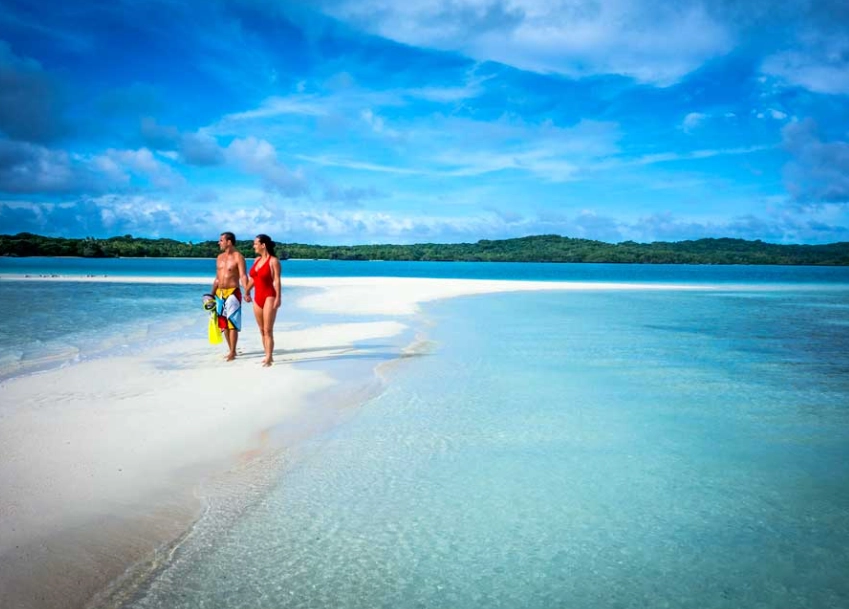
You see the postcard-perfect images of Fiji—turquoise water, luxury resorts, smiling locals. It screams wealth. Then you read a headline about a developing Pacific nation reliant on foreign aid. That suggests poverty. So, which is it? Is Fiji wealthy or poor? The answer isn't a simple yes or no. It's a story of two parallel realities, and understanding it changes how you see the country, whether you're planning a trip or just curious about global economics.
What You'll Discover About Fiji's Wealth
The Numbers Game: GDP and Official Rankings
Let's start with the cold, hard stats. According to the World Bank, Fiji is classified as an upper-middle-income country. Its GDP per capita (a rough measure of average wealth) sits around $5,000-$6,000 USD. That places it above many of its Pacific neighbors like Vanuatu or Solomon Islands, but far below developed nations like Australia or New Zealand, where the figure is over $60,000.
So, by global income brackets, Fiji isn't among the poorest. But "upper-middle-income" feels misleading when you dig deeper. The economy is small and vulnerable. It heavily depends on just a few things: tourism, sugar exports, and remittances (money sent home by Fijians working abroad). A cyclone, a global pandemic that halts travel, or a drop in sugar prices can send shockwaves through the entire system. I remember talking to a shop owner in Nadi in 2022 who said the two years of COVID border closures felt like "an economic heart attack." The official numbers don't capture that fragility.
Tourism Wealth vs. Local Reality
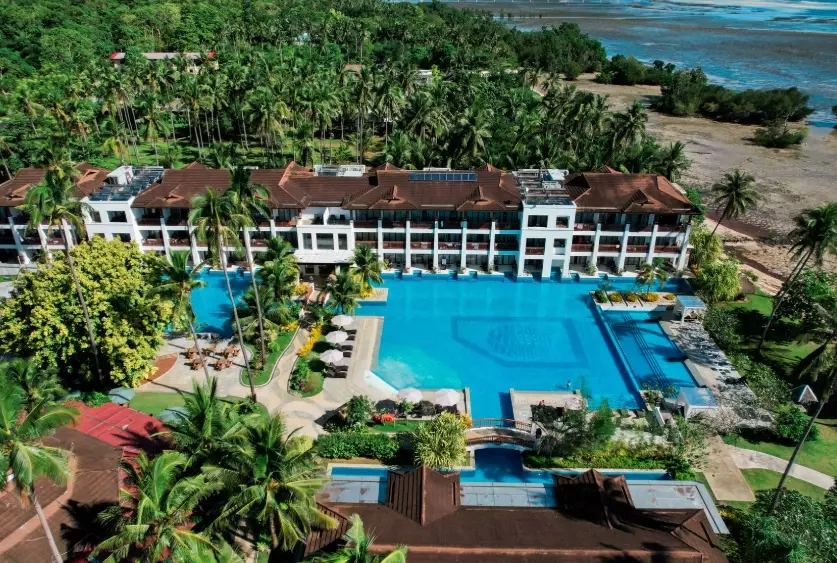
This is where the two realities split. The tourism sector generates massive revenue. Resorts on the Mamanuca and Yasawa Islands charge over $1,000 a night. This creates pockets of immense wealth and provides jobs. But here's the nuance most articles miss: the wealth doesn't trickle down evenly. A significant portion of the profits from these high-end, often foreign-owned resorts leaves the country.
The local reality in many villages is different. Subsistence farming is still a way of life for a large part of the population. They might not have much cash income, but they have food security from their gardens and the sea. Economists call this the "informal economy," and it's huge in Fiji. Measuring wealth just by cash misses this entirely. A family in a village might have a modest home, but they're rich in community, food, and traditional knowledge—assets that don't show up on a balance sheet.
The Expert Viewpoint: Many development reports, like those from the United Nations Development Programme (UNDP), point out that Fiji's main issue isn't just low income, but high inequality. The gap between the urban elite (and expat communities) and those in rural and remote islands is stark. You can have a five-star resort on one side of an island and a village with limited access to consistent piped water on the other.
The Real Cost of Living in Fiji
For visitors and expats, this is the most practical question. Is Fiji expensive? The answer, frustratingly, is both yes and no. Because Fiji imports a huge amount of what it consumes, anything that's not locally grown or made is pricey.
| Item/Service | Approximate Cost in Fiji (FJD/USD) | Context & Note |
|---|---|---|
| 1L Milk (imported) | FJD $4.50 (≈ $2.00 USD) | Much higher than in Australia/US. |
| Loaf of Bread | FJD $3.00 - $5.00 (≈ $1.30-$2.20 USD) | Basic staple, cost adds up. |
| Local Market Vegetables (bundle) | FJD $2.00 - $5.00 (≈ $0.90-$2.20 USD) | Very affordable if bought locally. |
| Mid-range Restaurant Meal | FJD $25 - $40 (≈ $11-$18 USD) | Similar to Western prices in tourist areas. |
| Local "Lovo" Feast Experience | FJD $40 - $70 (≈ $18-$31 USD) | Great value for a cultural event and large meal. |
| 1.5L Bottled Water | FJD $2.50 (≈ $1.10 USD) | Tap water is generally safe in cities, but many buy bottled. |
| Public Bus Ride (Suva to Nadi) | FJD $15 - $20 (≈ $7-$9 USD) | Very affordable for a long distance. |
| Resort Dinner (3-course) | FJD $80 - $150+ (≈ $35-$67+ USD) | Luxury pricing, isolated location. |
See the pattern? Live like a tourist in a resort, and you'll pay developed-world prices. Live like a local—shop at markets, eat at small "canteens," use buses—and your cost of living plummets. For the average Fijian family, navigating this imported-goods inflation is a daily financial challenge, even if their housing costs (especially in villages) are low.
Beyond Money: Fiji's Development Challenges
Wealth isn't just cash. It's health, education, and infrastructure. Here, Fiji's report card is mixed. It has a decent network of hospitals and schools compared to some Pacific islands. Literacy rates are high. But:
- Infrastructure is inconsistent. Roads outside main towns can be rough. Reliable internet and electricity on remote islands? Not a given. I've stayed on islands where the generator runs only from 6 PM to 10 PM.
- Climate change is an existential threat. Rising sea levels and intensifying cyclones directly threaten coastal villages and agriculture. Building resilience costs money the country doesn't have in abundance. This isn't a future problem; villages are already relocating.
- "Brain drain" is real. Many of the most skilled Fijians (doctors, nurses, teachers, tradespeople) emigrate for higher wages in Australia, New Zealand, or beyond. This deprives the local economy of vital talent, even as remittances they send back provide crucial income for families.
What This Means for Your Fiji Trip Budget
So, is Fiji wealthy or poor for a traveler? It offers both extremes. You can have a blow-out luxury holiday or a surprisingly affordable backpacker adventure. The key is knowing where the wealth is concentrated and where it isn't.
Luxury Track: The Wealth Bubble
If you stay at places like Likuliku Lagoon Resort or Vomo Island Resort, you're in a wealth enclave. Everything is imported, staffed, and priced for a global luxury market. Your experience will be incredible, but economically, you're somewhat insulated from Fiji.
Budget Track: Engaging with the Local Economy
To see the other side, consider:
- Staying in locally-run guesthouses on islands like Taveuni or Kadavu. You might pay $80/night for a simple bure, but almost all that money stays in the community.
- Eating at "town" restaurants in Lautoka or Suva instead of resort restaurants. The food is often more authentic and half the price.
- Using local ferries and buses. The South Sea Cruises ferry to the Mamanucas is fine, but the local cargo/passenger boats are an adventure and a fraction of the cost.
Your spending choices directly impact which Fiji you support—the insulated wealth bubble or the broader local economy.

Comments
Join the discussion