Fiji's rainy season runs from November to April, with the wettest months usually January and February. But let's cut through the noise: it's not a travel disaster. In fact, if you know what you're doing, this period can offer lush landscapes, fewer tourists, and better deals. I learned this firsthand when I visited last December—yes, it rained, but the waterfalls were insane and we had whole beaches to ourselves.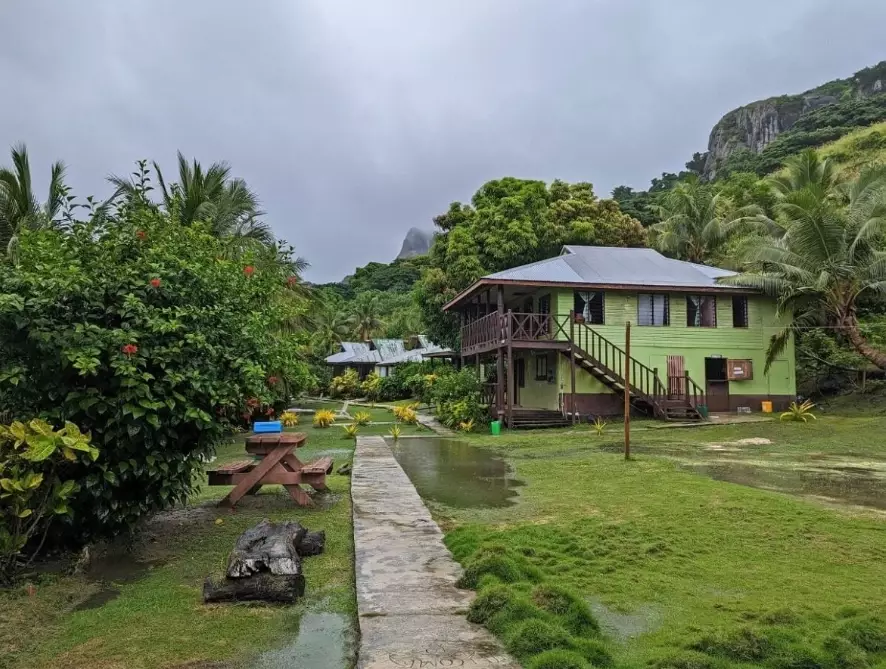
Quick Jump to Key Sections
When Is the Rainy Season in Fiji?
Most sources will tell you it's November to April, and they're right. But here's a nuance many miss: the start and end can shift by a few weeks depending on the island. The Fiji Meteorological Service notes that the western parts like Nadi often see rain earlier, sometimes in late October, while the eastern islands like Suva might drag it into May. The peak is consistently January and February, where you can expect heavy, short bursts of rain rather than all-day drizzles.
I remember checking forecasts obsessively before my trip, only to find that rain usually hit in the afternoons for a couple of hours. Mornings were often clear and perfect for exploring.
A Detailed Weather Breakdown
Rainfall isn't uniform across Fiji. The larger islands like Viti Levu and Vanua Levu get more rain on their windward (southeastern) sides. For instance, Suva averages around 3000mm annually, while Nadi on the drier west coast gets about 1800mm. Temperatures hover between 25°C to 31°C (77°F to 88°F), with high humidity—pack light, breathable clothes.
Pro tip: Don't rely solely on weather apps. Local conditions change fast; I used to check with resort staff for real-time updates. They'd say, "Rain coming in an hour," and we'd adjust plans.
Monthly Variations You Should Know
November and April are shoulder months—less rain, good for transition. December can be festive but wet. January and February are the core wet months, with possible tropical cyclones, though they're rare. March sees rain tapering off. The Fiji government's climate reports highlight that cyclone risk peaks from January to March, but major hits are infrequent.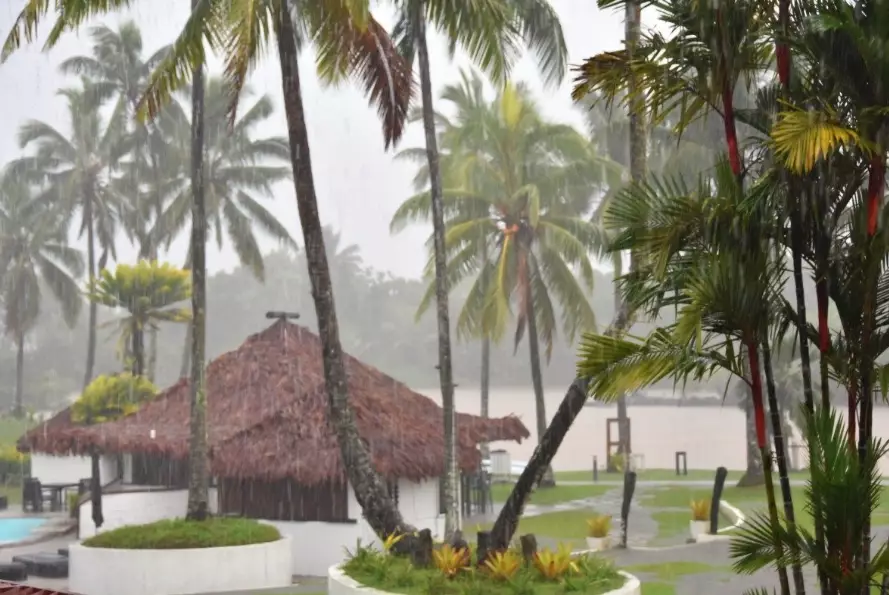
How the Rainy Season Impacts Your Trip
This is where most travelers get nervous. Let's break it down.
Transportation Considerations
Flights and ferries can be delayed due to rain or storms. I once had a ferry from Denarau to the Mamanucas postponed by a day. Book flexible tickets if possible. Domestic flights with Fiji Airways are generally reliable, but allow extra time. Roads in rural areas might flood temporarily—renting a 4WD isn't a bad idea if you're exploring inland.
Accommodation and Costs
Here's the sweet spot: prices drop. Resorts offer discounts up to 30% compared to the dry season (May to October). For example, a beachfront bure at Outrigger Fiji Beach Resort might cost $250 per night in rainy season versus $350 in peak dry months. Check websites like Tourism Fiji for deals. However, some budget places might close for maintenance, so book ahead.
| Aspect | Rainy Season (Nov-Apr) | Dry Season (May-Oct) |
|---|---|---|
| Average Rainfall | High (200-300mm/month in wet areas) | Low (50-100mm/month) |
| Crowds | Fewer tourists, more locals | Peak tourist season, busy |
| Prices | Lower for flights and hotels | Higher, especially July-Sept |
| Activities | Great for waterfalls, cultural tours | Ideal for diving, beach days |
| Risk | Possible cyclones, rain disruptions | Minimal weather issues |
Top Activities During Fiji's Rainy Season
You can't just sit in your room. Embrace the rain with these picks.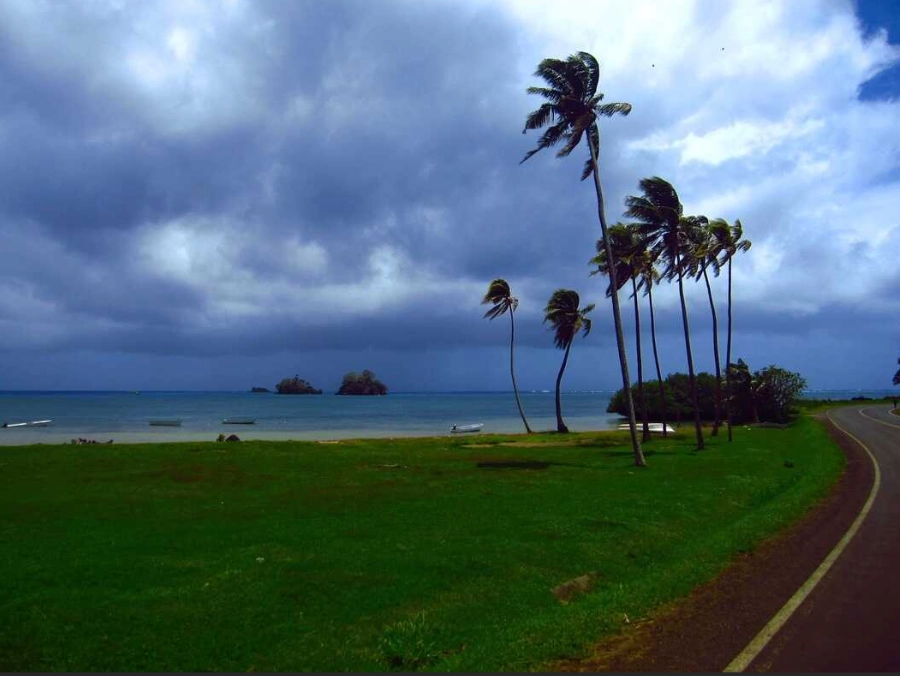
1. Waterfall Chasing in the Highlands
The rain swells rivers and waterfalls. On Viti Levu, visit the Sigatoka Sand Dunes area—entry is about $10 FJD, open 8 am to 5 pm. The waterfalls near Navua are stunning; local guides charge around $50 for a half-day tour. I did this, and the roar of the falls after rain was unforgettable.
2. Cultural Immersion and Indoor Tours
Rainy days are perfect for visiting the Fiji Museum in Suva (address: Cakobau Rd, Suva; open Mon-Thu 9am-4:30pm, Fri till 4pm, Sat 9am-4pm; entry $10 FJD). Or join a kava ceremony at a village—many resorts organize these. It's a chance to connect without the heat.
3. Scuba Diving and Snorkeling
Surprise: underwater visibility can still be good, especially after morning rain clears. Operators like Beqa Adventure Divers in Pacific Harbour run trips year-round; check for conditions. I snorkeled in the Yasawas during a light drizzle and saw vibrant coral—fewer boats meant more fish.
If rain hits, resorts often have spas or cooking classes. At the InterContinental Fiji Golf Resort & Spa, we did a Fijian cooking workshop for $60 when it poured.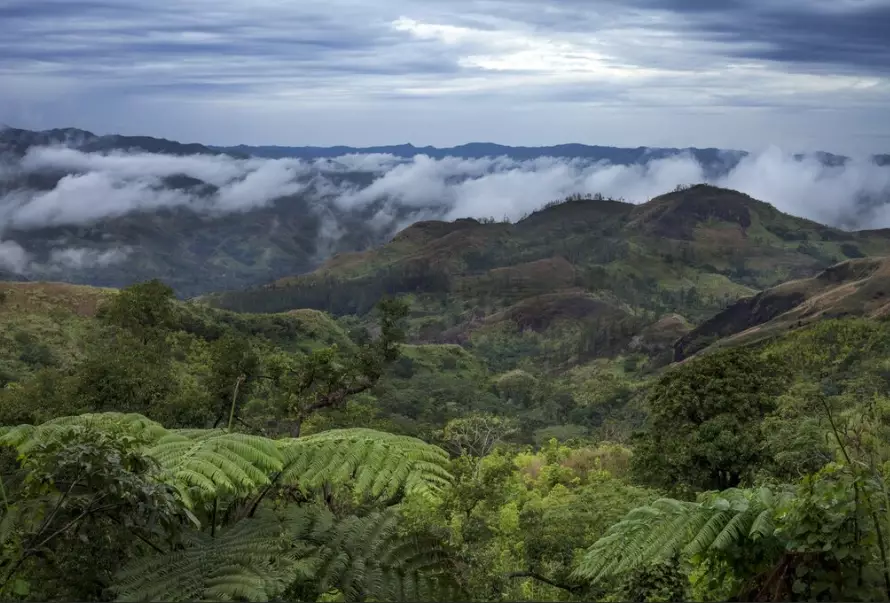
Practical Tips for Smart Travel
Pack smart: waterproof bag, quick-dry clothes, insect repellent (mosquitoes love humidity), and a power bank for potential outages. Book accommodations with backup generators—many upscale places have them.
Transport: Use taxis or pre-book transfers; public buses might be less reliable in heavy rain. For inter-island travel, consider faster catamarans over slow ferries to minimize exposure.
Health: Stay hydrated and watch for slippery paths. I slipped on a trail in Colo-i-Suva Forest Park—wear grippy shoes.
Budget: Allocate 20% extra for unforeseen changes. Travel insurance is non-negotiable; get one covering weather disruptions.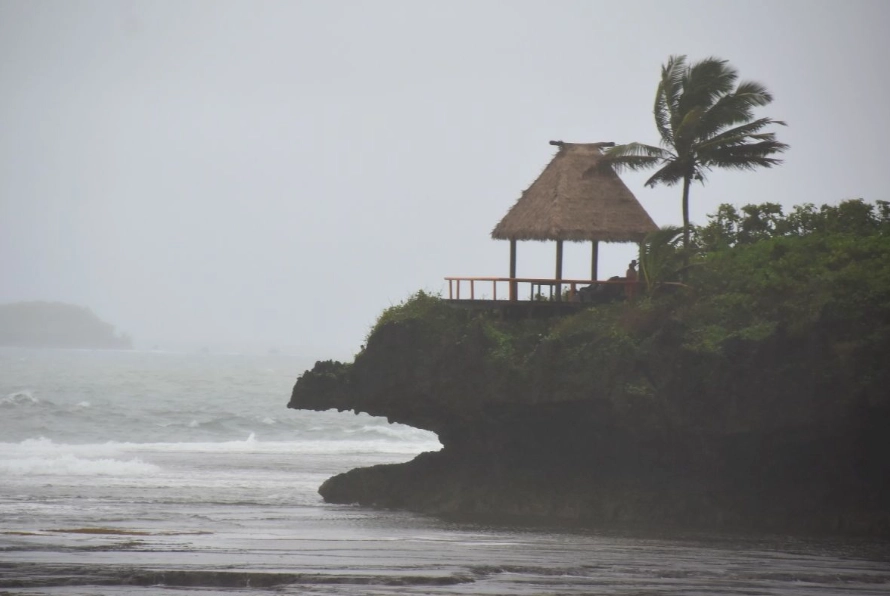
FAQs About Fiji's Rainy Season
 What are the best islands to visit in Fiji during the rainy season for minimal disruption?
Fiji's rainy season isn't a barrier; it's a different flavor of travel. With planning, you can experience the islands' lush heart while saving money and avoiding crowds. Check resources like the official Tourism Fiji site for updates, and don't let a little rain scare you off. My trip last year was proof—sometimes, the best adventures come with a drizzle.


Comments
Join the discussion