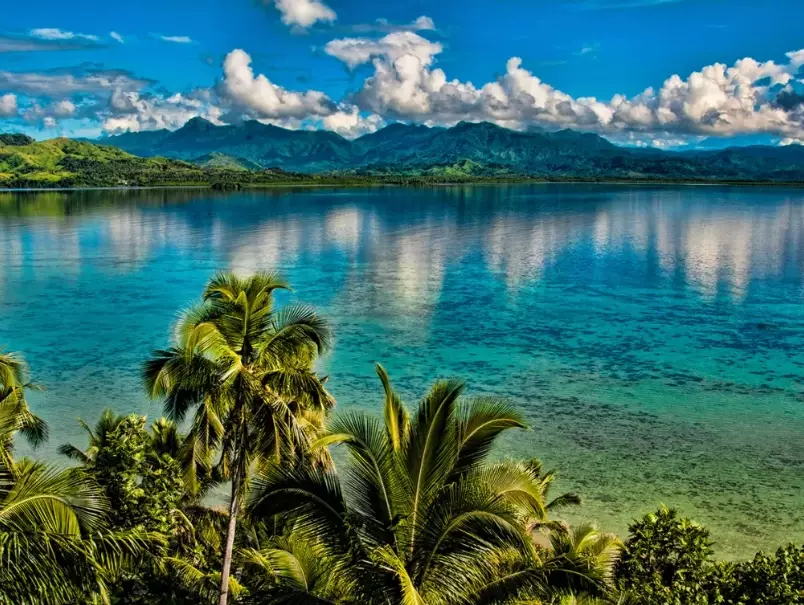
So you've booked your tickets to Fiji. The images of palm-fringed beaches and turquoise water are already dancing in your head. But with over 300 islands, figuring out where to actually go can feel overwhelming. You don't want to waste a single day of your precious vacation. Based on years of island-hopping and watching first-timers make the same itinerary mistakes, I've distilled the absolute essentials. This isn't just a list of pretty places; it's a strategic guide to experiencing the soul of Fiji—its vibrant culture, breathtaking nature, and legendary hospitality—without the stress.
Your Quick Fiji Guide
- Viti Levu: Your Gateway & Cultural Heart
- Denarau Island: The Convenient Launchpad
- The Mamanuca Islands: The Iconic Postcard
- The Yasawa Islands: Adventure & Seclusion
- Beqa Island: For the Adrenaline Seeker
- Taveuni Island: The Garden Isle
- Vanua Levu: The Authentic North
- Suva: A Dose of Urban Melting Pot
- Sigatoka Sand Dunes: A Surprising Landscape
- Navala Village: Step Back in Time
- Your Fiji Travel Questions Answered
Viti Levu: Your Gateway & Cultural Heart
Every first-timer lands here. Nadi International Airport (NAN) is on the west, the capital Suva is on the southeast coast. Most treat it as a transit hub, but that's a mistake if you skip the Coral Coast. This stretch of highway between Nadi and Suva is where you get your first real taste of Fiji.
Don't just drive through. Stop at the Kula Eco Park (open 10am-4pm, adult entry ~FJ$40) to see rare Fijian iguanas and parrots. Further along, the Biausevu Waterfall involves a short, guided village hike (expect a small fee of FJ$15-20 per person) ending in a perfect swimming hole. It's your first lesson in Fijian protocol: you're welcomed onto village land, and in return, you contribute directly to the community.
Denarau Island: The Convenient Launchpad
Denarau isn't a natural island; it's a reclaimed, master-planned resort area connected to Nadi by a short causeway. Purists scoff at it, but for a first-timer, its efficiency is a godsend.
All the major hotel chains are here (Hilton, Sofitel, Sheraton). The marina is where you catch ferries to the Mamanuca and Yasawa islands. The real win? Denarau Port has a clean, organized terminal with clear schedules for South Sea Cruises and Awesome Adventures Fiji. You can buy last-minute supplies, water shoes, or snorkels at the shops. It removes all the guesswork from island transfers.
Spend your first or last night here to adjust. Don't expect the stunning beaches of the outer islands—the sand is darker and the water murkier near the port. But the convenience for organizing tours and catching early ferries is unmatched.
The Mamanuca Islands: The Iconic Postcard
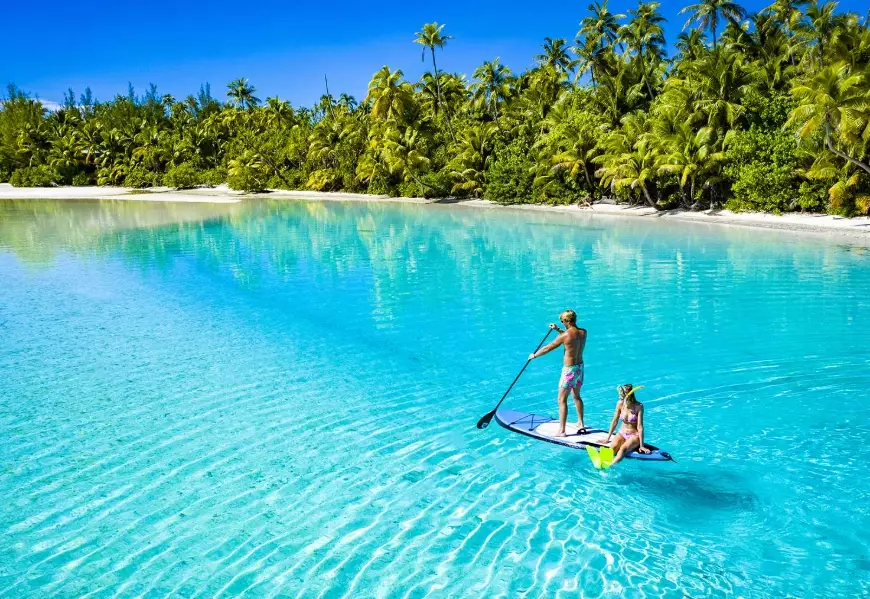
This is the Fiji of your dreams. A chain of about 20 islands visible from Denarau, with water so blue it looks edited. It's easily accessible, which means it can get busy. The key is picking the right island for your vibe.
| Island | Best For | Getting There (from Denarau) | Vibe & Key Attraction |
|---|---|---|---|
| Malolo Island | Families, Luxury | 45-min ferry | Home to resorts like Likuliku and Tropica. Great for a splurge. |
| Mana Island | Beach lovers, Snorkeling | 1-hour ferry | Stunning north beach. Good mix of resorts and budget options. |
| Castaway Island (Qalito) | Classic Resort Stay | 1-hour 15-min ferry | The iconic family-friendly resort. Feels like a true escape. |
| Monuriki Island | Day Trips | Tour boat | That's right—it's the "Tom Hanks" island from Cast Away. Uninhabited, perfect for a snorkel stop. |
My take? If you're short on time, a day trip to the Mamanucas is non-negotiable. But to feel the magic, stay at least one night. The day-trippers leave by 4 PM, and the islands reclaim their serene, star-filled silence.
The Yasawa Islands: Adventure & Seclusion
North of the Mamanucas, the Yasawa chain is more rugged, dramatic, and less developed. This is where you go to disconnect. The beaches are often emptier, the villages more traditional, and the sense of adventure stronger.
Access is via the Yasawa Flyer catamaran (a service by Awesome Adventures Fiji), which runs a route up the chain. You buy a pass for a certain number of days and hop on/off at different islands. It's fantastic for backpackers and those wanting variety.
Must-visit spots in the Yasawas:
- Blue Lagoon (Nanuya Lailai Island): The name doesn't lie. It's a breathtaking, sheltered bay with luminous water. Several affordable resorts cater to travelers looking for that paradise feel without the five-star price tag.
- Sawa-i-Lau Caves: On Nacula Island. You swim into a majestic limestone cave lit by a single hole in the ceiling. A guide will show you the underwater passage to a hidden inner chamber—it's dark and requires you to dive under a rock wall for a second. Not for the claustrophobic, but utterly unforgettable.
Beqa Island: For the Adrenaline Seeker
Off the southern coast of Viti Levu, Beqa (pronounced "Beng-ga") is famous for one thing: the Beqa Lagoon shark dive. Operators like Beqa Adventure Divers run controlled, safe dives where you kneel behind a coral wall while dozens of bull sharks, tiger sharks, and reef sharks are fed by masters. It's a heart-pounding, world-class experience.
Even if you're not a diver, the island is known for its firewalkers. The Sawau tribe from nearby Beqa village performs the ancient ceremony at many resorts on the main island. Seeing men walk barefoot over white-hot stones is a powerful cultural experience.
Taveuni Island: The Garden Isle
This one's for the nature lovers and requires a short domestic flight from Nadi or Suva. Taveuni is lush, rainy, and bursting with life. It feels like a different country compared to the dry west.
What to do on Taveuni:
Bouma National Heritage Park: This park houses the Tavoro Waterfalls. A series of three falls, each with a hiking trail and a pristine pool to swim in. The first waterfall is an easy 10-minute walk. The park is open during daylight hours, and the entry fee (around FJ$25) supports local conservation and the village.
Waitavala Water Slide: A natural rock waterslide formed by a smooth, sloped river rock. You sit down, and the current whisks you down into a deep pool. It's pure, simple fun. Locals know it best—ask your accommodation for directions, as it's not a formal attraction.
Snorkel at the Rainbow Reef: Located in the Somosomo Strait between Taveuni and Vanua Levu. Famous for the Great White Wall—a sheer drop covered in soft, white coral. Strong currents mean it's best for confident snorkelers or divers with a guide.
Vanua Levu: The Authentic North
Fiji's second-largest island is for those who want to go beyond the tourist trail. The main town, Savusavu, is a charming, sleepy harbor dotted with yachts. The vibe is slow, friendly, and authentic.
The Savusavu Farmers Market (early mornings) is a sensory delight. This is where you'll find Fijians doing their shopping. Nearby, the Hot Springs bubble up right into the town's tidal zone—locals cook food in them.
Vanua Levu is also a hub for world-class diving on the Namena Marine Reserve and the famous Jean-Michel Cousteau Resort, which is arguably one of the best family resorts in the South Pacific, but with a price tag to match.
Suva: A Dose of Urban Melting Pot
Most guides tell you to skip the capital. I disagree. If you have a day on your way to or from the airport on the other side of Viti Levu, spend a few hours in Suva. It's a bustling, gritty, colorful port city with a strong Indo-Fijian influence.
Visit the Fiji Museum (open 9am-4:30pm, Mon-Thu; ~FJ$10) in Thurston Gardens. It holds the rudder from Captain Bligh's Bounty longboat and fascinating exhibits on cannibalism and colonial history. It provides crucial context to the islands you're enjoying. Then, wander the Municipal Market for a cacophony of scents and sounds. For lunch, head to Old Mill Cottage for fantastic curries in a colonial-era house.
Sigatoka Sand Dunes: A Surprising Landscape
On the Coral Coast, about an hour's drive from Nadi, this national park (managed by the National Trust of Fiji) feels utterly alien. Towering sand dunes up to 60 meters high roll right down to the sea. It's a strenuous but rewarding hike (two trail options: 1-hour or 2-hour). You'll see archaeological sites dating back 2,600 years. The wind sculpts the dunes into new shapes daily. Open 8am-5pm, small entry fee applies. Bring water and wear proper shoes—the sand gets scorching hot.
Navala Village: Step Back in Time
Nestled in the highlands of Viti Levu's Ba province, Navala is the last traditional village where every house (bure) is still built using thatch, bamboo, and rope, with no modern materials. Visiting requires a guided tour (arrange through resorts or in Nadi), as you must be welcomed in a sevu-sevu (kava ceremony) by the chief.
It's a long, bumpy drive inland, but it shows you a way of life that has endured for centuries. You'll see women weaving mats, men building bures, and children playing in the river. It's a humbling and authentic cultural immersion. Remember to dress modestly (covered shoulders and knees) and bring a gift of kava root (your guide will arrange this) as a sign of respect.
Your Fiji Travel Questions Answered
I only have 5 days in Fiji. What's the absolute minimum I should see?
Focus on two bases. Spend two nights on Denarau or the Coral Coast to recover from jet lag and do a day trip to the Mamanuca Islands (like a cruise to Monuriki or a resort day pass on Mana Island). Then, take the ferry and spend your remaining three nights on one island in the Mamanucas or the southern Yasawas (like Malolo or Nanuya Lailai). This gives you both convenience and that iconic overwater-bungalow experience without constant packing.
Is it safe to drink tap water in Fiji resorts?
In major resorts on Denarau and the outer islands, the tap water is generally treated and safe to drink. They often have their own desalination or filtration plants. However, in smaller, remote resorts or in villages, stick to bottled water. A good rule of thumb: if the resort serves ice in your drinks from their own kitchen, the water is likely safe. When in doubt, ask the staff or just buy large bottles of water. Stomach bugs can ruin a trip, so it's not worth the risk in questionable places.
What's the one cultural mistake first-timers make in Fijian villages?
Touching people's heads, even a child's, is deeply offensive in Fijian culture. The head is considered sacred. Also, when entering a village, avoid wearing hats or sunglasses (take them off) as they are seen as barriers to respectful interaction. Always wait to be invited into a home or bure, and never just wander around. These rules aren't meant to be burdensome; respecting them opens doors to genuine warmth and connection.
How do I choose between all the different island-hopping passes?
The main players are the Bula Pass (by Awesome Adventures Fiji) for the Yasawa Islands and the South Sea Cruise passes for the Mamanucas. Don't buy a pass just because it's a deal. First, decide which islands you actually want to sleep on. The Yasawa Flyer (for the Bula Pass) follows a set north-south route. If your chosen resorts are on its route, the pass can save money. If you just want to visit one or two specific islands for day trips or direct transfers, buying individual ferry tickets is simpler and often cheaper. The passes are best for flexible backpackers, not for travelers with fixed resort bookings.

Comments
Join the discussion