Let's cut to the chase. Is an all-inclusive package in Fiji worth it? The honest answer is: it depends entirely on your travel style. For some, it's a dream come true—a stress-free bubble of luxury. For others, it's a golden cage that keeps you from the real Fiji. I've stayed at both all-inclusives and booked everything separately across the Mamanuca and Yasawa islands. The difference isn't just about money; it's about the kind of experience you want to have.
Your Quick Guide to Deciding on Fiji All-Inclusive
- What Does 'All-Inclusive' Really Mean in Fiji?
- The Unbeatable Advantages of Going All-Inclusive in Fiji
- The Potential Downsides and Hidden Costs
- Who Should (and Shouldn't) Book an All-Inclusive in Fiji
- How to Choose the Right All-Inclusive Resort in Fiji
- A Real-World Cost Comparison: All-Inclusive vs. Pay-As-You-Go
- Your Fiji All-Inclusive Questions, Answered
What Does 'All-Inclusive' Really Mean in Fiji?
This is the first trap. "All-inclusive" isn't a standard term. In Fiji, it typically covers your room, all meals (breakfast, lunch, dinner), non-alcoholic drinks, and most non-motorized water sports like snorkeling gear, kayaks, and stand-up paddleboards. Some places throw in a daily laundry bag or a complimentary foot massage.
But what's not included? That's where you need to look. Premium alcohol (imported spirits, certain wines), motorized activities (jet skis, parasailing, guided scuba dives), spa treatments, and off-site excursions are almost always extra. A resort on Denarau Island might include kids' club access, while a remote island resort might include basic transfers from a nearby airport. Always, always read the fine print on the resort's official website.
The Unbeatable Advantages of Going All-Inclusive in Fiji
When it works, it works beautifully.
Budget Predictability is King
You pay one price upfront. There's no mental math at every meal, no shock when you see the bill for four rounds of cocktails and a plate of nachos. For families or groups, this peace of mind is priceless. You can truly relax without your wallet twitching.
Ultimate Convenience and Ease
No need to hunt for restaurants or worry about carrying cash. Everything is on your wristband or room key. This is a massive perk on remote islands where the "town" might be a single village store. After a day of diving or sunbathing, just amble to the buffet or main restaurant.
Often Exceptional Value for Foodies & Social Drinkers
If you enjoy multiple courses, trying new dishes, and having a few drinks by the pool, the math can quickly tip in favor of all-inclusive. At a good resort, dinner alone can cost FJD $80-$120 per person. Add lunch, snacks, and drinks, and the daily rate adds up fast.
I remember at the Outrigger Fiji Beach Resort on the Coral Coast, the all-inclusive plan gave us access to multiple dining venues. We'd have a huge breakfast, a light lunch by the pool, afternoon tea, and then a three-course dinner. Trying that pay-as-you-go would have been astronomically expensive.
The Potential Downsides and Hidden Costs
Now, the other side of the coin.
The "Resort Bubble" Effect
This is the biggest compromise. You might never leave. The convenience becomes a disincentive to explore. You'll miss the incredible local Fijian restaurants (lovos, kokoda), the bustling markets in Nadi or Suva, and the authentic interaction at a family-run guesthouse. Your view of Fiji becomes curated, sanitized, and… well, a bit generic.
Variable Food Quality and Repetition
Not all resort food is created equal. Large buffets can sometimes feel mass-produced and bland. After five days, you might be dreaming of a simple, spicy curry from a street vendor. Some all-inclusive plans restrict you to the main buffet, while premium à la carte restaurants cost extra—a frustrating upsell.
You Might Pay for Things You Don't Use
Are you a light eater? Do you barely drink alcohol? Then you're subsidizing the feast next door. If your ideal day is a simple breakfast, an excursion, and a casual dinner elsewhere, the all-inclusive model loses its financial edge.
Who Should (and Shouldn't) Book an All-Inclusive in Fiji
Let's make this personal.
All-Inclusive is PROBABLY WORTH IT for:
- Honeymooners & Couples seeking pure, uninterrupted relaxation and romance.
- Families with Young Kids where constant snacks, drinks, and easy meals are a survival tactic.
- First-Time Visitors who want a gentle, easy introduction to Fiji.
- Short Stays (3-5 nights) where maximizing resort time is the goal.
- Groups of Friends who want to socialize without constantly splitting bills.
Consider PAY-AS-YOU-GO if you are:
- Adventurous Travelers & Backpackers planning to island-hop and explore.
- Foodies determined to eat at local establishments.
- Light Eaters/Non-Drinkers who won't consume enough to justify the premium.
- On a Longer Trip (7+ nights) where variety becomes essential.
- Staying in a location with lots of external options (like near Port Denarau).
How to Choose the Right All-Inclusive Resort in Fiji
If you've decided an all-inclusive is for you, don't just pick the cheapest one. Here’s how to pick wisely.
Step 1: Define Your Non-Negotiables
What's your trip purpose? For families, the kids' club and nanny services are critical. For divers, check if tank rentals or guided dives are included. For romantics, see if à la carte dining is part of the plan.
Step 2: Scrutinize the 'All-Inclusive' Fine Print
Go to the resort's official site. Find their PDF brochure or detailed plan page. Compare these three popular but different options:
| Resort (Area) | Best For | All-Inclusive Highlights | What's Typically Extra | Approx. Nightly Rate (Couple) |
|---|---|---|---|---|
| Plantation Island Resort (Mamanucas) | Families, Value | All meals, snacks, select local beers/wines, kids under 12 stay & eat free, non-motorized sports. | Premium drinks, motorized sports, excursions, spa. | FJD $600 - $800 |
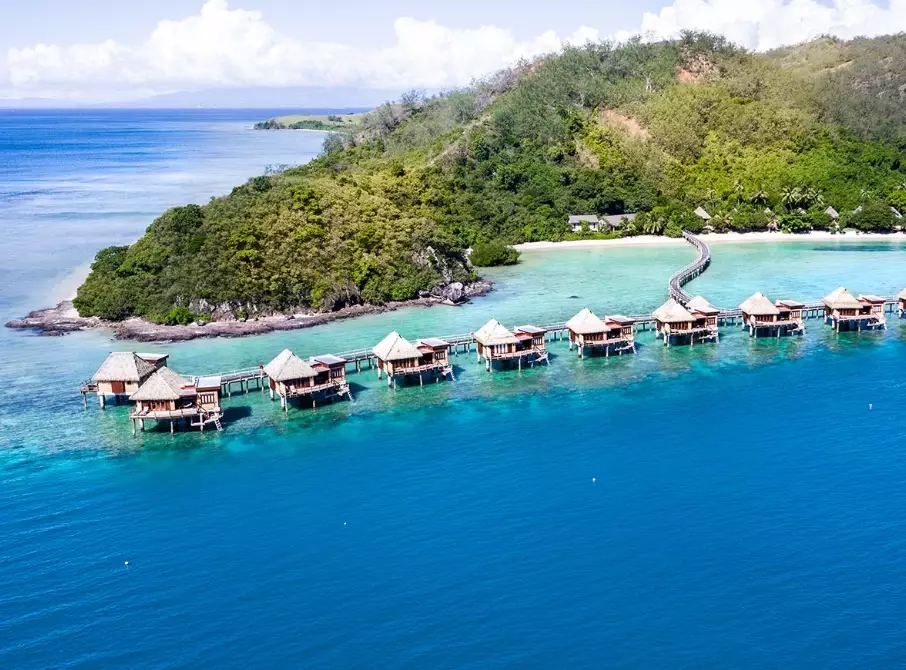
| Likuliku Lagoon Resort (Mamanucas) | Luxury, Honeymoons | Gourmet meals, premium beverages (including top-shelf spirits), minibar, daily spa treatment, excursions. | Very little—this is a true top-tier plan. | FJD $1,800 - $2,500+ |
| Koro Sun Resort & Rainforest Spa (Vanua Levu) | Adventure, Couples | Meals, local drinks, guided hikes, kayaking, snorkeling trips, yoga. Blends resort and activity. | Scuba diving, premium alcohol, some spa treatments. | FJD $700 - $900 |
Step 3: Read Between the Lines of Reviews
Don't just look at the overall score. Search for "all inclusive" within reviews on TripAdvisor. People will complain about the coffee not being included, or praise the amazing cocktail list. This is where you find the real truth.
Step 4: Contact the Resort Directly
A quick email can clarify ambiguities. Ask: "Does your all-inclusive plan cover dining at [specific restaurant name]?" and "Are airport transfers from Nadi International Airport included?" You'd be surprised how often you get a more detailed, honest answer than from a third-party booking site.
A Real-World Cost Comparison: All-Inclusive vs. Pay-As-You-Go
Let's put numbers to it for a couple on a 5-night stay at a mid-range resort.
Scenario A: All-Inclusive Package
Total Package Price: FJD $4,000 (FJD $800/night).
Covers: Room, all food, local drinks, activities listed.
Out-of-pocket extras: Maybe FJD $200 for a special excursion.
Total Estimated Cost: FJD $4,200. Stress level: Low.
Scenario B: Room-Only + Pay As You Go
Room Rate: FJD $350/night = FJD $1,750.
Food & Drink (per day): Breakfast FJD $60, Lunch FJD $80, Dinner FJD $140, Drinks FJD $80 = FJD $360/day. Over 5 days = FJD $1,800.
Activities: Snorkel trip FJD $150, Spa FJD $200, Kayak rental FJD $100 = FJD $450.
Total Estimated Cost: FJD $4,000. Stress level: Higher (constantly paying).
See? The financial difference can be minimal. The all-inclusive offers predictability and likely better value if you indulge. The pay-as-you-go offers freedom but requires discipline and budgeting. The Fiji Tourism website is a good resource for general price guidelines, while travel media like Travel + Leisure often review specific resort plans.
Comments
Join the discussion