Let's cut to the chase. When you ask "what is the tourism sector in Fiji?", you're really asking about the lifeblood of the country. It's not just about pretty beaches and overwater bungalows (though those are certainly part of it). It's the engine that powers nearly 40% of Fiji's GDP and directly or indirectly employs a huge chunk of the population. After a decade of writing about the South Pacific, I've seen it transform from a postcard-perfect destination into a complex, resilient, and deeply cultural industry. Forget the glossy brochures for a minute. The real story of Fiji's tourism is about how a nation built its economy around welcoming the world, the challenges it faces, and the incredible experiences that await beyond the resort gates.
What's Inside This Guide?
The Economic Backbone: More Than Just Dollars
Everyone quotes the statistic: tourism contributes around 38-40% to Fiji's GDP. But what does that actually look like on the ground? It means the taxi driver who picks you up from Nadi Airport, the family that runs a small shop selling handicrafts in Suva, the women weaving baskets in a village on Taveuni, and the chefs preparing kokoda (Fiji's ceviche) in a Denarau resort are all part of this vast ecosystem.
The sector took a brutal hit during the COVID-19 pandemic. Borders closed, and an economy reliant on international visitors ground to a halt. The recovery, however, has been striking. According to Tourism Fiji, visitor numbers have surged back, with Australia, New Zealand, and the United States remaining the top source markets. The government, through agencies like the Fiji Hotel and Tourism Association, actively works to support the industry, but there's a constant tension between development and preserving the natural and cultural resources that attract people in the first place.
Where to Go: Beyond the Main Island
Most flights land at Nadi (NAN) on Viti Levu, the main island. A common mistake first-timers make is spending their whole trip here. Viti Levu has its charms—the bustling capital Suva, the Coral Coast's beaches—but the true magic of Fiji is scattered across its 330 islands.
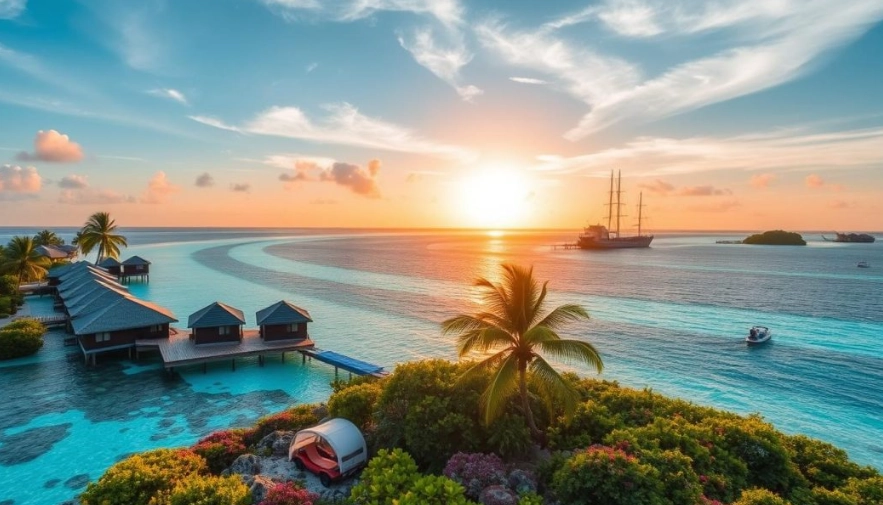
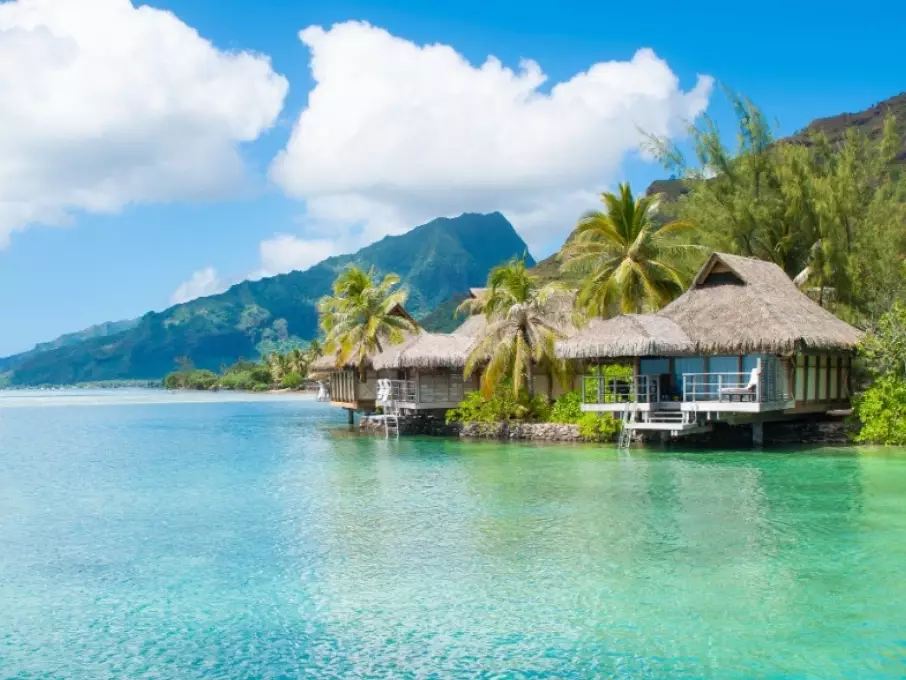
Your choice defines your experience. Want luxury and convenience? The Denarau Island complex near Nadi is a gated community of high-end resorts, golf courses, and a marina. It's comfortable, predictable, and feels a bit detached from "real" Fiji. For something more balanced, look to the Mamanuca and Yasawa island groups, accessible by catamaran or small plane.
| Region | Vibe & Best For | Top Destinations | Access from Nadi |
|---|---|---|---|
| Mamanuca Islands | Postcard-perfect, great for families, first-timers, surfing (Cloudbreak). | Malolo Island, Mana Island, Castaway Island. | Fast catamaran (45-90 mins) or seaplane. |
| Yasawa Islands | Rugged beauty, backpacker-friendly, authentic village visits. | Blue Lagoon area, Naviti Island. | Longer catamaran trip (2-4 hrs) or flight. |
| Vanua Levu & Taveuni | Adventure, diving (Rainbow Reef), rainforests, waterfalls. | Savusavu, Bouma National Heritage Park. | 1-hour domestic flight. |
| Coral Coast (Viti Levu) | Road-trip adventures, cultural sites, mix of resorts. | Sigatoka Sand Dunes, Kula Eco Park. | 1.5-2 hour drive from Nadi. |
My personal recommendation? If you have over a week, split your time. Do a few nights in the Yasawas for that remote island feel and a village tour, then head to Taveuni for world-class diving and hiking. The cost of inter-island travel adds up, but it's what makes the trip.
The Heart of the Visit: Cultural Experiences You Can't Miss
Fijian culture is warm, communal, and deeply respectful. The tourism sector has done a decent job of creating avenues for genuine interaction, but you have to seek them out.
1. The Village Visit (Do It Right)
Many resorts organize trips to nearby villages. This is a must-do, but quality varies. A good visit involves a sevu-sevu (a small gift of kava root presented to the village chief to request permission to enter), a tour led by a community member, and perhaps a meke (traditional song and dance performance). Don't just show up; go through a sanctioned tour. It supports the village directly. A modest dress code (covering shoulders and knees) is strictly required.
2. Kava Ceremony
You will be offered kava (yaqona), a mildly sedative drink made from a ground root. It's central to social and ceremonial life. Clap once, drink the bowl in one go, clap three times and say "Bula!" It tastes like earthy muddy water, but participating is a sign of respect and a quick way to make friends.
3. Food Beyond the Resort Buffet
Resort food is often international with Fijian touches. For the real deal, try a lovo feast (food cooked in an underground oven). Must-try dishes include kokoda (raw fish marinated in lime and coconut cream), palusami (taro leaves baked with coconut cream), and vakalolo (a coconut pudding). In towns, check out the local markets for fresh tropical fruit you've never heard of.
Practical Tips for Your Fiji Trip
Let's get down to brass tacks. How do you actually plan this?
Budgeting: Fiji can be a luxury destination or a backpacker's paradise. A mid-range trip for two, covering a resort in the Mamanucas for 7 nights, meals, and some activities, can easily cost $3,000-$5,000 USD not including flights. To save money, look at backpacker resorts in the Yasawas, eat at local cafes ("canteens") in towns, and travel by public ferry.
Getting Around: On Viti Levu, buses are cheap and a real cultural experience (play loud local music, colorful). Taxis are plentiful but agree on a fare before getting in. For inter-island travel, South Sea Cruises and Awesome Adventures Fiji run reliable ferry services. Pacific Island Air and Northern Air operate small planes to outer islands.
When to Go: The dry season (May to October) offers sunny, less humid weather. It's also peak season, so prices are highest. The wet season (November to April) is hotter, humid, with heavier rainfall and a risk of cyclones, but you'll find fewer crowds and better deals. I've traveled in February and had glorious sunny days interspersed with spectacular afternoon downpours.
The Future of Tourism in Fiji
The conversation in Fiji is increasingly about sustainability and resilience. Climate change is an existential threat—rising sea levels, coral bleaching, more intense storms. The tourism sector is responding. You'll see more resorts banning single-use plastics, supporting marine conservation projects, and investing in solar power.
There's also a push for regenerative tourism—where visitors leave a place better than they found it. This means tours that actively restore mangrove forests, voluntourism that builds real skills, and choosing accommodations that are owned or part-owned by local communities, like those in the Bula Welcome Homestay network.
The other trend is diversification. While sun-and-beach remains king, there's growing interest in adventure tourism (hiking, kayaking), wellness retreats, and cultural immersion trips. The Fiji tourism sector isn't standing still; it's adapting to a world where travelers want more meaningful connections and less environmental impact.
Comments
Join the discussion