You've packed your bags for the trip of a lifetime. Binoculars? Check. Camera? Check. A sense of adventure? Absolutely. Then you pull out that sleek, black shirt or those comfortable black hiking pants. Stop right there. If I had a dollar for every time I've seen a first-time safari-goer make this mistake, I could probably fund another trip myself. The short answer is simple: wearing black on a safari in Africa is a genuinely bad idea. It's not a fashion faux pas; it's a functional failure that can make your experience hotter, buggier, and potentially less safe. Let's break down why, and more importantly, what you should wear instead.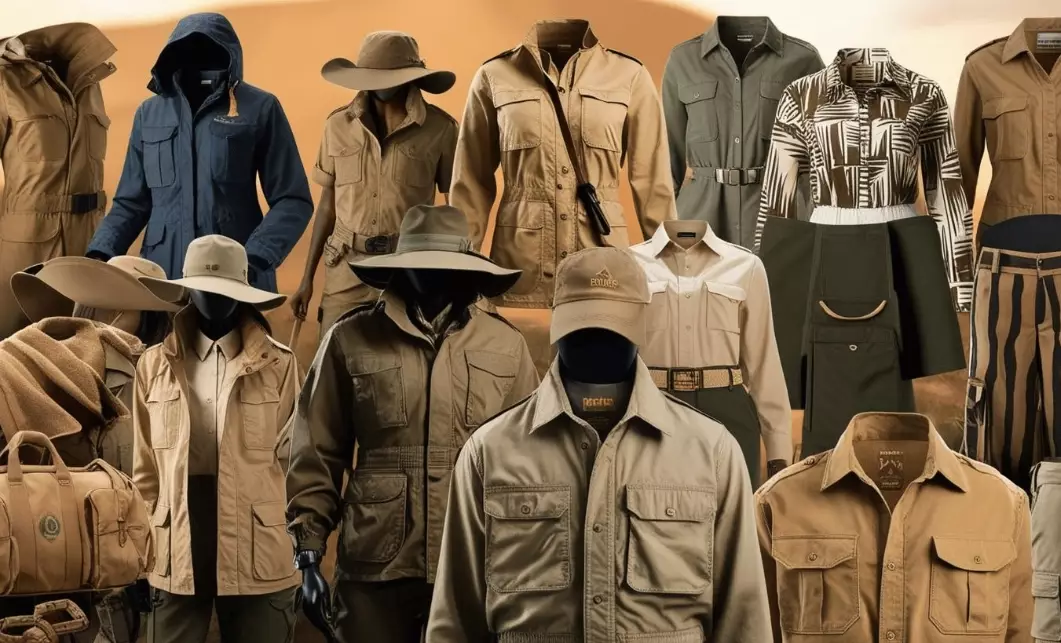
Your Quick Safari Style Cheat Sheet
The Real Reason Black is a Bad Idea
Forget the old myth that animals see you as a predator if you wear black. Most large game have dichromatic vision and don't perceive color like we do. The real issues are far more practical and affect you directly.
1. The Heat Magnet Effect
This is the biggest, most immediate problem. Black fabric absorbs all wavelengths of light, converting that light energy into heat. In the blazing African sun, a black shirt can be 10-15 degrees Fahrenheit hotter than a light-colored one. I learned this the hard way on my first drive in Kenya's Maasai Mara. My dark green shirt (close enough to black in its heat-absorbing properties) felt like a wearable oven by 10 AM. Meanwhile, my guide in his faded khaki shirt was perfectly comfortable.
You're not just sitting in an air-conditioned vehicle all day. You'll be getting in and out, standing for photos, maybe even taking a walking safari. Overheating leads to fatigue, dehydration, and a generally miserable time. You want to enjoy the lions, not fantasize about an ice bath.
2. The Insect Welcome Mat
Tsetse flies are a notorious pest in many safari regions, particularly in East and Southern Africa. These flies are strongly attracted to dark, moving objects—especially very dark blue and black. A study cited by the World Health Organization in their research on vector control notes the visual attraction of tsetse flies to dark colors. Wearing black is basically sending them a dinner invitation with your name on it. Their bite is painful and can transmit sleeping sickness. While the risk to tourists on short game drives is very low, why be the most attractive target in the vehicle?
It's not just tsetse flies. Dark colors also make it harder to spot ticks, which can be present in grassy areas.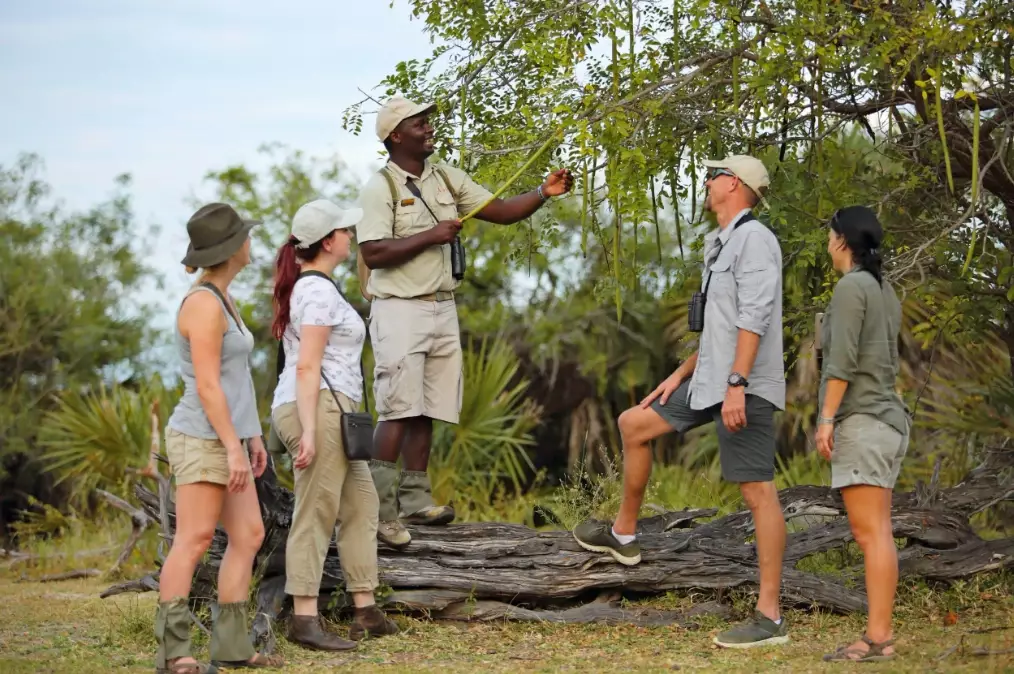
3. A Subtle Safety and Visibility Issue
On a walking safari, your guide needs to keep track of everyone. A person in dark clothing can blend into the shadows of the bush more easily than someone in neutral, light tones. It's about group cohesion and safety. Furthermore, in the rare event of an emergency, being more visually distinct is never a disadvantage.
Expert Tip: The color rule isn't just for tops. Dark pants or shorts suffer from the same heat-absorption problem. Your whole outfit should follow the light-and-neutral principle.
The Best Colors for Your Safari Wardrobe
So, if black is out, what's in? Your goal is a palette that reflects heat, blends naturally with the environment (for better wildlife viewing, not for hiding from it), and doesn't attract insects.
| Color Category | Specific Colors & Examples | Why They Work |
|---|---|---|
| Neutral & Light Tones | Khaki, Beige, Stone, Light Grey, Cream, Olive Green | Excellent heat reflection, classic safari look, minimal contrast with the environment. Olive green is a hidden gem—great for blending and doesn't attract bugs like black/blue. |
| Earth Tones & Muted Colors | Sage Green, Tan, Brown, Terracotta, Muted Rust | They mimic the natural colors of dust, soil, and dry grass. They keep you cool and are less startling to animals at close range on walking tours. |
| Colors to Generally Avoid | Black, Dark Navy Blue, Bright White, Vivid Reds/Oranges | Black/Blue: heat and insects. Bright White: can be glaring and get dirty instantly. Vivid Colors: some guides say they can startle animals (debated, but why risk it?). |
A note on dark blue: many people think it's a safe alternative to black. It's not. In terms of heat absorption and tsetse fly attraction, dark navy blue is often just as bad, if not worse in some fly zones. I'd avoid it completely.
Your ideal safari outfit? Think of it as a layered system in a cohesive color story. A light khaki shirt over a stone-colored tee, with olive-green convertible pants and a wide-brimmed hat in a neutral shade. It looks put-together, functions perfectly, and you'll stay cool from sunrise to sundowner.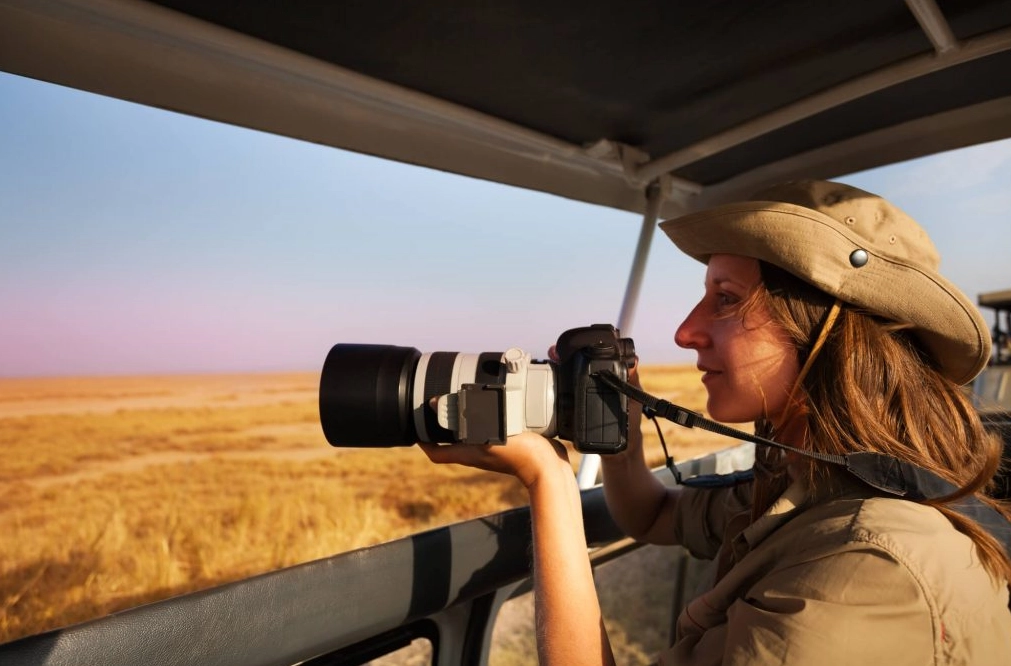
Beyond Color: The Fabric and Fit Guide
Color is half the battle. The fabric is what makes those good colors work for you or against you.
Forget Cotton (for your main layers). Yes, it's natural, but when cotton gets wet with sweat, it stays wet. It loses its insulating properties and can chafe. On a cool morning game drive, a sweat-soaked cotton shirt will make you very cold.
Embrace Technical Synthetics and Merino Wool. This is where investing a little pays off hugely in comfort.
- Merino Wool: Sounds crazy for Africa, right? Not the thick kind. Lightweight merino (150-200gsm) is magical. It wicks sweat, regulates temperature, and is naturally odor-resistant. You can wear the same base layer for days. Brands like Icebreaker or Smartwool are staples for a reason.
- Polyester or Nylon Blends: Look for terms like "moisture-wicking," "quick-dry," and "UPF sun protection." These fabrics pull sweat away from your skin to evaporate, keeping you dry and cool. Columbia, ExOfficio, and Patagonia make fantastic safari-appropriate pieces.
Fit is Key: Loose and Layered. Baggy is better than tight. Loose clothing allows air to circulate, creating a cooling effect. It also provides an extra layer of protection against mosquitoes. Your layering system should be: a moisture-wicking base layer (merino or synthetic), a light long-sleeved shirt (for sun and bug protection), and a lightweight jacket or fleece for chilly mornings and evenings.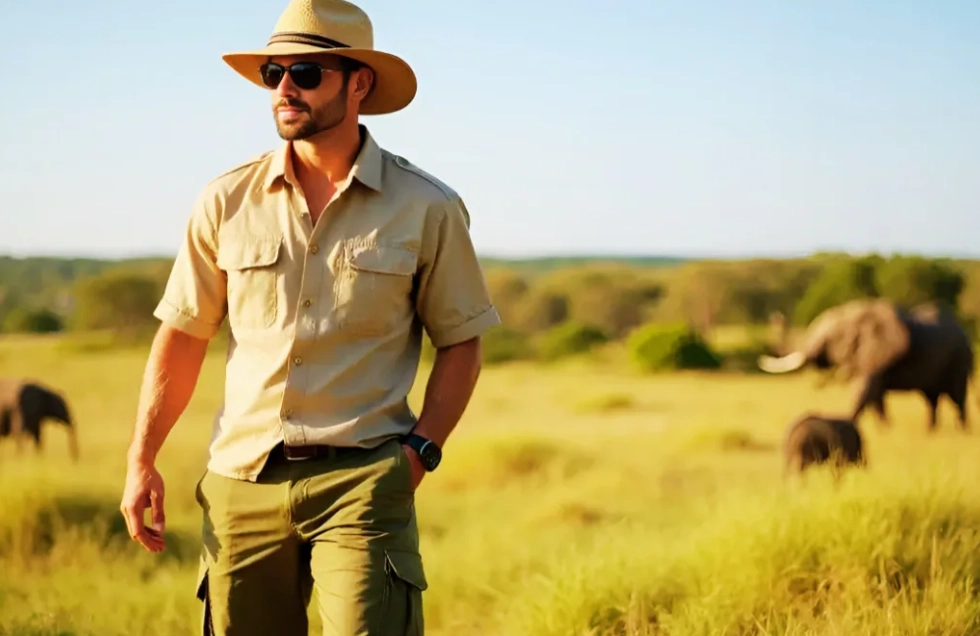
Let's get specific. A solid outfit for a 3-day safari in Kruger National Park might include:
- Top: ExOfficio BugsAway Sol Cool Guide Shirt (in Khaki). It has insect repellent built-in and UPF 50+. (~$80).
- Base Layer: Icebreaker Tech Lite II Short Sleeve Crewe (in Light Grey). Merino wool for multi-day wear. (~$65).
- Bottoms: prAna Brion Pant (in Olive). Stretchy, quick-dry, and durable. (~$85).
- Hat: Tilley T3 Cotton Duck Hat (in Sand). Wide brim, UPF 50+, and it floats if it blows off. (~$90).
This isn't cheap, but these pieces will last for years of travel and are the difference between being a spectator and a comfortable participant in your adventure.
Safari Clothing Questions Answered
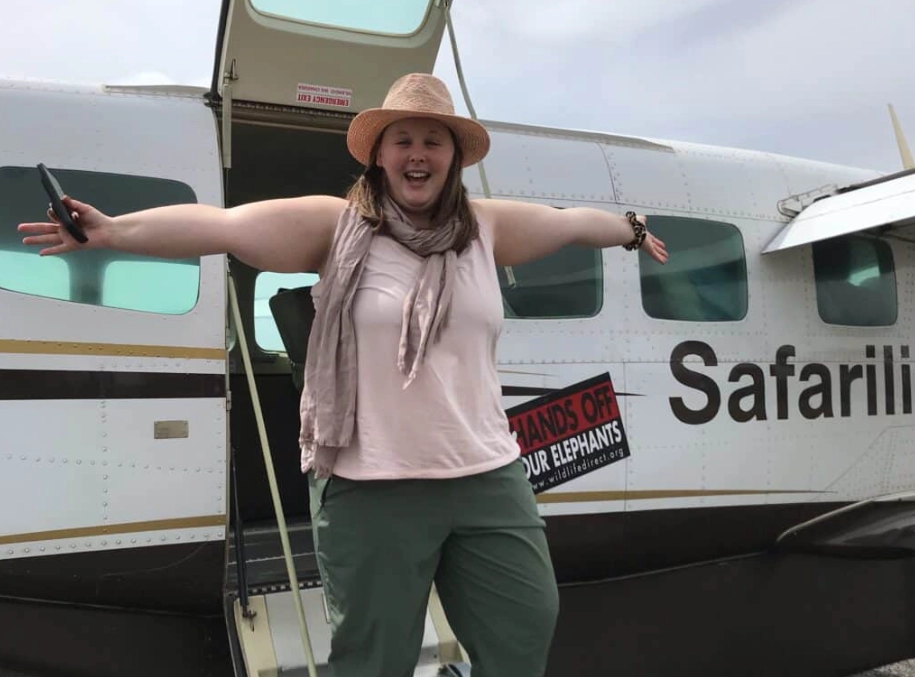 What about white? I heard it's good for reflecting heat.

Comments
Join the discussion