Let's cut to the chase. Asking "what are some good Asian dishes?" is like asking for a few good stars in the galaxy. The answer is vast, delicious, and deeply regional. Instead of a generic list, I'm giving you a targeted food map. We're going beyond "sushi and pad thai" to the specific meals, in the specific cities, at the specific spots where they shine. I've spent over a decade eating my way across Asia, and the biggest mistake I see is travelers sticking to hotel buffets or generic tourist menus. You miss the soul of the place. This guide is your fix.
Your Food Journey at a Glance
Japan: Beyond Sushi to Soul Food
Yes, sushi is iconic. But treating it as Japan's only good dish is a massive oversight. The real magic is in the everyday food.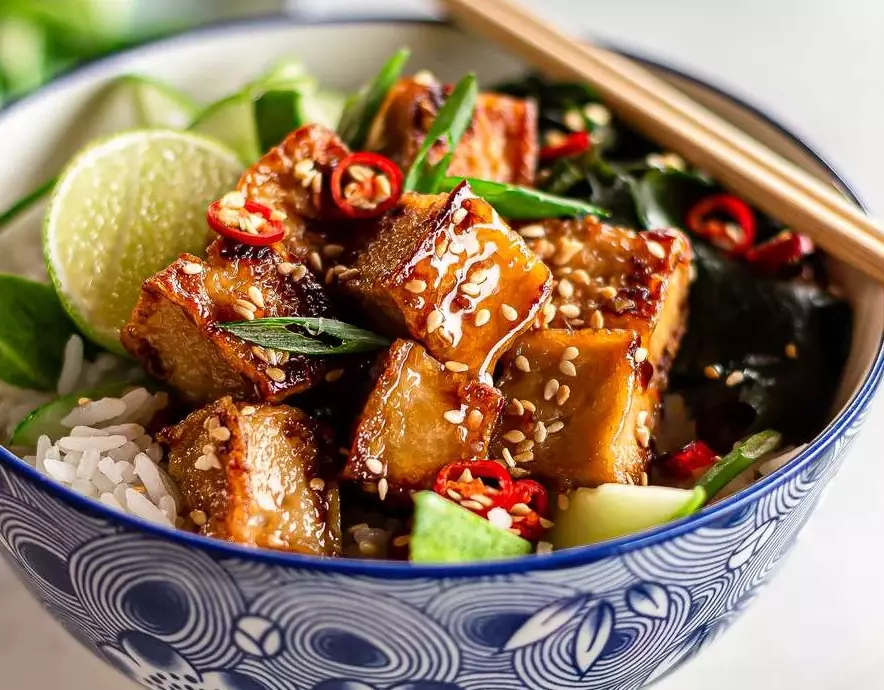
Where to Eat These Japanese Dishes
| Dish | What It Is | Must-Try Spot (Location) | Key Details |
|---|---|---|---|
| Ramen (Tonkotsu) | Rich, creamy pork bone broth with thin noodles. A Fukuoka specialty. | Ichiran (Multiple locations, but the original in Fukuoka's Nakasu district). | Famous for solo dining booths. Focus on the broth depth. Bowl: ~¥900. Open 24/7 at many locations. |
| Unagi (Grilled Eel) | Freshwater eel grilled over charcoal with a sweet-savory tare sauce. | Nodaiwa (Tokyo, Minato City). A centuries-old institution. | The eel is impossibly tender. Go for the unaju (eel over rice in a box). Lunch sets start around ¥4,000. Closed Wednesdays. |
| Okonomiyaki | A savory cabbage pancake from Osaka. "Okonomi" means "as you like it." | Mizuno (Dotonbori, Osaka). | Watch them cook it on the hotplate in front of you. Get it with pork and squid. ~¥1,500. Expect a queue. |
My first time at a proper tonkotsu ramen joint was a revelation. The broth was so thick it coated the spoon, a world away from the salty instant stuff. In Osaka, I made the mistake of trying to eat okonomiyaki with chopsticks like a local expert—it's a messy affair best tackled with the provided spatula. Embrace the mess.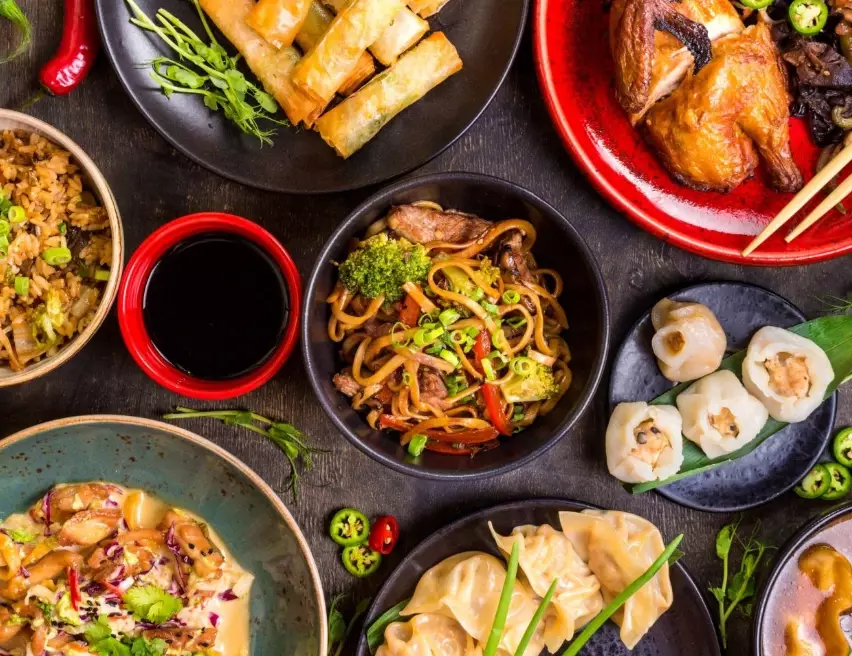
Thailand: The Art of Street Food Balance
Thai food is a masterclass in balancing sweet, sour, salty, spicy, and bitter. The best classroom is the street.
Navigating Bangkok's Street Food Scene
Forget fancy restaurants first. Head to places like Yaowarat (Chinatown) or the old-school stalls around Jay Fai's area (though getting a seat at Jay Fai herself is a mission). Look for stalls with a crowd of locals—that's your quality assurance.
Pad Thai: The national dish, but not all are equal. The version at Thip Samai (Mahachai Road, Bangkok) is legendary for a reason. They use a secret recipe tamarind sauce and wrap it in a thin egg net. It's a tourist spot, yes, but it's also genuinely excellent. (~฿70-150). Open 5 PM - 1 AM.
Som Tum (Green Papaya Salad): This is where you control your fate. The vendor will ask "pet mai?" (spicy?). If you're not used to Thai spice, say "pet nit noy" (a little spicy). I learned this the hard way, tears streaming, after a confident "pet pet!" (very spicy!).
Khao Soi: A northern Thai curry noodle soup with crispy and soft egg noodles. In Chiang Mai, Khao Soi Khun Yai (Sri Poom Road) is a humble spot serving what many consider the best. Creamy, coconut-based, with a hint of turmeric and pickled mustard greens on the side. (~฿50). Sells out by early afternoon.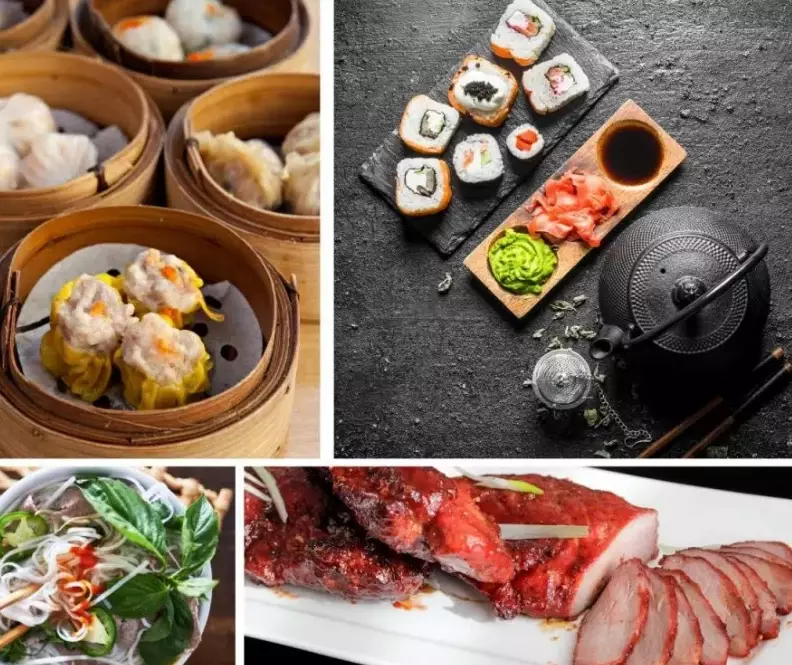
China: Two Culinary Giants (Sichuan vs. Cantonese)
Calling it "Chinese food" is useless. It's like saying "European food." The differences are dramatic.
Sichuan: The Land of Mala (Numbing Spice)
The heat here isn't just about chilis; it's about the Sichuan peppercorn that creates a tingling numbness.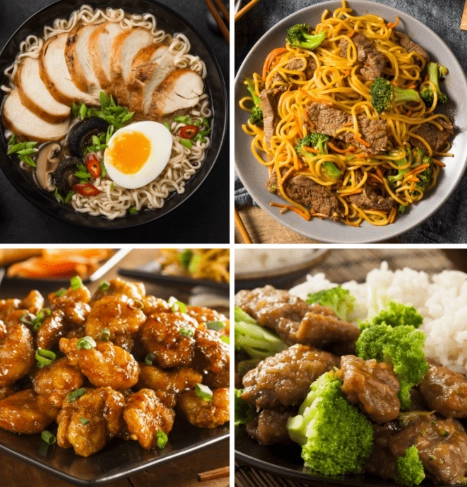
- Mapo Tofu: Soft tofu in a fiery, oily sauce with minced pork and fermented bean paste. The version at Chen Mapo Tofu in Chengdu (a chain with a long history) is the benchmark. Silky, spicy, and utterly moreish over rice.
- Dan Dan Noodles: Wheat noodles with a sauce of minced pork, chili oil, Sichuan peppercorn, and preserved vegetables. It's a dry noodle dish, not a soup. Look for small, busy noodle shops.
Cantonese: The Mastery of Subtlety and Freshness
In Guangzhou and Hong Kong, the philosophy is to highlight the ingredient's natural flavor. Steaming and stir-frying are kings.
- Dim Sum: This isn't a single dish but a culinary event. Go for har gow (shrimp dumplings), siu mai (pork and shrimp dumplings), and char siu bao (barbecue pork buns). For a classic experience in Hong Kong, Lin Heung Tea House (Wellington Street) offers the old-school pushcart service. It's chaotic, loud, and authentic.
- Roast Goose: Even better than duck, in my opinion. The skin is crackling, the meat juicy and faintly sweet from the marinade. Yat Lok Roast Goose in Hong Kong's Central district is famously no-frills and spectacular.
India: The Comfort of Curry and Bread
Indian food's complexity comes from layering spices, not just dumping chili powder. The bread is as important as the curry.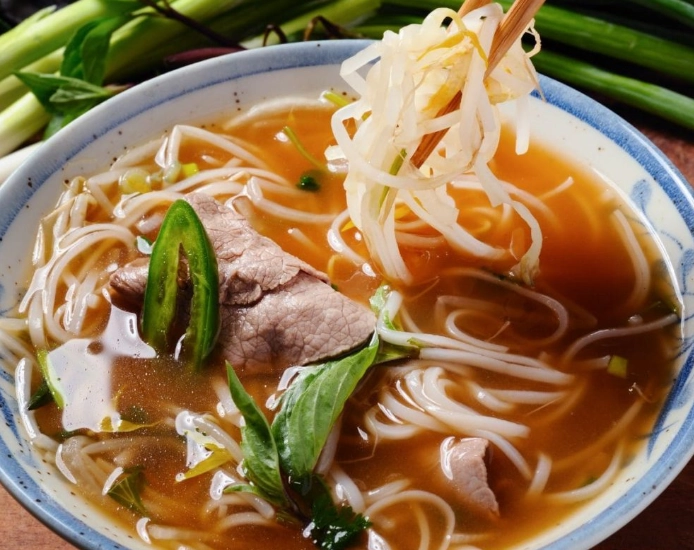
| Region/Dish | Spotlight | Where to Find It in Delhi |
|---|---|---|
| North Indian: Butter Chicken | Creamy tomato-based curry with tandoori chicken pieces. The ultimate comfort food. | Moti Mahal (Daryaganj) claims to have invented it. Rich, smoky, and buttery. |
| Street Food: Chole Bhature | Spicy chickpea curry with deep-fried, fluffy bread (bhature). A heavy, glorious breakfast. | Sita Ram Diwan Chand (Paharganj). A no-frills legend. Under ₹200 for a plate. |
| South Indian: Masala Dosa | A crispy fermented rice crepe filled with spiced potatoes. | Carnatic Cafe (multiple outlets). Get it with coconut chutney and sambar. |
One non-consensus point: don't shy away from street food in India. Hygiene fears are real, but look for stalls with high turnover (fresh food) and where the food is served piping hot. The flavor payoff is worth the calculated risk.
Korea: Fermented Flavors and Fire
Korean cuisine is built on fermentation (kimchi, doenjang) and communal eating.
Korean BBQ (Samgyeopsal): The DIY experience is half the fun. At a place like Maple Tree House (Itaewon, Seoul), you grill thick slices of pork belly at your table, wrap it in lettuce with garlic, ssamjang (paste), and kimchi. It's social, interactive, and delicious. Budget around ₩20,000 per person.
Kimchi Jjigae: This stew is the soul of Korean home cooking. A fiery, sour, and savory stew with kimchi, tofu, pork, and vegetables. It's often the meal you get after your BBQ meat is done, using the leftover bits on the grill. Any decent local restaurant in Seoul's Jongno district will serve a killer version.
Bibimbap: Don't get the sterile airport version. The real deal comes in a hot stone bowl (dolsot) at a place like Gogung (Myeongdong, Seoul). The rice gets crispy at the bottom, and you vigorously mix the vegetables, meat, egg, and gochujang (chili paste) together. The texture contrast is key.
Vietnam: Freshness Wrapped in Herbs
Vietnamese food is characterized by fresh herbs, clear broths, and minimal use of oil.
Pho: The national obsession. It's all about the broth—simmered for hours with beef bones, charred onion, and spices like star anise. In Hanoi, Pho Thin (13 Lo Duc) does a unique version where the beef is quickly sautéed with garlic before being added to the bowl, adding a fragrant, smoky note. (~₫60,000). Crowded, basic, perfect.
Bun Cha: Obama and Anthony Bourdain put this Hanoi dish on the map. Grilled pork patties and slices served in a sweet-sour fish sauce broth with a side of rice noodles and a mountain of herbs. Eat it by taking some noodles, herbs, and pork, then dipping it into the broth. Bun Cha Huong Lien (the "Obama Bun Cha" spot) is now very touristy but still good. For a local favorite, try Bun Cha Dac Kim (1 Hang Manh).
Banh Mi: The perfect fusion food, a legacy of French colonialism. A crisp baguette filled with pate, cold cuts, pickled vegetables, cilantro, and chili. In Ho Chi Minh City, Banh Mi Huynh Hoa (26 Le Thi Rieng) is a late-night institution, packing their sandwiches to overflowing. (~₫40,000). Open 2:30 PM - 3 AM.





Comments
Join the discussion