New Zealand looks perfect in photos—rolling green hills, epic mountains, pristine beaches. But after three trips there over the past decade, I've learned it's not all sunshine and hobbits. Let's cut through the hype. If you're planning a visit, here are some raw, honest reasons you might want to think twice. This isn't about bashing a beautiful country; it's about helping you make an informed choice so you don't end up disappointed or broke.
What You'll Find Inside
The Sky-High Costs: More Than Just a Pretty Penny
Let's start with the elephant in the room: money. New Zealand is expensive. I'm not talking slightly pricier than home—I mean wallet-draining, budget-blowing expensive. For many travelers, this is the biggest shock.
Accommodation That Hurts Your Bank Account
Forget cheap hostels. Even basic motels can cost a fortune. In Queenstown, a standard hotel room during peak season (December to February) runs NZD $250 to $400 per night. I stayed at the Heartland Hotel Queenstown last year—decent but nothing fancy, and it was NZD $280 a night. Budget options like YHA hostels are around NZD $40-60 per bed, but they book out months in advance. If you're after luxury, prepare to pay upwards of NZD $500. The issue isn't just price; it's value. You often get less for your money compared to places like Southeast Asia or even parts of Europe.
Food and Dining: Eating Out on a Budget? Good Luck
A simple cafe meal—think burger and fries—costs NZD $25-30. Dinner at a mid-range restaurant? Easily NZD $50-80 per person without drinks. I remember grabbing fish and chips in Auckland for NZD $18, and it was mediocre. Groceries aren't much better. A loaf of bread is NZD $3-4, milk NZD $4-5 per liter. If you're self-catering, expect to spend NZD $100-150 per week per person on basics. This isn't a place for foodies on a tight budget.
Here's a quick breakdown of typical daily costs for a mid-range traveler:
| Item | Approximate Cost (NZD) | Notes |
|---|---|---|
| Mid-range hotel (per night) | $200 - $350 | >Based on double occupancy in cities like Auckland or Christchurch.|
| Meal at a restaurant | $30 - $60 per person | >Excluding drinks; prices higher in tourist hotspots.|
| Car rental (per day) | $50 - $100 | >Depends on season and vehicle type; insurance adds extra.|
| Fuel (per liter) | $2.50 - $3.00 | >Petrol prices fluctuate but are consistently high.|
| Attraction entry (e.g., Hobbiton) | $80 - $120 | >Popular tours require advance booking.
These costs add up fast. A two-week trip for two can easily hit NZD $5,000-7,000 without flights. That's a lot for what you get.
Weather Woes: Four Seasons in One Day, Literally
New Zealand's weather is notoriously unpredictable. The locals joke about experiencing all four seasons in a day, but it's no joke when you're stuck in a downpour during your hike.
Rain, Wind, and Sudden Changes
The South Island, especially Fiordland, gets massive rainfall—over 7,000 mm annually in some areas. Milford Sound sees rain about 200 days a year. I planned a kayaking trip there once; it got canceled due to storms, and I lost NZD $150 in non-refundable fees. Even in summer, temperatures can swing from 25°C to 10°C in hours. Wind is another factor. Wellington is dubbed "Windy Wellington" for a reason—gusts can reach 120 km/h, making outdoor activities miserable.
Impact on Your Plans
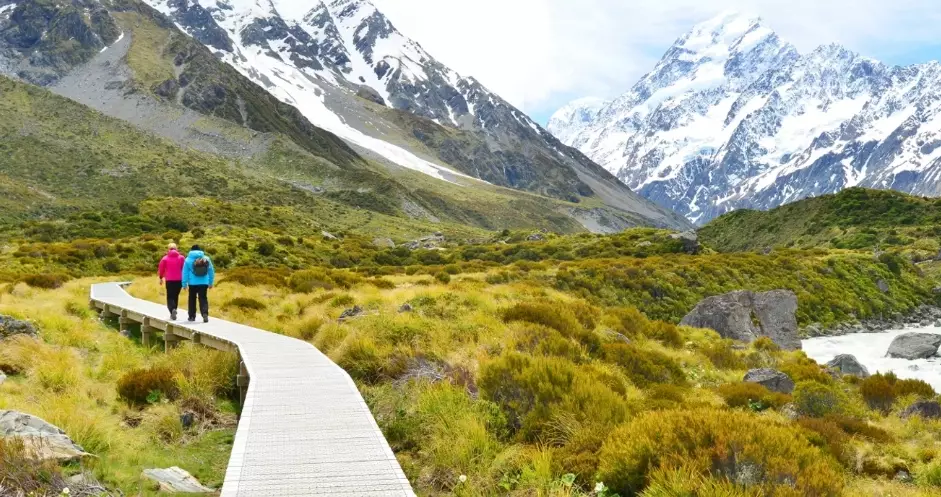
If you're into hiking or outdoor adventures, weather can ruin everything. The famous Great Walks like the Milford Track require bookings months ahead, but if bad weather hits, you're out of luck. Trails close due to flooding or snow, even in November. I've seen tourists in shorts shivering at Mount Cook because they didn't pack layers. You need to be flexible and prepared to change plans, which isn't ideal for a tight itinerary.
This unpredictability means you might spend days indoors, wasting precious vacation time. It's a gamble that doesn't always pay off.
The Tyranny of Distance: Getting There and Around
New Zealand is isolated. Really isolated. From most places, it's a long-haul flight that eats into your time and budget.
Long and Costly Flights
From North America, flights take 12-15 hours non-stop from Los Angeles or San Francisco, costing $1,200-$2,000 round-trip in economy. From Europe, it's even longer—often over 24 hours with layovers. Jet lag is brutal. I flew from London once; it took two days to recover, cutting into my trip. And once you're there, domestic flights aren't cheap either. Auckland to Christchurch is about NZD $150-200 one-way, and baggage fees add up.
Driving Distances That Wear You Out
Public transport is limited outside cities. Renting a car is almost a must, but driving here isn't a breeze. Roads are narrow, winding, and in rural areas, poorly maintained. The distance between attractions is huge. For example, driving from Auckland to Rotorua takes 3 hours, Auckland to Queenstown is a 2-hour flight or a 12-hour drive. Fuel costs, as mentioned, are high. If you're not used to left-hand driving, add stress. I've seen accidents caused by tourists misjudging corners.
This isolation means you spend a lot of time in transit, reducing actual exploration time. For a short trip, it's inefficient.
Crowded Corners: When Paradise Gets Packed
New Zealand's popularity has led to over-tourism in key spots, degrading the experience.
Peak Season Madness
From December to February, places like Queenstown, Wanaka, and the Hobbiton movie set are swamped. I visited Hobbiton in January—it felt like a theme park, with crowds shuffling through in guided groups. Tickets cost NZD $89, and you need to book weeks ahead. The serenity you see in photos? Gone. Parking is a nightmare, and restaurants have long waits. Even freedom camping spots are overcrowded, leading to litter and environmental issues.
Strain on Infrastructure
With more visitors, prices spike, and locals get frustrated. In small towns like Tekapo, housing shortages occur because properties turn into Airbnbs. The Department of Conservation reports that some hiking trails are eroding due to heavy foot traffic. If you're seeking solitude, you'll struggle to find it without venturing into remote, less-accessible areas.
Sustainable travel is a buzzword here, but the reality often contradicts it. Mass tourism strains resources, and as a visitor, you might feel guilty contributing to it.
FAQ: Your Burning Questions Answered
For budget travelers, is New Zealand worth the high costs?
It depends on your priorities. If you're on a tight budget, New Zealand can be punishing. You'll need to sacrifice comfort—think camping or hostel dorms, cooking your own meals, and skipping pricey tours. Even then, daily expenses can exceed NZD $100 per person. Compared to destinations like Thailand or Peru, the value for money is lower. My advice: save up longer or consider cheaper alternatives in the Pacific, like Fiji or Tasmania, which offer similar landscapes without the sticker shock.
How bad is the weather really, and can I avoid it?
The weather is genuinely unpredictable year-round. Summer (Dec-Feb) has more stable conditions, but rain and wind are still common. Winter (Jun-Aug) brings snow and cold, especially in the south. To minimize issues, travel in shoulder seasons—March to May or September to November—but even then, pack for all scenarios. Waterproof gear is non-negotiable. Check forecasts from MetService, New Zealand's official meteorological service, but don't rely on them entirely. Have backup indoor plans, like museums or hot pools.
Is New Zealand safe for solo travelers given its remote areas?
Safety-wise, New Zealand is generally safe with low crime rates. However, the remoteness poses risks. If you're hiking alone, trails can be isolated with spotty cell coverage. I've heard stories of solo hikers getting lost in national parks like Abel Tasman due to poorly marked paths. Always file a trip intention form with DOC, carry a personal locator beacon, and stick to well-traveled routes. For driving, breakdowns in rural areas can leave you stranded for hours. Travel insurance is crucial—make sure it covers adventure activities and medical evacuation.
What are some hidden downsides that guidebooks don't mention?
Guidebooks often gloss over the mundane frustrations. For instance, sandflies—tiny biting insects—are rampant in coastal areas like the West Coast. They're worse than mosquitoes and can ruin a picnic. Another thing: shopping hours are limited in small towns; supermarkets close early, and on Sundays, many places shut down. Internet connectivity is patchy outside cities, so working remotely is tricky. Also, the "friendly Kiwi" stereotype is mostly true, but in tourist hubs, service can be rushed or indifferent due to staff shortages.
Can I experience New Zealand without contributing to over-tourism?
It's challenging but possible. Avoid peak seasons and popular icons like Milford Sound or Tongariro Alpine Crossing. Instead, explore lesser-known regions—the Catlins on the South Island or the Coromandel Peninsula's hidden beaches. Support local businesses directly, not big tour operators. Use public transport where available, and consider volunteering with conservation projects through organizations like DOC. But honestly, if sustainability is a top concern, reconsider whether visiting a fragile ecosystem under pressure is the right choice.
New Zealand is stunning, no doubt. But it's not a flawless paradise. The high costs, fickle weather, sheer distance, and crowds can turn a dream trip into a stressful ordeal. If you're still set on going, go in with eyes wide open—plan meticulously, budget extra, and embrace flexibility. Otherwise, you might find yourself wondering why you didn't pick a closer, cheaper destination. Travel is about joy, not just ticking boxes. Make sure your choice brings you that.


Comments
Join the discussion