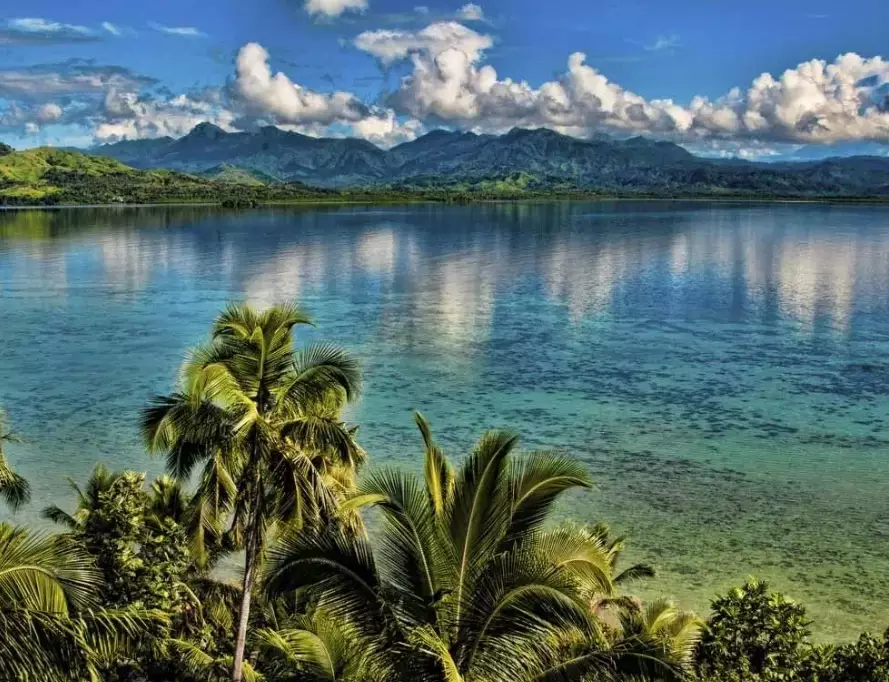
You see the pictures: pristine water, palm-fringed shores, and smiling faces. Fiji is a dream destination. But have you ever stopped on that beach and wondered, who else is sharing this paradise with me? Where do most of Fiji's tourists actually come from? The answer isn't just a trivia fact—it shapes everything about the travel experience there, from the vibe at your resort to the best time to book a flight. Let's cut through the generic travel brochures. Based on the latest data from Fiji's official sources, like the Fiji Bureau of Statistics, the story is clear, predictable in some ways, and full of surprises in others.
Here’s the thing. Knowing the top source markets tells you what to expect. It explains why some areas feel bustling while others are serene, why certain cuisines are everywhere, and even where you might find flight deals. This isn't about dry statistics; it's your insider guide to navigating Fiji's tourism scene like a pro.
What's Inside This Guide?
- The Big Picture: Fiji's Tourist Arrivals by the Numbers
- Top Source Market #1: Australia – The Reliable Neighbor
- Top Source Market #2: New Zealand – The Close Cousin
- Top Source Market #3: The United States – The Long-Haul Luxury Seeker
- The Supporting Cast: Other Key Markets
- How Does This Affect Your Fiji Trip?
- Your Fiji Travel Source Questions Answered
The Big Picture: Fiji's Tourist Arrivals by the Numbers
Before the pandemic, Fiji was flirting with nearly 900,000 annual visitor arrivals. The rebound has been strong. The latest consolidated data (we're looking at reports from the Fiji Bureau of Statistics and Fiji Airways traffic updates) shows a clear hierarchy that has held steady for years. Forget vague guesses. The podium for Fiji's tourism is dominated by three countries, and together they account for a massive chunk of all visitors.
This table breaks down the estimated market share based on recent post-pandemic recovery trends. The percentages can shift a point or two year-to-year, but the order is virtually locked in.
| Source Country | Estimated Market Share | Typical Travel Style | What It Means For You |
|---|---|---|---|
| Australia | ~40-45% | Families, couples, short breaks (5-7 days). Loves Denarau & Coral Coast. | Expect family-friendly amenities. Peak during Aussie school holidays. |
| New Zealand | ~20-25% | Similar to Australia, but with a stronger affinity for adventure & sailing. | >Lots of direct flights. A familiar, relaxed Antipodean atmosphere. |
| United States | ~10-15% | Honeymooners, luxury seekers, longer stays (7-14 days). Favors outer islands. | High-end resort options abound. Service often caters to US expectations. |
| United Kingdom/Europe | ~5-8% | Long-haul escapism, bucket-list trips. Seeks "authentic" Fijian culture. | You'll meet them on more remote island hopping itineraries. |
| China & Other Asian Markets | ~5-10% (Variable) | Group tours, shopping, curated experiences. Pre-COVID, China was rising fast. | Influence seen in some resort menus and tour operator offerings. |
See that? Australia and New Zealand alone make up about two-thirds of all visitors. This isn't a minor detail; it's the foundation of Fiji's tourism economy. The US is the crucial third pillar, bringing in the big spenders. Everyone else fills in the gaps. This concentration has pros and cons. It provides stability, but it also makes Fiji vulnerable to economic downturns in Sydney or Auckland. For you, the traveler, it directly influences the landscape.
Top Source Market #1: Australia – The Reliable Neighbor
It’s no shock. A short 4-hour flight from the east coast, Fiji is Australia's equivalent of the Caribbean for Americans. It's the default sun-and-sand fix. The Australian Tourist Commission often promotes it as an easy tropical escape. This massive influx means entire areas are practically built for Aussie tastes.
Denarau Island is the epicenter. It feels less like a remote Pacific island and more like a slick, convenient resort complex. You've got golf courses, marina, chain restaurants, and big-brand hotels like Sofitel, Sheraton, and the Hilton. It's perfect for families who don't want any surprises—the kids' clubs are top-notch, and you can get a decent flat white. The Coral Coast, stretching south from Nadi, is another Aussie magnet, offering a mix of larger resorts and more budget-conscious options.
The upside? This volume drives down airfare from Australia and creates fierce competition among resorts, leading to package deals you can snag. The downside? Some parts can feel less like an exotic getaway and more like a satellite of Sydney or Brisbane.
Top Source Market #2: New Zealand – The Close Cousin
Similar story, even shorter flight (around 3 hours). New Zealanders view Fiji with the same affectionate, familiar ease. You'll notice a ton of Air New Zealand and Fiji Airways flights connecting Auckland, Wellington, and Christchurch to Nadi. The traveler profile is almost identical to the Aussies—lots of families and couples—but with a slight twist.
In my experience, Kiwi travelers tend to be a bit more adventurous on average. Maybe it's their own country's rugged landscape, but I've met more New Zealanders on sailboat charters through the Mamanucas and Yasawas, or seeking out the less-developed parts of Vanua Levu, compared to their Aussie counterparts who might park themselves at a resort for a week.
This market reinforces the South Pacific regional travel bubble. It means service staff are incredibly familiar with Antipodean accents and preferences. It also means events like rugby matches (when the Flying Fijians play the All Blacks) are a huge deal and can fill up venues and create a fantastic atmosphere.
Top Source Market #3: The United States – The Long-Haul Luxury Seeker
Here’s where the dynamic shifts. The US market, primarily from the West Coast (LAX, SFO), is smaller in volume but massive in economic impact. These travelers have flown 10+ hours. They're not coming for a quick weekend. They're here for a major holiday—think honeymoons, anniversaries, bucket-list trips.
They spend more per day and stay longer. This demographic is the lifeblood of Fiji's high-end luxury resort sector. Places like Likuliku Lagoon Resort (adults-only, famous for its overwater bures), Laucala Island, and the resorts on Turtle Island cater overwhelmingly to this market. The experience is curated, exclusive, and breathtakingly beautiful.
What does this mean for you if you're not on a honeymoon budget? First, it sets a high bar for service and luxury that trickles down. Even mid-range places try to emulate that "Fijian hospitality" ideal. Second, it explains the development in places like the Mamanuca Islands—easily accessible by speedboat or seaplane from Nadi, offering that pristine postcard look that US marketing loves. If you're American, you'll feel right at home in these spots. If you're from elsewhere, you'll notice the US-centric amenities and sometimes, the prices to match.
The Flight Connection Secret
Because the US route is so lucrative, Fiji Airways (and partners like American Airlines) often offer competitive fares and package deals from Los Angeles. A sneaky good strategy for travelers from other regions is to find a cheap flight to LA or San Francisco first, then catch a Fiji Airways flight on sale. It's a long journey, but it can save you a bundle compared to flying from, say, Europe directly.
The Supporting Cast: Other Key Markets
The UK and Europe are steady contributors. They're the true long-haulers, often combining Fiji with stops in New Zealand or Australia. They tend to be well-researched travelers seeking cultural immersion, which is why you'll find them on village visits, eco-tours, and smaller boutique resorts focused on sustainability.
The Asian market, particularly China, was the big growth story pre-2020. Direct flights from major Chinese cities were increasing, and large, Chinese-operated tour groups were becoming a common sight. This market hasn't fully rebounded to those levels yet, but it's a space to watch. Its influence led to more Mandarin-speaking guides, specific payment options, and altered buffet offerings at some large hotels.
Canada is often grouped with the US in statistics but is a smaller, similar profile. Emerging markets like India are also on the radar, especially for wedding tourism and niche travel.
How Does This Affect Your Fiji Trip?
This isn't academic. Let's get practical. How does knowing Australia is #1 help you plan?
Choosing Where to Stay: Want vibrant, easy, family-focused? The Aussie-heavy zones (Denarau, Coral Coast) are your jam. Craving romantic, luxurious, secluded? Look to the resorts in the Mamanucas and Yasawas that cater to the US honeymoon crowd. Seeking authentic and off-path? Target areas less frequented by the big two, like the northern island of Vanua Levu (Savusavu) or Kadavu, which attract more European and intrepid travelers.
Timing Your Visit: We touched on school holidays. Use this knowledge. The weeks around Christmas and New Year are the most expensive and crowded, fueled by both Aussie/Kiwi holidays and US winter breaks. For better deals and thinner crowds, target the months of March, April, May, October, and early November.
Cultural Expectations: The heavy Anglo influence (AUS/NZ/US/UK) means English is universally spoken, tipping is understood but not aggressively expected (resorts often have a no-tipping policy, which is great), and service is generally warm and friendly in a way that feels familiar to Westerners. The Fijian "Bula spirit" is genuine, but it's been polished through decades of hosting these specific markets.
Your Fiji Travel Source Questions Answered
As an American, will I find Fiji too ‘Aussie’ for my taste?
It depends where you go. If you stay in Denarau, yes, you might feel like you're in a tropical Australian suburb. But that's not the real Fiji most Americans fly for. Book a resort on a smaller island in the Mamanucas or Yasawas. The moment you step onto that boat transfer, the demographic shifts. You'll be surrounded by other international travelers and honeymooners. The vibe becomes more about the stunning environment than which rugby team is playing.
I’m traveling from Europe on a budget. Is Fiji too expensive because of all the luxury tourism?
Not necessarily. The luxury market creates a high ceiling, but there's a solid floor of affordable options built for the volume AUS/NZ market. Look for backpacker hostels in Nadi and Suva, locally-run guesthouses (like in the Coral Coast), and the cheaper resort options on the mainland. Travel by local buses (they're an adventure!) and eat at small "canteens" in towns. You can experience Fiji without the five-star price tag by deliberately avoiding the hubs designed for the top-spending Americans.
Does Fiji feel overcrowded with tourists?
Fiji is an archipelago of over 300 islands. The feeling of crowding is hyper-localized. Nadi Airport, Denarau Port, and the main beaches of Denarau can feel busy. But here's the secret: you're never more than a 1-hour boat ride from relative solitude. Even on popular day-trip islands in the Mamanucas, walk five minutes away from the main landing jetty and you'll often find a stretch of beach to yourself. The perception of crowds is a function of staying in the most convenient, marketed spots.
Is it safe to travel to Fiji given its reliance on tourism?
This is a nuanced one. Fiji is generally a very safe country for tourists. Crime rates in resort areas are low. The reliance on tourism means the industry and government work hard to protect visitors—it's the economic engine. However, that reliance also means during global crises (like a pandemic or a major recession in Australia), the economy suffers, which can lead to increased petty crime in urban areas outside the resorts. Standard precautions apply: don't flash valuables in Suva or Nadi town, use hotel safes, and be aware of your surroundings. Within the resort bubble, safety is rarely a concern.
How can I experience the ‘real’ Fiji beyond the tourist bubbles?
The tourist bubbles exist for a reason—they're easy. To go beyond, you need a little effort. Book a homestay or village visit through a reputable operator (like the National Trust of Fiji). Spend a few nights on Vanua Levu or Taveuni, where tourism is more about diving and nature than sprawling resorts. Visit the local markets in Suva or Lautoka. Take a cooking class with a Fijian family. The key is to allocate part of your trip outside the main tourist corridors. Even a day trip from Denarau to the Garden of the Sleeping Giant or a village near the Coral Coast can provide a more genuine connection.
So, where do most of Fiji's tourists come from? Overwhelmingly, from its nearest neighbors, Australia and New Zealand, with the United States playing a critical role in defining the luxury end of the market. This isn't just data—it's the blueprint for your Fijian adventure. Use it to pick your island, time your visit, and set your expectations. Whether you want the easy family holiday, the romantic splurge, or the cultural deep dive, understanding who's already there is the first step to finding your perfect Fiji.

Comments
Join the discussion