Ask ten people what the most popular Asian dish is, and you'll likely get ten different answers. Sushi? Pad Thai? Chicken Tikka Masala? The question seems straightforward, but popularity is a tricky thing to measure. Is it about global sales? Cultural impact? Search engine volume? The truth is, Asia's culinary landscape is so vast and diverse that picking a single winner feels almost disrespectful. Instead of declaring one champion, let's explore the heavyweights in different categories – the street food kings, the restaurant staples, and the home-cooked heroes that have conquered palates from Tokyo to Toronto.
I've spent over a decade writing about and, more importantly, eating my way across Asia. The biggest mistake I see people make is conflating "popular in the West" with "popular in Asia." A dish like General Tso's Chicken is an American phenomenon, barely known in China. Real popularity has layers.
What's Inside This Guide?
How Do You Even Define "Most Popular"?
Let's break this down. Popularity isn't one thing.
There's global recognition. Think sushi. You can find a sushi joint in almost any major city worldwide. Then there's domestic ubiquity. In Japan, a bowl of ramen or a set of gyōza (dumplings) might be consumed more frequently by locals than sushi, which is often a treat. Finally, there's cultural export success. Dishes like Thai Green Curry or Vietnamese Phở have become synonymous with their country's cuisine abroad, shaping entire restaurant categories.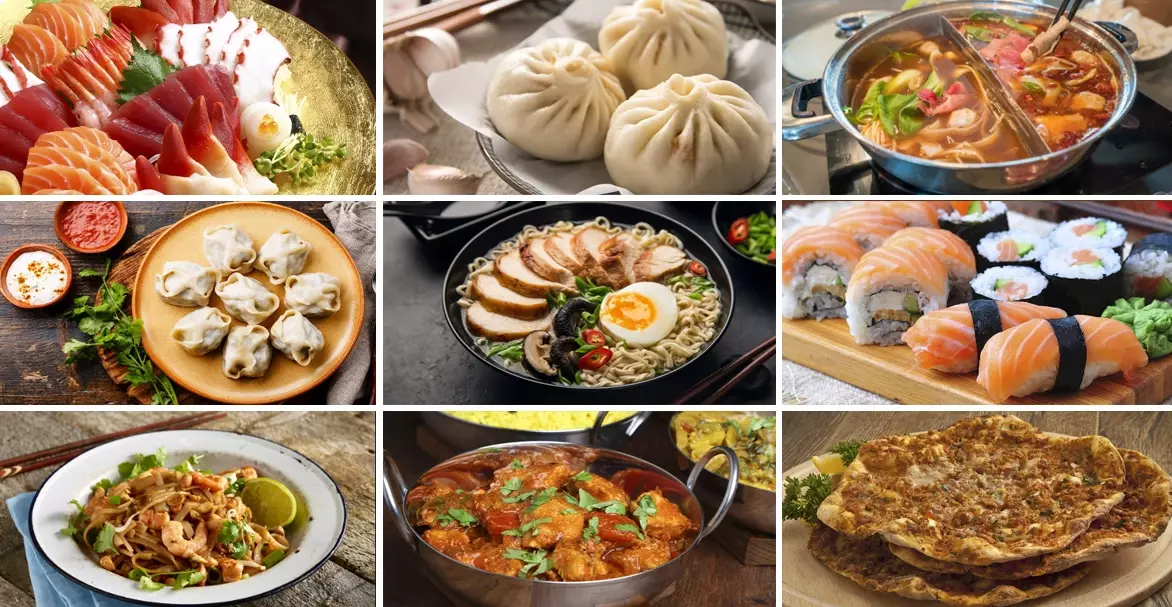
Data points are all over the place. A 2023 report by the World Food Travel Association noted that "Asian flavors" consistently rank as a top culinary motivator for travelers. Meanwhile, delivery platform data from companies like Deliveroo and Uber Eats often show stir-fries and curries as top orders in Western cities. But in Asia itself? The story changes daily.
The Expert's Take: After talking to chefs and food historians, I've found that the most enduringly popular dishes share three traits: they're adaptable (easy to tweak for local tastes), approachable (not too intimidating for new eaters), and have a strong narrative (a story about origin or craftsmanship). Sushi and Ramen tick all these boxes perfectly.
The Undisputed Global Icons
These are the dishes you'll find on menus from Paris to Perth. They've transcended their origins.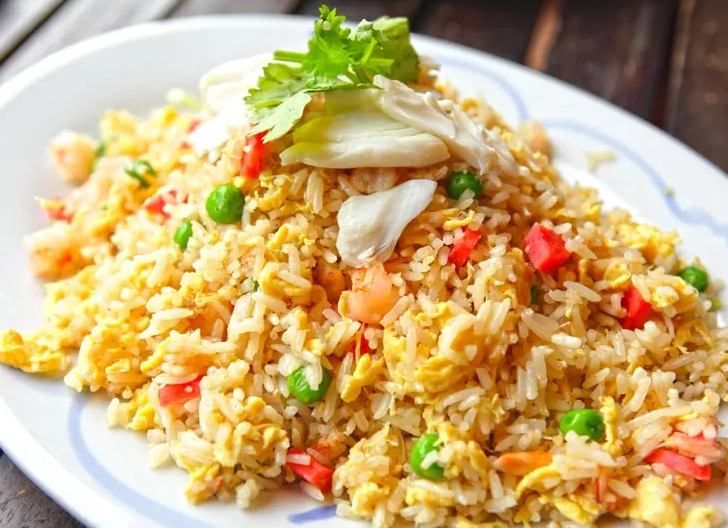
Sushi & Sashimi (Japan)
It's hard to argue against sushi's global footprint. What started as a method of preserving fish in fermented rice is now a multi-billion dollar industry. Its popularity isn't just about taste; it's about an experience. The precision, the artistry, the minimalism – it feels special. But here's a nuance most miss: outside Japan, the most popular form is often the American-style roll (like the California Roll), packed with avocado and mayo. In Tokyo, nigiri (fish on rice) and sashimi reign supreme. The popularity of the dish is undeniable, but its form shifts dramatically across borders.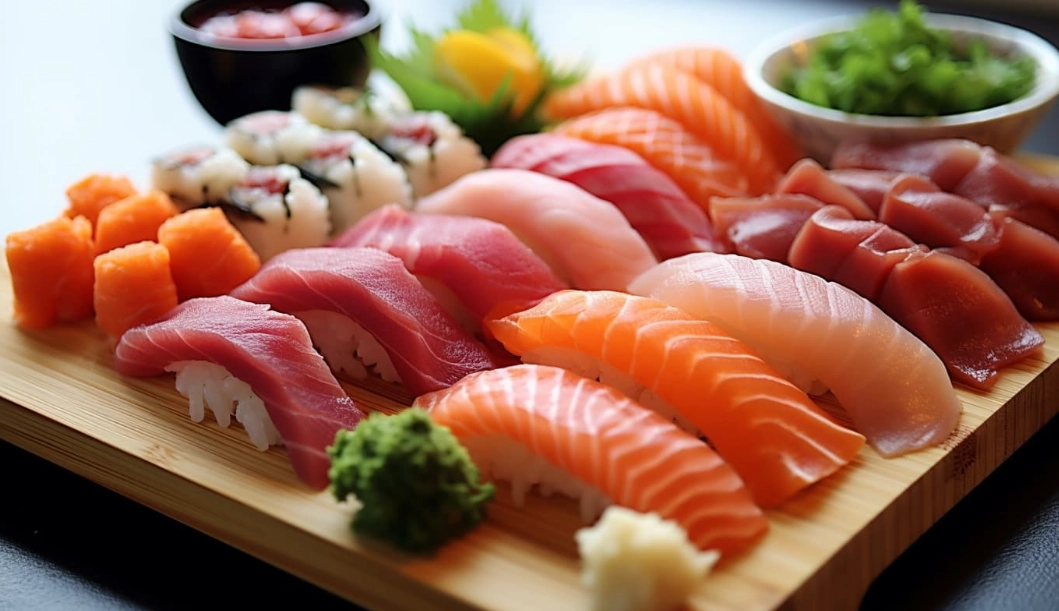
Ramen (Japan)
If sushi is for celebration, ramen is for sustenance. This humble bowl of noodles, broth, and toppings has achieved cult status. Its popularity lies in its depth and variety – the rich tonkotsu (pork bone) broth of Hakata, the soy-based shoyu ramen of Tokyo, the miso ramen of Sapporo. It's a complete, satisfying meal in a bowl. I'd argue its global rise in the last 15 years rivals that of sushi, fueled by social media images of steaming, gorgeous bowls.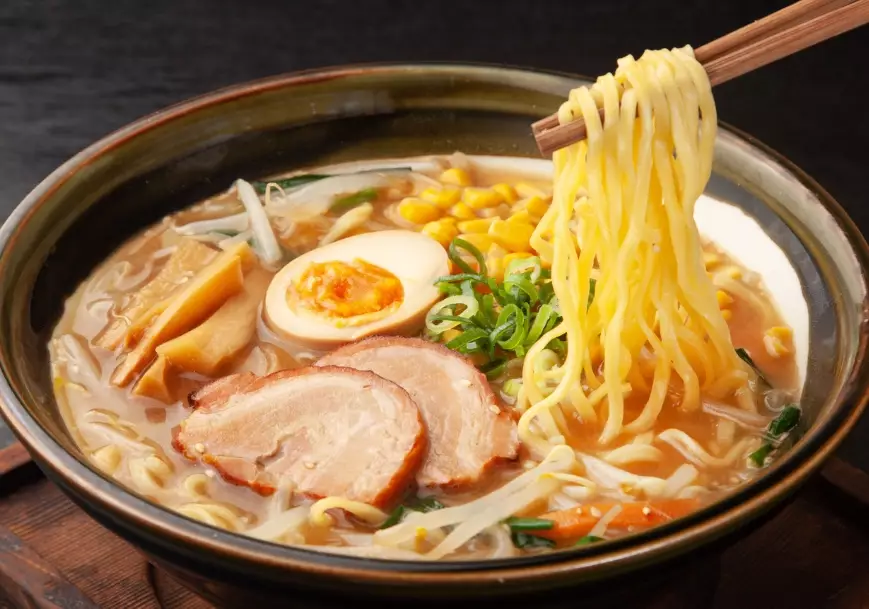
Various Curries (Pan-Asian)
This is a category, not a single dish, and that's its strength. From the coconut-milk based Thai Green and Red Curries to the complex, spice-laden Indian curries like Butter Chicken and Rogan Josh, to the Japanese Kare Raisu (curry rice). The concept of a spiced, saucy dish served with rice or bread is universally appealing. 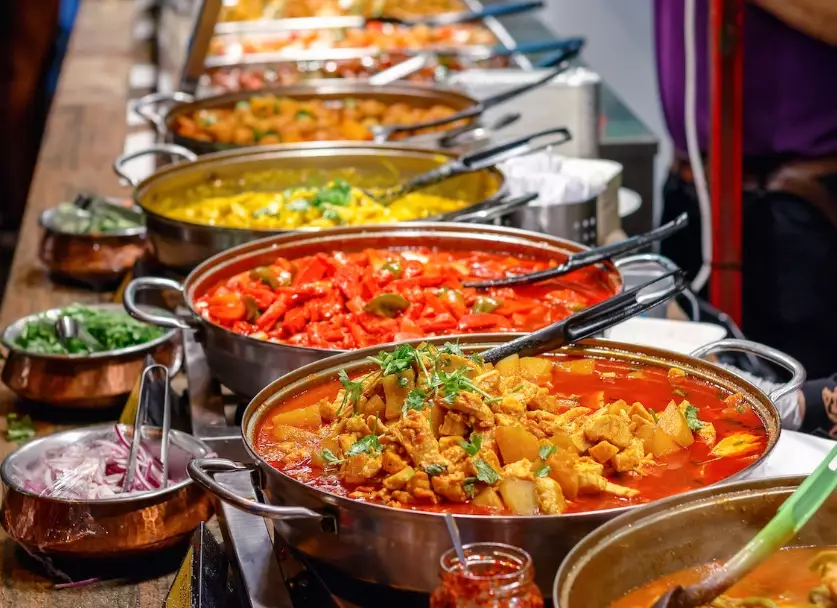 According to a feature by CNN Travel on global food trends, curry is consistently one of the most searched-for recipe categories online, indicating massive home-cooking interest.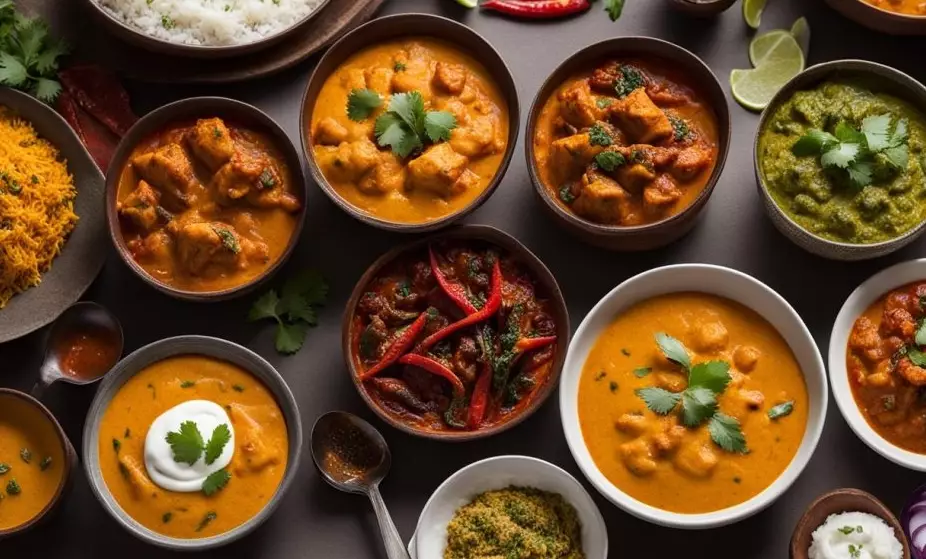
Kings of the Street: Where Locals Queue Up
Forget fancy restaurants. True popularity is measured by the length of the line at a street stall at 2 AM.
Pad Thai (Thailand): The national stir-fried noodle dish. It's sweet, sour, salty, and crunchy all at once. In Bangkok, you'll find a vendor on almost every other block. A proper Pad Thai is cooked over searing high heat in a single portion – a fact many Western restaurants get wrong by cooking it in batches.
Xiaolongbao (Soup Dumplings, China/Shanghai): These delicate steamed dumplings holding a pocket of hot, savory soup are a marvel of engineering. The popularity of chains like Din Tai Fung, which built an empire on this single dish, is a testament to its global appeal. Eating one without spilling the soup is a rite of passage.
Satay (Southeast Asia): Skewered, grilled meat with a peanut sauce. Found across Indonesia, Malaysia, Thailand, and Singapore. It's the ultimate shareable, casual food. Its popularity is rooted in simplicity and that irresistible smoky, sweet, and nutty combination.
Your Hit List: Where to Find the Real Deal
Reading about it is one thing. Knowing where to go is another. Here’s a concrete, actionable list of spots (some iconic, some personal favorites) where these popular dishes are done right. Prices are approximate for one person.
| Dish | Restaurant / Stall Name & Location | What Makes It Special | Price Range | Hours (Typical) |
|---|---|---|---|---|
| Sushi (Nigiri) | Sushi Dai, Toyosu Market, Tokyo, Japan. (The legendary queue at Tsukiji's old location has moved). | Omakase-style (chef's choice) served directly at the counter. Ultra-fresh fish from the adjacent market. An immersive experience. | $80-$150 | 5:00 AM – 2:00 PM (Closed Sundays) |
| Tonkotsu Ramen | Ichiran, Multiple locations, starting in Fukuoka, Japan. Now in NYC, HK, etc. | Focus on solo dining in "flavor concentration booths." Their rich, milky broth and secret red sauce are iconic. Consistent worldwide. | $12-$20 | Varies, often 24 hours in major cities |
| Pad Thai | Thip Samai, 313-315 Maha Chai Rd, Bangkok, Thailand. | Known as the "Pad Thai Ghost Gate" stall. They use a unique method with a thin egg net wrapped around the noodles. Always a long queue. | $3-$6 | 5:00 PM – 2:00 AM |
| Xiaolongbao | Din Tai Fung, Originated in Taipei, Taiwan. Now global (USA, UK, AUS, etc.). | The gold standard for consistency and technique. Each dumpling has a precise 18 folds. Their hygiene and process are legendary. | $15-$30 | 11:00 AM – 9:00 PM (varies) |
| Butter Chicken | Moti Mahal, Daryaganj, Delhi, India (the claimed birthplace). | History on a plate. The story goes that this dish was invented here by mixing leftover tandoori chicken in a tomato-cream gravy. Rich and aromatic. | $10-$18 | 12:00 PM – 11:30 PM |
A note on street food: Always go where the line is. If locals are waiting, it's usually worth it.
Avoid These Common Mistakes When Ordering
Want to eat like you know what you're doing? Skip these pitfalls.
- Drowning sushi in soy sauce. The chef seasoned the rice. Dip the fish side, not the rice, lightly. Pouring a dark pool ruins the balance.
- Asiring for "Thai Hot" unless you're sure. Thai spice levels are no joke. "Medium" is often plenty for most palates. You can always add more chili later.
- Thinking all curries are the same. A Japanese curry is sweet and thick like a stew. A Thai curry is a coconut-based soup. An Indian curry is a complex gravy. They're worlds apart.
- Eating soup dumplings (Xiaolongbao) wrong. Place it on your spoon, nibble a tiny hole, sip the soup first, then eat the dumpling with a dab of ginger-vinegar. Don't just pop the whole thing in your mouth – you'll burn yourself and miss the point.
Your Burning Questions Answered
Besides sushi and ramen, what's an Asian dish that's genuinely popular worldwide but flies under the radar?
Gyoza or Japanese pan-fried dumplings. They're the ultimate gateway food. Every culture has a dumpling, so the concept is familiar, but the thin, crispy wrapper and juicy pork-and-cabbage filling hit a universal pleasure center. You find them in izakayas worldwide, and frozen gyoza are a supermarket staple. Their popularity is quiet but massive.
I want to cook a popular Asian dish at home. Which one is the most forgiving for a beginner?
Start with a simple stir-fry, like a basic Chicken and Vegetable Stir-fry with a soy-oyster sauce glaze. The techniques—high heat, quick cooking, prepping everything beforehand—are foundational. Avoid jumping straight into sushi (the rice is tricky) or perfect soup dumplings (the dough is an art). A good stir-fry teaches you about wok hei (the "breath of the wok") and ingredient prep without a high risk of failure. Get your mise en place right, and you're 80% there.
Is there a "most popular" dish that you think is overrated?
This might be controversial, but here goes: the overly sweet, gloopy version of General Tso's Chicken served in many Western Chinese takeaways. It bears little resemblance to any authentic Chinese cuisine. It's popularity is a testament to American-Chinese innovation, which is valid, but it often overshadows more nuanced, regional Chinese dishes like Kung Pao Chicken (the real, Sichuan peppercorn-numbing version) or Dongpo Pork. If that's your only reference for Chinese food, you're missing out on an entire universe of flavor.
How does regional popularity within Asia differ from the global list?
Dramatically. In South Korea, Kimchi Jjigae (kimchi stew) or Samgyeopsal (grilled pork belly) are daily staples, but have narrower global recognition. In the Philippines, Adobo is the national dish but isn't as globally ubiquitous as Pad Thai. In parts of India, a simple Dal (lentil stew) and Roti (flatbread) is the true daily meal, not the rich restaurant curries. The global "popular" list is shaped by exportability, tourism, and media. The local list is about comfort, cost, and daily nutrition.
So, what's the most popular Asian dish? You can't pin it down to one. It's a constellation. Sushi holds the crown for global prestige and recognition. Ramen wins for cult-like devotion and comfort. The vast family of curries claims the title for adaptability and sheer variety. And Pad Thai might be the people's champion of street food.
The real answer is in the question itself. The popularity of Asian cuisine isn't about a single dish winning a contest. It's about a whole continent's worth of culinary genius finding a home everywhere on the planet. The next time you crave Asian food, skip the debate. Just pick a direction – a steaming bowl, a delicate piece of fish, a sizzling plate of noodles – and dig in. You're participating in a global phenomenon, one delicious bite at a time.


Comments
Join the discussion